JBizNews Desk | Thursday, May 7, 2026
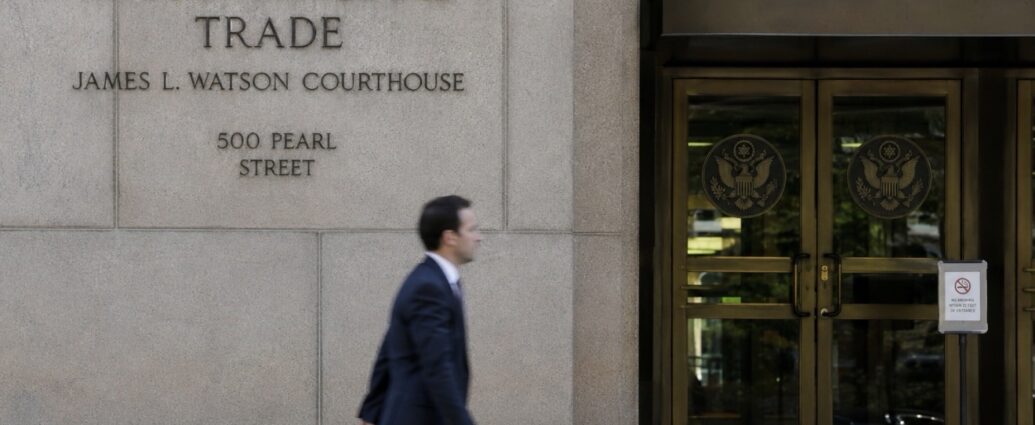
The Court of International Trade ruled at approximately 5:03 p.m. ET on Thursday, May 7, 2026, that President Donald Trump’s sweeping 10% global tariffs were unlawful, delivering a major legal setback to the administration’s trade agenda and injecting fresh uncertainty into U.S. business, supply chains, and financial markets.
In a 2-1 decision, a three-judge panel of the U.S. Court of International Trade in New York ruled that the across-the-board duties exceeded presidential authority under federal law, declaring the tariffs “invalid” and “unauthorized by law.” The judges sided with a coalition of small businesses that argued the administration improperly used emergency trade powers to impose broad import duties on goods entering the United States.
The ruling immediately raises questions for retailers, manufacturers, importers, logistics firms, and industries heavily dependent on globally sourced goods.
Court Rejects Administration’s Legal Argument
The tariffs, which took effect February 24, were imposed under Section 122 of the Trade Act of 1974, a law allowing temporary duties of up to 150 days to address serious balance-of-payments problems or prevent a major depreciation of the U.S. dollar.
The Trump administration argued that America’s roughly $1.2 trillion goods trade deficit and current account imbalance justified the emergency action.
The court majority rejected that argument, ruling the law was not intended to support sweeping global tariffs of this scale.
The decision follows an earlier Supreme Court ruling this year striking down broader Trump tariffs imposed under the International Emergency Economic Powers Act, or IEEPA. Thursday’s case centered on claims by small businesses that the February tariffs were effectively an attempt to work around that earlier Supreme Court decision.
A dissenting judge argued the president should retain broader discretion in trade matters, signaling the legal battle is likely far from over.
Immediate Impact on Businesses
The response from the business community was immediate.
“This decision is an important win for American companies that rely on global manufacturing to deliver safe and affordable products,” said Jay Foreman, CEO of toy company Basic Fun!, one of the businesses challenging the tariffs. “Unlawful tariffs make it harder for businesses like ours to compete and grow.”
For thousands of businesses, the ruling could eventually provide relief from import costs that have pressured margins for months. Retailers, wholesalers, electronics firms, apparel companies, and consumer goods manufacturers were among the sectors most affected by the tariffs.
Larger corporations that already shifted supply chains or renegotiated sourcing contracts now face a more complicated calculation as they weigh whether to reverse those costly moves or wait for additional legal clarity.
Markets and Investors Watching Closely
The decision also carries major implications for Wall Street.
Investors have increasingly viewed tariffs as a contributor to inflation, particularly during a period already strained by elevated oil prices, supply-chain volatility, and geopolitical tensions tied to the Iran conflict.
If the ruling ultimately survives appeal, it could reduce cost pressures across several industries and improve margins for import-heavy businesses. Retail, transportation, manufacturing, and logistics companies could all benefit from lower import expenses over time.
At the same time, the ruling creates new uncertainty around future U.S. trade policy heading deeper into the election cycle, particularly for industries that benefited from tariff protections.
Appeal Expected
The administration is widely expected to appeal the decision to the U.S. Court of Appeals for the Federal Circuit, with the case potentially returning to the Supreme Court.
That means the legal uncertainty may continue for months.
For businesses, the challenge now becomes deciding whether to immediately adjust purchasing and sourcing strategies or continue operating under the assumption that some form of the tariffs could eventually return.
The ruling marks the second major judicial setback for Trump’s tariff strategy this year and significantly narrows the legal tools available to impose broad unilateral trade barriers without congressional approval.
For corporate America, investors, and global trade partners, the case may ultimately redefine the balance of power between the White House and Congress on trade policy for years to come.
© JBizNews.com | By JBizNews Desk