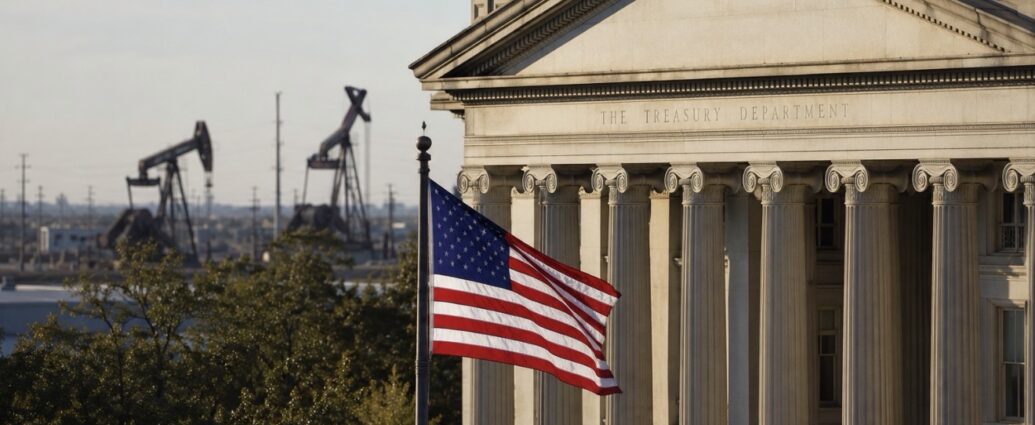
Treasury bonds rallied this week and oil tumbled to its lowest level in three months, as investors positioned ahead of a Federal Reserve interest-rate decision due Wednesday — the first under new Chairman Kevin Warsh. The yield on the 10-year Treasury note eased to about 4.46%, while the 2-year yield, the one most tied to Fed policy, slipped to roughly 4.05%. When bond prices rise, yields fall, so the move signals investors buying government debt.
The bigger driver behind the calm was crude oil. In the latest session, West Texas Intermediate crude settled down 5.6% at $76.61 a barrel, and Brent, the global benchmark, fell below $80. Both have dropped sharply as tensions in the Persian Gulf cool following the U.S.-Iran agreement, unwinding the price spike that followed the war. Cheaper oil eases one of the main worries hanging over the bond market — that high energy costs would keep inflation elevated and force the Fed to stay tough.
That brings the focus to Wednesday. The Federal Open Market Committee, the Fed’s rate-setting panel, wrapped a two-day meeting that markets expect to end with no change. Rates are widely seen holding in the current range of 3.50% to 3.75%, where they have sat since the Fed paused in January. The real event is not the rate itself but what comes with it: Warsh’s first press conference as chairman and the Fed’s updated economic projections, which show where officials think rates are headed.
Those projections matter because the Fed is caught between two pressures. Inflation is still running above its 2% goal, and the energy spike from the Iran conflict pushed it higher this spring. At the same time, oil is now falling fast, which could pull inflation back down on its own. Investors want to know whether Warsh leans toward holding steady, signals possible cuts later in the year, or keeps the door open to a hike if prices prove sticky.
In commodities, the slide in oil was the standout, but it was not the whole picture. Gold edged up 0.5% to about $4,331 an ounce, supported by the dip in bond yields. Lower yields tend to make gold more attractive because the metal pays no interest, so it competes better when returns on safer assets shrink.
Stocks were quieter. The S&P 500 rallied earlier in the week but paused as the Fed meeting approached, with traders unwilling to make big bets before the decision. Overseas, Japan’s Nikkei 225 pushed toward the 70,000 milestone for the first time, helped by steady bond yields at home. Across global markets, investors appeared content to wait for the Fed’s decision before making major new bets.
For everyday Americans, the combination of falling oil and a cautious Fed lands close to home. Cheaper crude usually means lower prices at the gas pump within a few weeks, easing one of the most visible costs families face. Lower Treasury yields also ripple into mortgage rates, car loans, and credit-card costs, since those borrowing rates often track the 10-year note. If yields keep drifting down, the cost of financing a home or a car could ease modestly in the months ahead.
Businesses are watching the same signals from a different angle. Companies that depend on fuel — airlines, trucking firms, delivery operators, and manufacturers — get immediate relief when oil drops, and that can help hold down the prices they charge. Firms planning to borrow or expand also care deeply about where the Fed steers rates, because cheaper credit makes it easier to invest and hire. A clear message from Warsh about the path ahead would help businesses plan with more confidence.
The risk is that the relief proves short-lived. Oil markets can reverse quickly if the Iran truce wobbles or the Strait of Hormuz comes back into question, and inflation has not yet returned to the Fed’s target. A single hot data point could swing expectations back toward higher rates, just as a jobs report did earlier this spring.
For now, the setup is a friendly one: bonds firmer, oil softer, and a central bank widely expected to hold its ground. The decision and the projections that land Wednesday will tell investors whether that calm has staying power or whether it is just a pause before the next move.
Wall Street – JBizNews Desk
© JBizNews.com All Rights Reserved. Reproduction or distribution without written permission is prohibited.