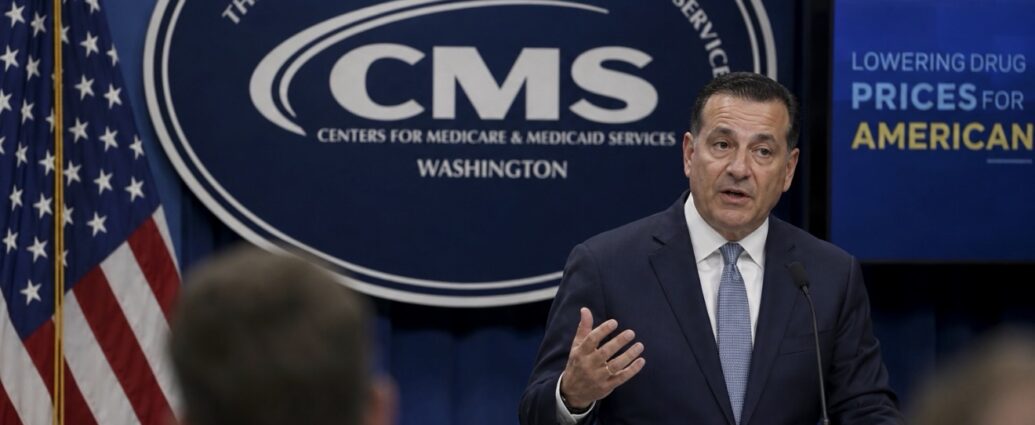
The Trump administration moved Friday, June 12, 2026, to close a loophole that allows pharmaceutical companies to avoid Medicare drug price negotiations by making limited changes to existing medicines.
In a proposed annual rule, the Centers for Medicare & Medicaid Services (CMS) outlined a policy aimed at drugmakers that add active ingredients to an existing medication in order to keep it off Medicare’s negotiation list. The proposal also establishes the framework CMS will use to select the next 20 drugs and biologics for negotiation, with that list scheduled to be released by February 1, 2027, and negotiated prices taking effect in 2029.
For the pharmaceutical industry, the proposal could affect billions of dollars in future revenue. For seniors and taxpayers, it could expand savings under Medicare’s drug pricing program.
How the Loophole Works
Under the Medicare negotiation program, the government identifies the medicines that cost Medicare the most money and negotiates directly with manufacturers over pricing.
However, some companies have been able to avoid selection by reformulating existing products. By combining an original active ingredient with another ingredient, the revised product can sometimes qualify as a different medicine under current rules, even though the core drug remains largely unchanged.
Critics argue that the strategy allows manufacturers to delay negotiations and continue charging higher prices for years longer than intended.
In simple terms, Medicare may target a high-cost drug for negotiation, only to find that the manufacturer has introduced a slightly modified version that falls outside the program’s eligibility requirements.
Not a New Concern
Federal officials examined a similar policy last year but ultimately delayed implementation while conducting further review.
The issue is returning now because the upcoming selection cycle is the first that CMS must administer through a formal rulemaking process rather than informal agency guidance.
CMS previously indicated that combination and reformulated products would likely be addressed during this stage of the program’s development.
Why Timing Matters
The timing rules built into Medicare’s negotiation program create a significant incentive for manufacturers to keep products out of the system.
Current law generally requires Medicare to wait:
- 7 years after approval for certain drugs
- Up to 11 years for biologic medicines
before becoming eligible for negotiation.
Biologics — complex medicines often administered through injections or infusions — receive longer protection periods than traditional oral medications.
That extended timeline creates opportunities for manufacturers to introduce updated versions of existing products and potentially extend the period before Medicare can negotiate lower prices.
Drug Industry Pushback
Drugmakers argue the proposal could discourage legitimate innovation.
The industry maintains that improvements to existing medicines often provide meaningful benefits for patients and should not automatically be treated as the same product for negotiation purposes.
Manufacturers contend that applying negotiated prices to reformulated drugs could reduce incentives to invest in better versions of existing therapies.
The administration sees the issue differently.
Federal officials argue the proposal is designed to preserve the integrity of the negotiation program and prevent companies from using technical product changes solely to avoid government price negotiations.
Potential Savings for Medicare
The Medicare drug negotiation program was created under the Inflation Reduction Act of 2022 during the administration of President Joe Biden and has continued under President Donald Trump.
According to CMS, the first round of negotiations reduced prices on 10 medications by approximately 38% to 79%, generating an estimated $6 billion in annual savings.
A second round involving 15 additional drugs produced discounts reaching into the mid-80% range.
Closing the reformulation loophole could bring additional medicines into the program and potentially increase future savings for both Medicare and taxpayers.
Expansion Beyond Traditional Prescriptions
The program now extends beyond pharmacy-counter prescriptions.
Under CMS Administrator Dr. Mehmet Oz, Medicare’s negotiation authority also covers certain physician-administered medications reimbursed through Medicare Part B.
That expansion is significant because many of the highest-cost biologic treatments administered in medical settings are precisely the types of products most likely to be marketed in combination or reformulated forms.
Legal Challenges Likely Ahead
For now, the proposal remains just that — a proposal.
CMS will accept public comments before issuing a final rule.
The pharmaceutical industry has aggressively challenged Medicare’s negotiation program in federal court since its creation, and any final rule that closes the reformulation loophole is expected to face additional legal scrutiny and potential lawsuits.
The next major milestone will come with CMS’s selection of the next 20 drugs eligible for negotiation, a process that could become even more consequential if the administration succeeds in tightening the rules around reformulated medicines.
JBizNews Desk — Washington
© JBizNews.com All Rights Reserved. Reproduction or distribution without written permission is prohibited.