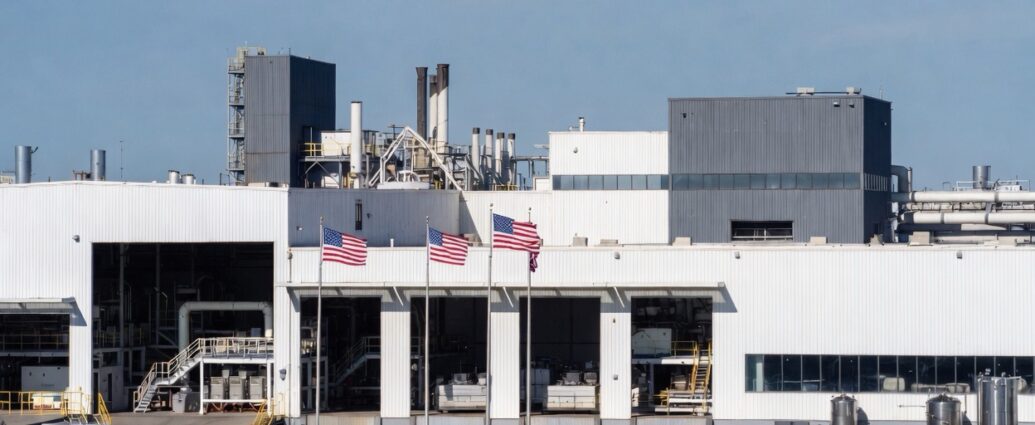
The Trump administration on Monday moved to impose a new round of tariffs on imported pharmaceutical products, marking one of the most aggressive steps yet to pressure drugmakers to relocate manufacturing operations to the United States, according to senior administration officials familiar with the policy. President Donald Trump said at a White House briefing the move is designed to end what he called “dangerous dependence” on foreign drug supply chains, particularly from China and India, which together account for a significant share of active pharmaceutical ingredient (API) production used by U.S. manufacturers.
Commerce Secretary Howard Lutnick said the tariffs will apply to a range of finished drugs and key ingredients, with rollout expected in phases over the coming months. “The United States cannot remain reliant on overseas production for critical medicines,” Lutnick said in a statement issued by the Department of Commerce. “This is about national security, supply chain resilience, and restoring high-value manufacturing jobs.” The department pointed to lessons from COVID-era shortages, when overseas disruptions exposed vulnerabilities in essential drug supplies.
The action is being structured under authorities similar to Section 232 of the Trade Expansion Act, which allows tariffs on imports deemed a national security risk. U.S. Trade Representative Jamieson Greer said the administration is aligning trade policy with industrial strategy. “We are sending a clear message to global manufacturers: access to the U.S. market comes with expectations around supply chain security,” Greer said during a policy briefing, according to an official transcript released by the Office of the USTR.
Industry groups pushed back, warning the policy could raise costs and strain already fragile supply chains. Stephen J. Ubl, President and CEO of the Pharmaceutical Research and Manufacturers of America (PhRMA), said “while strengthening domestic manufacturing is a shared goal, tariffs risk increasing costs for patients and could lead to unintended supply disruptions.” PhRMA has consistently advocated for tax incentives and regulatory streamlining as more effective tools to drive U.S.-based production.
Health policy experts say the impact may be most acute in the generic drug market. Dr. Marta Wosińska, Senior Fellow at the Brookings Institution and former FDA chief economist, noted that many generic manufacturers operate on razor-thin margins. “Even modest tariffs could push some suppliers out of the market, increasing the risk of shortages,” she said in a recent Brookings analysis, emphasizing that domestic capacity cannot be scaled overnight.
The administration argues the long-term strategic benefits outweigh near-term disruption. National Security Advisor Robert O’Brien said the policy is part of a broader effort to secure critical industries. “We cannot afford to rely on geopolitical competitors for lifesaving medications,” O’Brien said in a televised interview. “This is about ensuring supply continuity in times of crisis.”
Data from the U.S. Food and Drug Administration (FDA) shows a large share of APIs used in U.S. drugs are manufactured abroad, with China and India dominating production. The agency has repeatedly highlighted challenges in monitoring overseas facilities, reinforcing concerns among lawmakers about quality control and supply chain concentration risks.
On Capitol Hill, reaction has split along strategic and economic lines. Sen. Marco Rubio (R-Fla.) said in a statement that reshoring pharmaceutical manufacturing is “essential to America’s national and economic security.” Meanwhile, Sen. Ron Wyden (D-Ore.), Chairman of the Senate Finance Committee, warned that “any tariff policy must include safeguards to prevent higher prescription drug costs for American families,” according to remarks released by his office.
Major pharmaceutical companies including Pfizer, Merck, and Johnson & Johnson have already begun expanding U.S.-based manufacturing in recent years, though industry analysts note global supply chains remain deeply embedded overseas due to cost advantages and existing infrastructure.
What comes next will depend on execution. Analysts say the success of the policy will hinge on whether tariffs are paired with incentives, workforce investment, and regulatory reforms to make domestic production economically viable at scale. Without that, higher costs could ripple through insurers, hospitals, and ultimately consumers, even as supply chains adjust.
As the policy moves toward implementation, the global pharmaceutical industry is bracing for a significant realignment—one that could reshape where and how critical medicines are produced, with lasting implications for trade, healthcare costs, and national security.
— JBizNews Desk