The United States and Israel are preparing what would be among the heaviest bombing campaigns of the five-month war against Iran, with Iranian energy infrastructure on the target list and strikes possible across this weekend, according to multiple sources briefed on the planning. No final decision has been made.
Israeli officials have been notified and are coordinating with Washington. Planners discussed attempting to conclude the campaign before financial markets open Monday, on concern over the effect on the American and global economy, though no end point was set. That detail marks the first clear signal that market timing is being weighed inside the targeting decision itself — an acknowledgment that striking Iranian energy assets carries consequences Washington cannot fully contain.
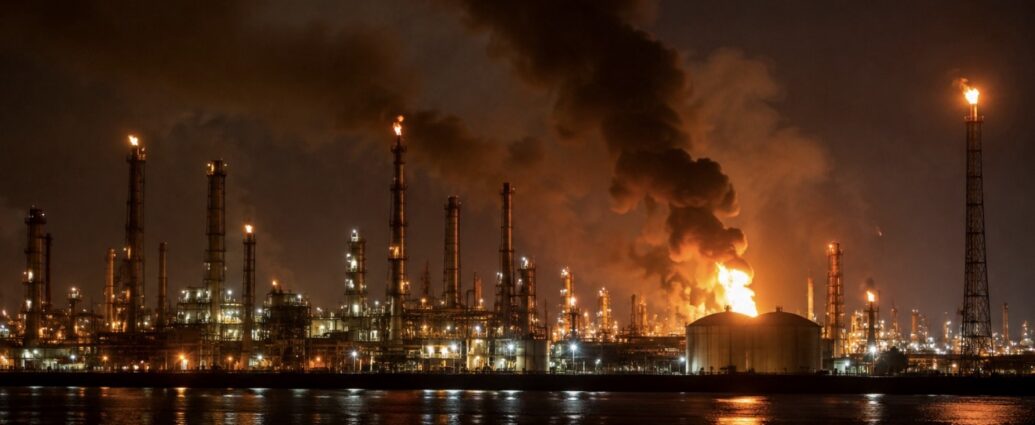
The reluctance has a specific logic. Iran’s retaliation has consistently traveled to the Gulf states hosting American forces rather than to American territory. Kuwait’s military said Saturday its forces were responding to Iranian drone attacks that struck a number of vital facilities, including a government building in the country’s north, with no casualties reported. Strikes on Iranian refineries and terminals invite reciprocal strikes on Gulf refineries and terminals — the infrastructure that clears a large share of the world’s crude.
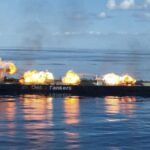
Shipping is already absorbing the pressure. The UK Maritime Trade Organization reported that an unknown projectile struck a tanker eleven nautical miles northeast of Lima, Oman, damaging its engine room, and that a large splash and explosion occurred near a second tanker off Khasab on Saturday. Vessels have been advised to transit with caution and report suspicious activity. Every such incident feeds directly into war-risk premiums and rerouting decisions for cargo owners who have spent five months rebuilding schedules around an unreliable Strait of Hormuz.
Regional partners are pushing back. President Trump spoke Saturday with Saudi Crown Prince Mohammed bin Salman, who reinforced Riyadh’s desire for de-escalation and raised concerns about the potential strikes. Mediators from Qatar and Pakistan have also been working to prevent a new escalation, including contacts with Iranian and American officials and U.S. envoy Steve Witkoff. One objective has been to reach an arrangement that would allow commercial shipping to resume moving safely through the Strait of Hormuz.
Several U.S. embassies in the region, including Amman, Jerusalem and Baghdad, issued security alerts Saturday citing heightened tensions and advised Americans to prepare for flight cancellations, periodic airspace closures and travel disruptions. For businesses with employees, supply chains or cargo in the region, those warnings are the clearest indication that operational risks remain elevated.
Supporters of striking Iran’s energy sector argue it would weaken Tehran’s ability to finance the war and sustain government operations. Critics counter that any attack on Iranian oil and gas infrastructure could quickly trigger retaliation against Gulf energy facilities, disrupting global oil supplies and pushing fuel prices higher worldwide.
Five months after the war began on February 28, the conflict has yet to produce a lasting diplomatic solution. Instead, attention has shifted to whether the next phase of the war will target the infrastructure that powers both Iran’s economy and a significant share of the world’s energy market.
JBizNews Desk | New York
© JBizNews.com All Rights Reserved. Reproduction or distribution without written permission is prohibited.