A growing number of voters in both the United States and Israel appear dissatisfied with the outcome of the war against Iran, according to newly released polling that suggests the political and economic consequences of the conflict are continuing to shape public opinion.
A Rasmussen Reports survey released Wednesday found that 48% of likely U.S. voters consider the war that began in February unsuccessful, including 27% who described it as “not at all successful.” By comparison, 44% viewed the effort as successful. The survey also found that only 35% of respondents favored continuing military operations until the government in Tehran was removed from power.
Economic concerns appear closely tied to those views. Since the conflict began on February 28 under the codename Operation Epic Fury, gasoline prices have risen significantly, with the national average approaching $4 per gallon, according to data tracked by AAA. At the same time, inflation has accelerated. The Bureau of Labor Statistics reported consumer prices up 3.8% year-over-year in its most recent reading, the highest annual pace since 2023, driven largely by energy costs.
Consumers have also faced higher grocery prices and increased household expenses. Recent labor data showed that average hourly earnings, after adjusting for inflation, have declined, adding pressure to household budgets. For many voters, the debate over the war has become intertwined with concerns about everyday living costs.
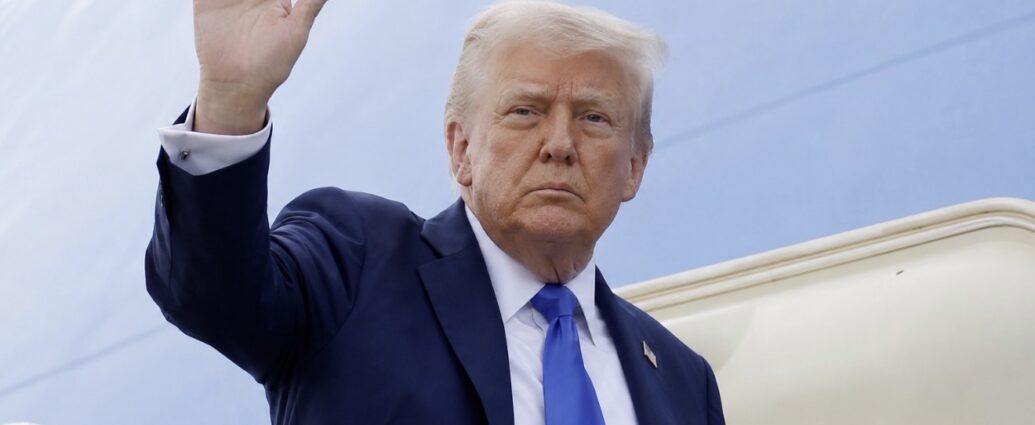
Those concerns are reflected in President Donald Trump’s approval ratings. A Reuters/Ipsos poll conducted June 3–8 found Trump’s overall approval rating at 35%, among the lowest levels of his second term. The survey found 29% approval for his handling of Iran and 22% approval for his handling of the cost of living. Meanwhile, the Economist/YouGov tracker recorded a net approval rating of negative 25 points, with particularly weak marks on inflation and consumer prices.
Several analysts have noted that economic management has traditionally been one of Trump’s strongest political issues. Rising inflation and higher energy costs have complicated that advantage, placing greater focus on voters’ financial concerns heading into the election season.
The political challenges extend beyond the United States. In Israel, a poll conducted for public broadcaster Kan found significant skepticism toward the U.S.-brokered agreement that ended active hostilities. Among the 555 Israelis surveyed, 18% supported the agreement while 55% opposed it. The poll also found that 70% remain concerned about the Iranian threat despite the joint U.S.-Israeli military campaign.
Views of Trump among Israeli respondents were more mixed. Approximately 40% described him as a strong friend of Israel, while 32% said they believe his approach toward the country may be changing.
A key issue moving forward is the impact of the agreement on global energy markets. The arrangement includes the reopening of the Strait of Hormuz, a critical shipping corridor through which roughly one-fifth of global oil supplies pass. The deal also provides temporary relief on some restrictions affecting Iranian oil exports.
Energy analysts say increased oil supplies could eventually help reduce fuel prices, although several experts have cautioned that supply chains and inventories may take considerable time to normalize. As a result, any meaningful reduction in energy costs may not be immediate.
The economic effects of the conflict have also been felt by businesses. Appliance manufacturer Whirlpool, parent company of KitchenAid and Maytag, recently reported declining sales and cited weakening consumer demand. Meanwhile, the Federal Reserve, under Chairman Kevin Warsh, has kept interest rates unchanged, citing ongoing inflation concerns and uncertainty surrounding energy prices.
The months ahead could prove critical politically. With the midterm elections approaching, public opinion surveys suggest that voters remain highly focused on inflation, fuel prices, and overall economic conditions. Whether lower energy prices emerge quickly enough to ease those concerns may play a significant role in shaping both voter sentiment and market expectations.
JBizNews Desk
Washington
© JBizNews.com All Rights Reserved. Reproduction or distribution without written permission is prohibited.