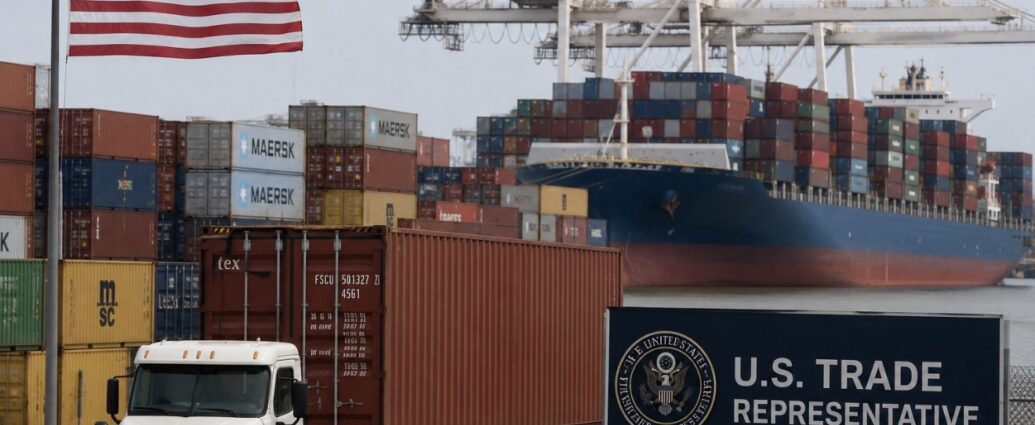
WASHINGTON, Thursday, July 23, 2026 — If your business imports products from overseas—or if you own a store, manufacture goods, or simply buy everyday products—today’s trade decision could eventually affect your costs. The Office of the U.S. Trade Representative (USTR) announced new tariffs on imports from 60 major trading partners after completing a months-long investigation into whether those countries failed to stop goods made with forced labor from entering global supply chains. The new duties replace the temporary worldwide tariff program that expires Friday.
For most readers, the obvious question is: What changed today?
Until now, many businesses had been operating under temporary global tariffs. Beginning Friday, those tariffs are being replaced with a new system built under Section 301 of the Trade Act of 1974, giving the administration a new legal foundation after earlier tariffs faced court challenges. Countries that have adopted or agreed to enforce bans on forced-labor imports generally will face a 10% tariff, while those that have not will generally face 12.5%. The program covers America’s 60 largest trading partners, representing more than 99% of U.S. imports.
For business owners, this is more than another Washington policy announcement.
If your company imports inventory, machinery, components, electronics, clothing, furniture, building materials or thousands of other products from overseas, your landed costs could increase depending on where those goods originate. Some businesses may absorb those higher costs, while others may renegotiate supplier contracts, shift production to different countries, or eventually raise prices.
Consumers may not notice changes immediately.
Many retailers already have inventory sitting in U.S. warehouses, and companies often spread higher costs across multiple product lines instead of raising prices overnight. But if manufacturers cannot find alternative suppliers or absorb the additional expense, some imported goods could gradually become more expensive over the coming months.
The administration says the objective extends beyond tariffs themselves.
USTR concluded that many trading partners failed to adequately prohibit or enforce bans on imports produced with forced labor, creating what it describes as both a human-rights concern and an unfair competitive advantage over American workers and manufacturers. The investigation included public hearings, consultations with dozens of governments and thousands of public comments before today’s final action.
Not every product will be affected.
The administration exempted several categories, including products already covered by national-security tariffs, certain raw materials, informational materials, donations, accompanied baggage and selected goods where imposing tariffs could disrupt domestic supply or broader economic activity.
Today’s announcement also sends a message to America’s trading partners.
Countries that strengthen their forced-labor enforcement laws and demonstrate meaningful compliance could qualify for the lower tariff rate or other favorable treatment in the future. In other words, the tariffs are intended not only to generate trade pressure but also to encourage governments to tighten labor enforcement and improve supply-chain transparency.
For importers, the next few days will matter just as much as today’s announcement.
Companies are now waiting for implementation guidance from USTR and U.S. Customs and Border Protection detailing exactly which products are covered, when the duties become effective, how exemptions will work, and what documentation businesses will need to remain compliant.
For many American businesses, today’s decision marks another reminder that global sourcing strategies are becoming as important as pricing strategies. Where products are made—and how they are made—is increasingly becoming a competitive business issue rather than simply a purchasing decision.
JBizNews Desk | Wall Street
© JBizNews.com All Rights Reserved. Reproduction or distribution without written permission is prohibited.