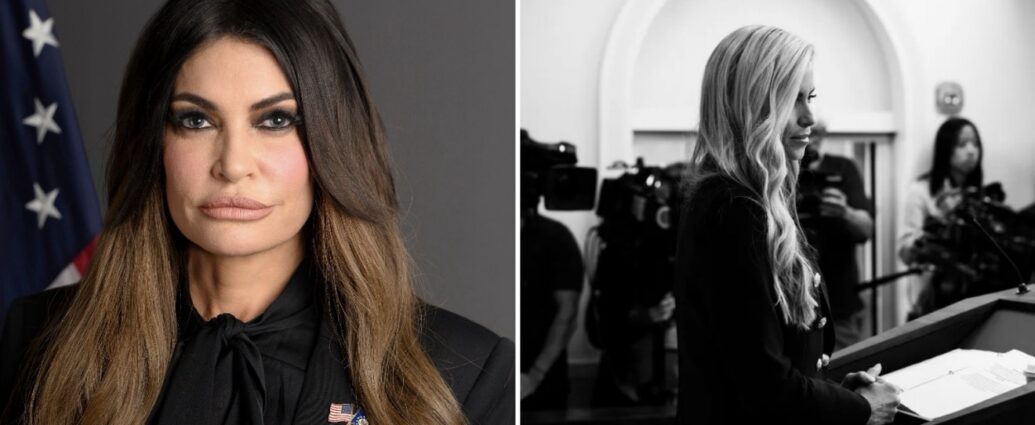
WASHINGTON — With fewer than three weeks until the November 3 midterm elections, the Trump administration is facing two high-profile personnel controversies that are raising questions about the qualifications, vetting and judgment behind key appointments.
On Tuesday, Kimberly Guilfoyle resigned as U.S. ambassador to Greece after the White House requested her departure amid allegations of improper conduct. That same morning, newly appointed White House press secretary Katie Zacharia delivered a troubled 14-minute debut that immediately drew scrutiny over her preparation and professional credentials.
The timing places two separate personnel decisions under a national spotlight at a particularly sensitive moment for the administration.
Ambassador’s Departure Raises Vetting Questions
Guilfoyle, a former Fox News personality and California prosecutor who was previously engaged to Donald Trump Jr., was asked to resign following allegations involving improper gifts, financial requests and possible misuse of diplomatic influence.
Among the allegations was a reported request for $100,000 from a political donor to help cover a personal American Express bill.
Guilfoyle denies wrongdoing. The State Department’s inspector general has reportedly begun examining the allegations.
The controversy nevertheless raises questions about how personal relationships, political loyalty and professional qualifications are weighed when filling senior diplomatic positions.
New Press Secretary Faces Immediate Scrutiny
Hours after Guilfoyle’s departure became public, Zacharia’s first White House briefing created another round of unfavorable headlines.
The new press secretary relied heavily on written remarks, answered questions from only three media outlets and ended the briefing after approximately 14 minutes.
Her appearance also brought attention to her legal credentials. Although President Trump had described Zacharia as an attorney, reporting found no confirmed record of her admission to practice law in the United States.
Zacharia holds a law degree from Pepperdine University and has worked in communications and conservative media. The White House praised her first briefing, and Trump defended her performance.
But questions about her preparation were compounded by reports that she had been given less than 24 hours to prepare.
Two Controversies, One Larger Question
The Guilfoyle and Zacharia controversies involve different circumstances and should not be treated as equivalent. One concerns allegations of misconduct during a diplomatic appointment; the other concerns the preparation and credentials of a newly appointed spokesperson.
Yet both have placed the administration’s selection process under scrutiny.
Were candidates chosen primarily for their demonstrated ability to perform demanding public responsibilities, or did personal relationships and political loyalty receive greater weight?
Neither controversy, by itself, establishes favoritism as the reason for an appointment. But the simultaneous questions about credentials, preparation and conduct create an opening for broader examination of White House personnel decisions.
A Sensitive Moment Before the Elections
With the midterms approaching, the administration faces serious domestic and international issues requiring experienced leadership and clear communication.
Instead, two senior appointments have become subjects of controversy within the same news cycle.
The political consequences remain uncertain. But the personnel questions are immediate: How thoroughly were these appointments vetted, what standards were applied, and who was responsible for ensuring the appointees were prepared for their responsibilities?
Those are questions the White House will need to address as scrutiny intensifies ahead of November 3.
JBizNews Desk | Washington, D.C.
© 2026 JBizNews. All Rights Reserved.