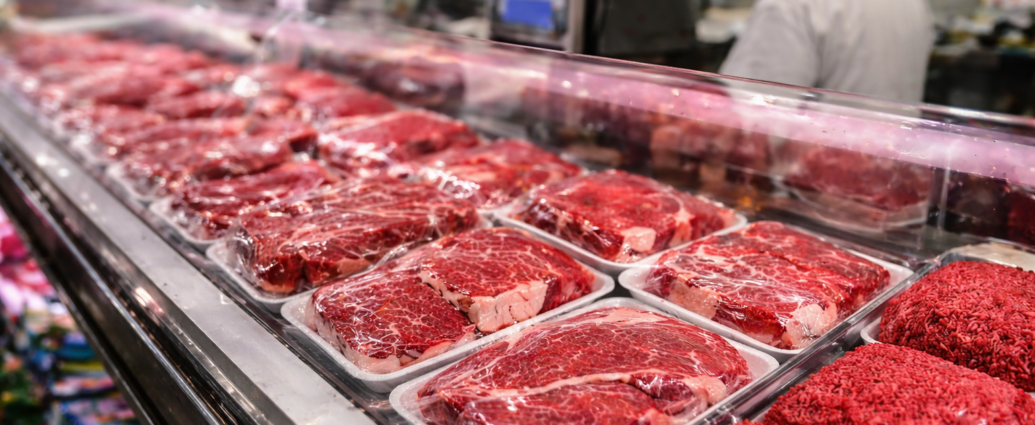
WASHINGTON — U.S. beef prices have climbed to record highs heading into the peak summer grilling season, driven by tight cattle supplies, persistent drought impacts, and steady consumer demand, according to data released April 2026 by the U.S. Department of Agriculture (USDA).
Retail beef prices, including ground beef and steaks, have surged in recent weeks, with the USDA reporting average retail beef prices reaching all-time highs in April, as ranchers continue to operate with historically low herd sizes. “Beef production is tightening due to reduced cattle inventories,” the USDA said in its latest livestock outlook, noting that supply constraints are expected to persist through 2026.
The underlying issue stems from years of herd liquidation tied to drought conditions across key cattle-producing states. The USDA’s National Agricultural Statistics Service (NASS) reported in its January 31, 2026 Cattle Inventory Report that the U.S. cattle herd fell to its lowest level since 1951. “Producers have been reducing herd sizes due to high feed costs and limited pasture availability,” said Seth Meyer, Chief Economist at the USDA, during an April briefing, adding that rebuilding herds “will take time and sustained favorable conditions.”
Wholesale markets are reflecting the same pressure. Choice beef cutout prices, a key industry benchmark, have climbed sharply in recent weeks, according to USDA Agricultural Marketing Service data released mid-April 2026. “We’re seeing strong wholesale pricing as supplies remain constrained ahead of seasonal demand,” said Derrell Peel, Livestock Marketing Specialist at Oklahoma State University, in commentary published April 15.
Demand, however, has remained resilient despite higher prices. Consumers continue to spend on beef products, particularly ahead of summer holidays like Memorial Day and the Fourth of July. “Beef demand has held up better than expected, even at elevated price levels,” said David Anderson, Professor and Extension Economist at Texas A&M University, in an April 16 market note, pointing to steady retail movement and restaurant demand.
At the same time, broader inflation dynamics are compounding the issue. Higher transportation, labor, and feed costs are feeding into final retail prices. The Bureau of Labor Statistics (BLS) reported in its April 2026 Consumer Price Index release that meat prices, including beef, remain a significant contributor to food-at-home inflation. “Food inflation continues to reflect supply-side pressures, particularly in protein categories,” BLS economists noted in the report.
Looking ahead, analysts expect prices to remain elevated in the near term, with only gradual relief. “We’re likely to see tight supplies continue into 2027 unless we get a meaningful expansion in the cattle herd,” said Michael Swanson, Chief Agricultural Economist at Wells Fargo, in an April 2026 outlook, adding that weather conditions will play a critical role in determining how quickly producers can rebuild.
For consumers, that means higher costs at the grocery store and the grill this summer, as structural supply constraints continue to collide with seasonal demand—keeping beef prices at historically elevated levels.
—JBizNews Desk