The United States has imposed sanctions on one of China’s largest independent refineries for purchasing billions of dollars’ worth of Iranian crude and petroleum products. The U.S. Department of the Treasury’s Office of Foreign Assets Control (OFAC) announced the measures on April 24, 2026, also targeting approximately 40 shipping firms and vessels operating as part of Iran’s notorious “shadow fleet.”
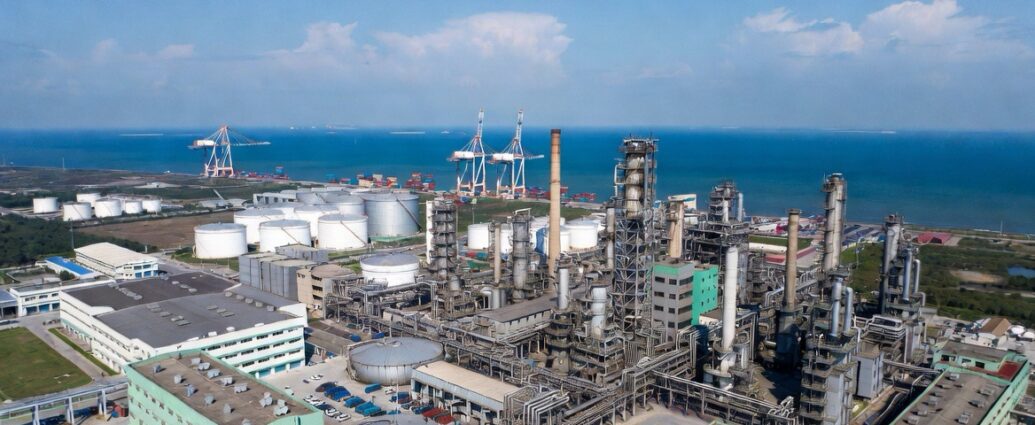
The primary target is Hengli Petrochemical (Dalian) Refinery Co., Ltd., widely known as one of China’s leading “teapot” refineries. These independent facilities have become major buyers of discounted Iranian oil, helping sustain Tehran’s revenue streams despite international pressure. Hengli Petrochemical (Dalian) Refinery Co., Ltd., China’s second-largest teapot refinery with a processing capacity of roughly 400,000 barrels per day, has reportedly purchased billions in Iranian petroleum since at least 2023.
According to the Treasury Department, Hengli Petrochemical (Dalian) Refinery Co., Ltd. received shipments from sanctioned shadow fleet vessels, including the BIG MAG, GALE, and ARES. These deliveries alone accounted for over five million barrels of Iranian crude. The refinery’s purchases have generated hundreds of millions of dollars in revenue that directly supports Iran’s armed forces and broader regional activities.
Treasury Secretary Scott Bessent described the sanctions as part of a broader effort to disrupt the financial lifelines keeping Iran’s regime afloat. “China-based independent oil refineries, colloquially known as ‘teapots,’ purchase the majority of Iran’s crude oil, providing a vital source of revenue to the Iranian regime and its armed forces,” the Treasury statement noted. The action comes even as indirect peace talks between Washington and Tehran continue through intermediaries in Pakistan.
The sanctions package extends far beyond the refinery itself. OFAC designated around 40 additional entities, including shipping companies and tankers that form the backbone of Iran’s shadow fleet. These vessels often obscure their origins, reroute through third countries like Malaysia, and use complex payment schemes — frequently in Chinese yuan — to evade U.S. financial restrictions. By targeting both the buyer and the transporters, Washington aims to choke off Iran’s ability to monetize its oil exports effectively.
This latest move fits into a pattern of increasing pressure on Chinese independent refiners. Previous sanctions have hit other teapots such as Hebei Xinhai and Shandong Shouguang Luqing. Hengli Petrochemical (Dalian) Refinery Co., Ltd.’s prominent role makes this designation particularly impactful. Located in the port city of Dalian, the facility benefits from direct access to imported crude and has expanded aggressively in recent years, becoming a key player in China’s domestic fuel market.
For global energy markets, the sanctions introduce fresh uncertainty. Oil prices have remained elevated amid ongoing tensions in the Strait of Hormuz and broader Middle East conflicts. If other Chinese teapots reduce their purchases or face higher compliance and insurance costs, global supply could tighten further in the short term. However, analysts note that China — Iran’s largest customer, historically importing 80-90% of its exported crude — has shown resilience by shifting to alternative payment methods and rerouting shipments.
The sanctions also highlight deepening U.S.-China frictions over energy and trade. Beijing has previously denounced similar measures as illegal and extraterritorial. For Hengli Petrochemical (Dalian) Refinery Co., Ltd., the immediate effects include blocked access to U.S. financial systems, potential asset freezes for any dollar-denominated holdings, and reputational damage that could complicate dealings with international partners.
Chinese teapot refineries thrive on discounted sanctioned crude because they operate with thinner margins and greater flexibility than national oil majors like Sinopec or CNPC. This business model has helped China secure affordable energy supplies while providing Iran with a critical economic lifeline. The U.S. strategy appears designed to raise the risk premium for such trades, forcing buyers to reconsider or pay significantly higher costs for evasion.
Since February 2025, OFAC has sanctioned over 1,000 Iran-related persons, vessels, and aircraft under the “Economic Fury” banner. The campaign seeks to limit Tehran’s revenue used for proxy militias, ballistic missile programs, and nuclear ambitions. This latest action demonstrates that even as diplomatic channels remain open, the Trump administration continues aggressive enforcement on the economic front.
Industry observers suggest the sanctions may accelerate a shift toward non-dollar settlement mechanisms in Asia. More deals could move entirely into yuan or other currencies, further diminishing U.S. leverage over global energy flows over time. For now, however, the designations add friction and costs to a trade that has proven remarkably durable.
JbizNews Desk