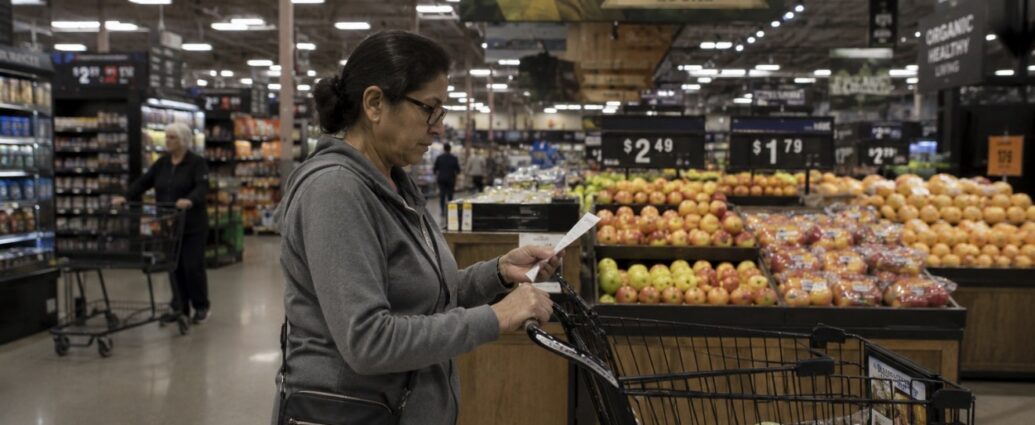
According to the U.S. Bureau of Labor Statistics, inflation cooled more than expected in June, providing businesses, consumers and financial markets with one of the strongest signs this year that price pressures may be easing. The Consumer Price Index (CPI) declined 0.4% on a seasonally adjusted basis during June while annual inflation slowed to 3.5%, down from 4.2% in May. The report, released Tuesday, July 14, immediately shifted expectations on Wall Street, with investors betting the Federal Reserve may have more flexibility on interest rates as inflation moves closer to its long-term target.
The June report represents an important milestone for the U.S. economy after businesses spent much of the past two years navigating elevated borrowing costs, rising wages, higher insurance premiums and persistent inflation. While prices remain well above pre-pandemic levels across many sectors, June’s data suggests inflationary pressures are continuing to moderate faster than many economists had anticipated.
According to the Bureau of Labor Statistics, the largest contributor to June’s improvement came from energy prices. The energy index declined 5.7% during the month, led by a sharp drop in gasoline prices that more than offset continued increases in several service categories. At the same time, core inflation, which excludes the more volatile food and energy categories and is closely monitored by the Federal Reserve, remained unchanged during June and slowed to 2.6% over the past twelve months.
For America’s business community, the report could have far-reaching implications beyond today’s market reaction.
Lower inflation reduces pressure on businesses facing higher operating expenses and could eventually translate into more favorable financing conditions. Companies that delayed expansion plans because of elevated borrowing costs may begin reassessing investments if inflation continues trending lower and interest rates stabilize. Small businesses, which have generally been more sensitive to higher financing costs than larger corporations, stand to benefit the most if credit conditions improve during the second half of the year.
Consumers could also see modest relief if the trend continues. Slower inflation generally improves purchasing power, allowing households to spend more freely on discretionary goods and services. That, in turn, benefits retailers, restaurants, travel companies and many other sectors dependent on consumer spending.
Financial markets welcomed the report almost immediately.
Major stock indexes advanced while U.S. Treasury yields moved lower as traders reduced expectations that the Federal Reserve would need to implement another interest-rate increase in the near future. Investors have spent much of this year closely watching every inflation report for clues about future monetary policy, making Tuesday’s release one of the most significant economic reports of the summer.
Even with the encouraging data, economists caution against assuming inflation has been fully defeated.
Housing costs continue to represent one of the largest contributors to overall consumer expenses, while many service-related prices remain elevated. In addition, renewed geopolitical uncertainty in the Middle East has already begun pushing energy prices higher again following June’s temporary decline. Any sustained increase in oil prices could quickly work its way through transportation, manufacturing, shipping and consumer goods, reversing some of the recent progress.
For the Federal Reserve, the report provides another encouraging data point but is unlikely to end its cautious approach. Policymakers have repeatedly stated they want greater confidence that inflation is moving sustainably toward their long-term 2% objective before making significant changes to monetary policy. Future employment reports, consumer spending data and additional inflation releases will all play an important role before the central bank’s next policy decisions.
For business leaders, however, the latest inflation numbers offer something that has been in short supply over the past several years—greater economic certainty. Companies making hiring decisions, capital investments and expansion plans generally benefit from a more stable pricing environment, allowing executives to forecast costs with greater confidence.
Attention now turns to corporate earnings season, where executives from some of America’s largest companies are expected to discuss consumer demand, pricing power and their outlook for the remainder of 2026. Those results, combined with upcoming inflation and employment reports, will help determine whether June marks the beginning of a sustained easing in inflation or simply a temporary pause in an otherwise uneven economic recovery.
JBizNews Desk | Washington
© JBizNews.com All Rights Reserved. Reproduction or distribution without written permission is prohibited.