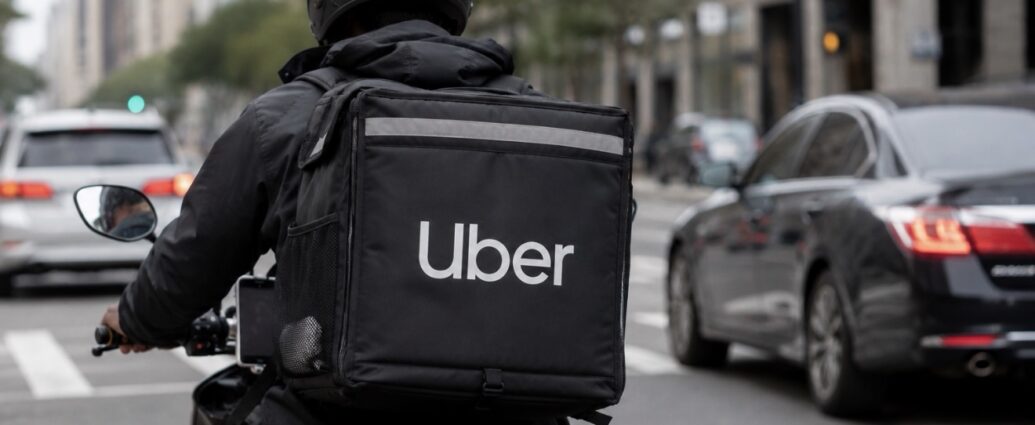
Uber’s constraint in Latin America is not demand for rides and deliveries. It is that the person who wants to do the driving cannot get a loan for the motorcycle. On Wednesday the company moved to fix that directly, taking an equity stake in Galgo, a Chilean firm that sells motorcycles and lends people the money to buy them.
The partnership launches first in Mexico and expands to Chile and Colombia in the first quarter of 2027. Financial terms were not disclosed. Co-founder and co-chief executive Sebastián Parot said in Santiago that the Uber deal is the largest single equity investment in Galgo’s history.
The structure matters more than the size. Uber is not making the loans. It is buying a piece of the lender, which keeps the credit risk off Uber’s own balance sheet while giving it a claim on the profits and a say in how the products are built. Under the arrangement, the two companies will design financing tailored specifically to Uber drivers and delivery couriers.
Galgo, based in Santiago, specializes in selling and financing motorcycles to mass-market buyers, including people with little access to conventional bank credit. Founded in 2018, it underwrites those customers using proprietary risk models fed by alternative data, running the entire process — application, approval and repayment — digitally. That underwriting capability is the actual asset here: banks in the region decline these borrowers not because they cannot repay but because there is no credit file to look at.
Uber can supply the missing file. A courier’s earnings history on the platform is a verified, continuous record of income, and pairing it with a lender that knows how to price risk turns an unbankable applicant into a bankable one. The loan buys the bike, the bike generates the deliveries, the deliveries service the loan.
Motorbikes account for a far larger share of the vehicle market in Latin America than in the United States or Europe, and for many gig workers across the region they are the cheapest route to earning through a ride-hailing or delivery app. In markets where a car is out of reach for most households, the motorcycle is the entry-level unit of economic participation.
Galgo’s numbers suggest a business scaling into that demand. Parot said the company is targeting $500 million in annualized revenue by 2030, up from roughly $100 million today. Chairman Diego Fleischmann said it is growing at about 50% a year and reached net-income break-even in the most recent quarter. Galgo has raised about $100 million to date, and said the Uber investment will also fund entry into another Latin American market early next year along with spending on technology, data and artificial intelligence.
For Uber, this fits a pattern rather than starting one. The investment marks the company’s latest expansion into vehicle lending, and it addresses the same bottleneck the company has worked at for years in other markets through rental and marketplace programs: drivers cannot drive without vehicles, and the platform grows only as fast as the fleet does.
The arrangement carries a structural risk worth naming. When the lender’s collateral is a motorcycle and the borrower’s income comes from the platform that owns a piece of the lender, all three exposures are correlated. A downturn in delivery volumes reduces courier earnings, which raises defaults, which leaves the lender repossessing motorcycles into a market where fewer people want them. Consumer credit in these markets also carries high rates, and borrowers with no other options are the ones least able to absorb a bad month. None of that makes the model unsound, but it means the underwriting has to be genuinely good rather than merely fast.
The timing arrives with Uber’s own shares under pressure. The stock has been trading near a 12-month low, and recently slipped even after the company posted higher profit and bookings. Investors have grown skeptical of paying a premium multiple for a business whose growth increasingly depends on markets where the average fare is a fraction of a U.S. ride.
That is precisely the argument for a deal like this one. Latin America delivers volume rather than margin per trip, and the way to make volume pay is to own more of the economics around it — the financing, the vehicle, the repayment stream — instead of only the commission on the delivery. Uber has bought a small position in the machinery that puts couriers on the road. Whether it eventually buys more of that machinery is the question the next few quarters will answer.
JBizNews Desk | San Francisco
© JBizNews.com All Rights Reserved. Reproduction or distribution without written permission is prohibited.