By Julia Parker – JBizNews Desk
United Parcel Service Inc. is seeing margin gains and cost savings from its decision to reduce lower-yielding business with Amazon.com Inc., Chief Financial Officer Brian Dykes said, reinforcing the carrier’s push to prioritize more profitable shipments over raw package volume. The shift affects large shippers, employees and investors as UPS retools its network for higher-return growth.
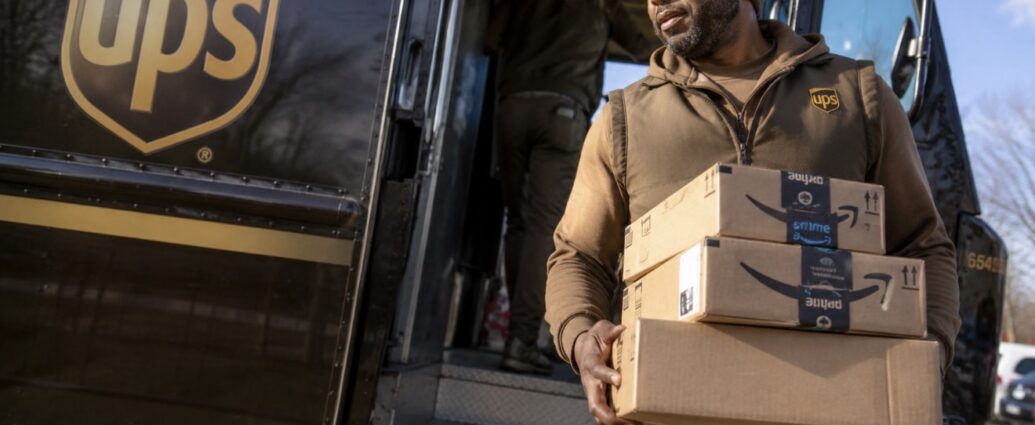
UPS has been scaling back Amazon-related volume as part of a broader plan to improve profitability in its U.S. package business. The company previously said it reached an agreement to reduce Amazon volume by more than 50% by the second half of 2026, a move that signaled a sharper focus on revenue quality, automation and network efficiency rather than simply filling delivery capacity.
The strategy matters because Amazon has long been UPS’s largest customer, but not its most lucrative. Chief Executive Carol Tomé told analysts earlier this year, “Amazon is our largest customer, but it’s not our most profitable customer.” That view has framed UPS’s recent operating decisions as the company tries to lift margins after several years of pressure from wage increases, softer parcel demand and excess industry capacity.
For investors, the Amazon pullback is a test of whether UPS can trade volume for profit without losing operating leverage. Fewer low-margin packages can reduce revenue in the near term, but management is betting that a leaner network, lower handling costs and more premium small-package business will improve earnings quality. The company has also been working to capture higher-value healthcare, small-business and international shipments, categories that can carry better pricing and service margins.
The decision comes after a period of uneven demand across the parcel sector. E-commerce growth has moderated from pandemic-era highs, while retailers and manufacturers have pushed carriers for lower rates. UPS has also faced higher labor costs following its Teamsters contract, making productivity gains and customer mix more important to profit targets.
The approach carries execution risk. Cutting back a major customer can leave gaps in package density, particularly in routes and facilities built around high volumes. Competitors could also use the transition to pursue Amazon-related business or pressure UPS on pricing with other large accounts. Management’s case depends on replacing less profitable work with shipments that generate stronger returns, not merely shrinking the network.
Business owners and logistics buyers should watch whether UPS’s focus on higher-value freight leads to firmer pricing, changes in service commitments or tighter capacity in key lanes. Investors will be looking for evidence in upcoming results that cost savings are flowing through to operating margin and that revenue declines tied to Amazon are being offset by more profitable customer growth.
JBizNews Desk | Demographic: business owners, executives, investors and financial professionals
© JBizNews.com All Rights Reserved. Reproduction or distribution without written permission is prohibited.