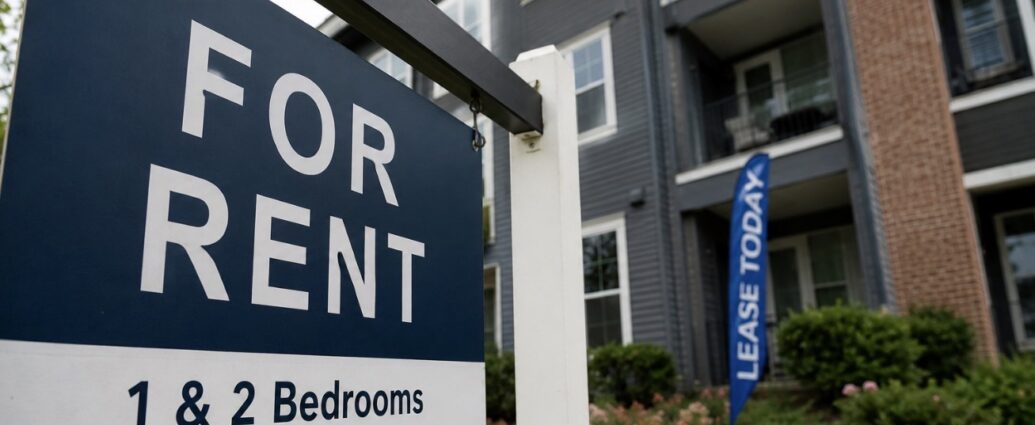
The typical asking rent in America slipped again last month, extending one of the longest stretches of falling rents on record, according to the Realtor.com May Rental Report released Tuesday.
The national median asking rent fell to $1,686 in May, down 1.5% from a year earlier. That marked the 34th consecutive month that rents on studio-to-two-bedroom homes came in below year-earlier levels — a streak that now stretches nearly three years and has quietly given renters their strongest negotiating position in a decade.
The reason is simple: supply and demand. A historic apartment construction boom flooded the market with new units, forcing landlords to compete harder for tenants. According to Apartment List, more than 600,000 multifamily units were delivered in 2024, the highest annual total since 1986. While construction has slowed since then, many of those buildings are still leasing up, keeping vacancies elevated and rent growth muted.
For renters who endured the sharp post-pandemic surge in housing costs, the shift has provided meaningful relief. Even so, rents remain well above pre-pandemic levels, meaning today’s renter-friendly environment is still significantly more expensive than the market of early 2020. The recent declines have softened the spike rather than erased it.
The biggest discounts remain concentrated in fast-growing Sun Belt markets that built aggressively. Austin and Phoenix continue to post some of the nation’s steepest rent declines as new supply outpaces demand. In those cities, renters often have greater success negotiating lower monthly payments, reduced fees, or move-in incentives.
The report also highlights differences beneath the national trend. Some markets are retaining existing residents while others are being shaped by migration patterns. Las Vegas, for example, has seen renters stay put as improving affordability provides value close to home.
Other markets are moving in the opposite direction. Previous Realtor.com reports identified cities including Virginia Beach, Baltimore, and Richmond as locations where vacancies are tightening and rents are beginning to climb again. In those areas, affordability pressures are returning despite the broader national decline.
Economists describe the current environment as two rental markets operating simultaneously. Jiayi Xu, an economist at Realtor.com, has noted that renters in high-construction markets are benefiting from significant relief, while tenants in supply-constrained regions are seeing costs move higher again. Chief Economist Danielle Hale has characterized the broader trend as evidence that increased housing supply is finally translating into savings for consumers.
Looking ahead, much depends on the construction pipeline. Fewer projects are breaking ground today than during the peak building surge, meaning the supply wave that has restrained rents will gradually diminish. Most housing analysts expect rents to remain relatively stable through 2026, but many caution that today’s favorable conditions may not persist indefinitely in every market.
For now, renters hold unusual leverage across much of the country. Elevated vacancies and longer leasing times are giving tenants more room to negotiate than they have enjoyed in years. In cities where rents are already rising again, however, the window for bargains may be closing faster than the national numbers suggest.
JBizNews Desk
Housing & Real Estate Desk
© JBizNews.com All Rights Reserved. Reproduction or distribution without written permission is prohibited.