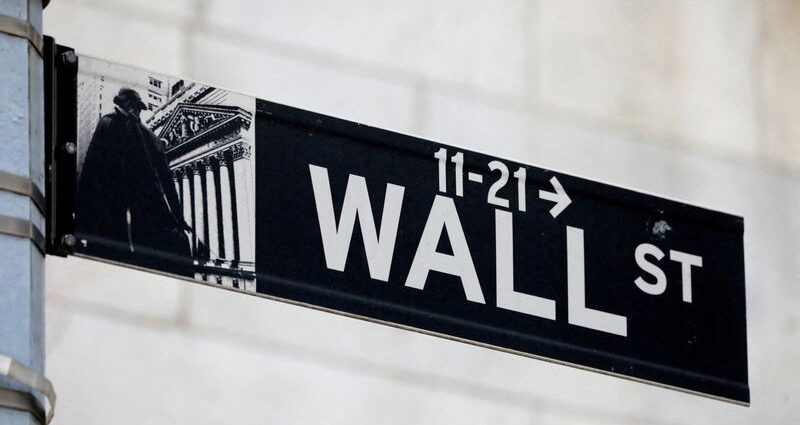
NEW YORK, July 23, 2026 — Wall Street closed sharply lower Thursday after investors were hit with two concerns at once: rising oil prices and growing questions about whether the technology industry’s massive investment in artificial intelligence will generate the returns markets have been expecting.
The Dow Jones Industrial Average fell 506.93 points (0.97%) to 51,711.65. The S&P 500 dropped 90.66 points (1.21%) to 7,408.30, while the Nasdaq Composite led the decline, losing 553.21 points (2.15%) to 25,137.69. It marked Wall Street’s weakest session in roughly a month.
The market’s biggest drag came from technology. Although Alphabet and Tesla remained profitable, investors focused less on earnings and more on the enormous amount of money both companies continue pouring into artificial intelligence. That shift reflects a broader change taking place on Wall Street. Investors are no longer rewarding AI spending simply because it is tied to artificial intelligence—they increasingly want proof those investments will generate meaningful returns.
At the same time, energy markets added another layer of uncertainty. Brent crude briefly climbed above $100 a barrel, fueled by renewed concerns over Middle East tensions and the potential impact on global oil supplies. Higher oil prices raise transportation and manufacturing costs and can eventually affect everything from airline tickets to groceries, while also complicating the Federal Reserve’s fight against inflation.
Bond yields also moved higher as investors adjusted expectations ahead of next week’s Federal Reserve meeting. Higher yields generally increase borrowing costs for businesses and consumers, adding pressure on stock valuations, particularly for fast-growing technology companies that depend on future earnings.
The day’s trading reflected more than a disappointing session for stocks.
It showed that investors are becoming more selective. Companies are expected not only to lead in artificial intelligence, but also to demonstrate that those investments can produce sustainable profits while navigating higher energy prices and a more expensive borrowing environment.
For businesses and consumers alike, those same forces influence the cost of capital, hiring decisions, investment plans and, ultimately, the broader economy.
JBizNews Desk | Wall Street
© JBizNews.com. All Rights Reserved. Reproduction or distribution without written permission is prohibited.