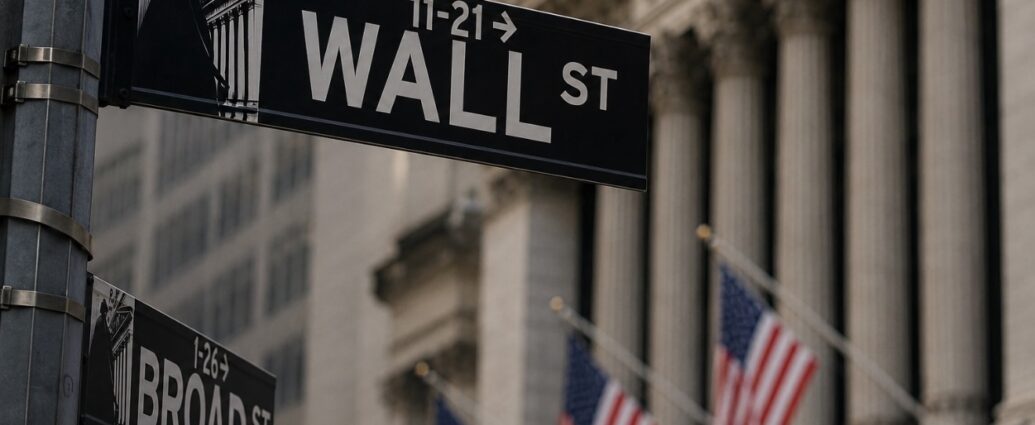
One of the oldest playbooks in global finance is having its best year in a generation, and the biggest banks are urging clients to keep leaning in.
The strategy in question is the carry trade—borrowing in a low-yielding currency and parking the money where interest rates are higher, pocketing the spread. The approach has returned roughly 12% in 2026, its strongest start in three years, as calmer markets encourage investors to reach for yield. That resilience has come even as the oil shock from the Iran war rattled the broader economy, with muted cross-asset volatility drawing traders into the trade.
The counterintuitive part is that a war-driven energy crisis has helped rather than hurt. Surging oil prices have strengthened commodity-linked currencies such as Brazil’s real and Colombia’s peso, popular destinations for carry cash, while a common version of the trade funds those positions by borrowing cheap Japanese yen.
Goldman Sachs has been among the loudest voices. The bank told clients that carry trades are seeing their most compelling backdrop in more than two decades, with strategist Stuart Jenkins writing that the setup matters more for Group-of-10 currencies than at almost any point since 2000. Goldman pointed to interest rates settling at high and widely varied levels across major developed economies, opening unusually wide yield gaps, while currency swings have dropped to historically subdued levels. Its preferred funding currencies for the months ahead are the yen, the Swiss franc and the euro.
A weakening yen is doing much of the heavy lifting. Goldman raised its dollar-yen forecast on July 6, and now expects the greenback to reach 162 yen within three months and 165 within a year—up from a prior target of 155—with the yen already near levels last seen roughly four decades ago. Japanese authorities intervened to the tune of more than 11 trillion yen between April and May, with limited success against the broader slide.
The scale of the market makes the call consequential. Carry is one of the most widely used strategies in a currency market that turns over about $9.5 trillion a day. Rising activity tends to spill into spot, forwards, options and the rates desks that price the funding leg.
There is a well-known catch. The same low-volatility calm that makes carry profitable can reverse violently if interest-rate expectations or risk sentiment shift, and crowded positioning becomes its own vulnerability when leverage builds. For now, with rate gaps wide and markets steady, the trade that periodically humbles Wall Street is once again its favorite.
JBizNews Desk | New York
© JBizNews.com All Rights Reserved. Reproduction or distribution without written permission is prohibited.