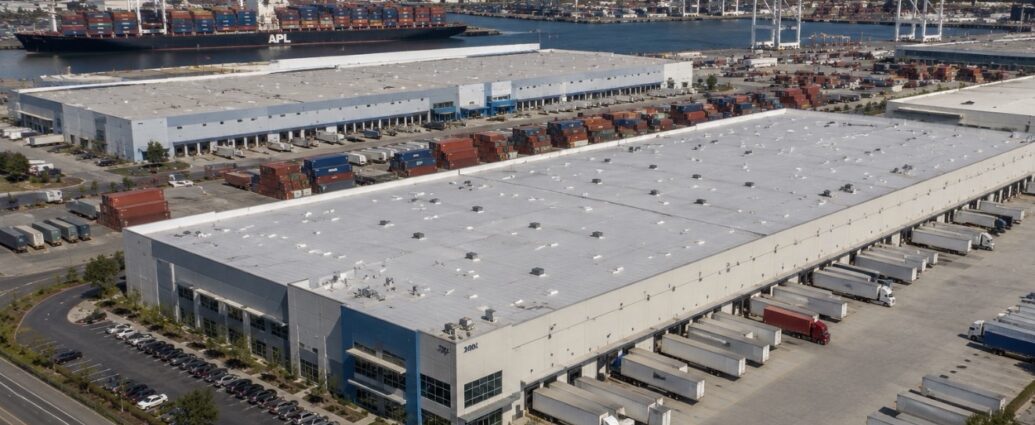
NEW YORK — Thursday, July 23, 2026: Demand for warehouse space near major U.S. ports remains resilient even as industrial construction slows, tightening vacancy rates in key logistics markets and supporting lease prices despite broader economic uncertainty. New commercial real estate data released this week points to continued strength in distribution hubs serving importers, manufacturers and e-commerce companies.
According to new market reports from CBRE and Cushman & Wakefield, developers have pulled back on speculative warehouse construction as higher financing costs and rising building expenses weigh on new projects. At the same time, tenant demand has remained relatively stable, particularly for modern distribution facilities located near ports, interstate highways and population centers.
The slowdown in new supply is beginning to rebalance the industrial real estate market after several years of record warehouse construction. While vacancy rates have edged higher in some inland markets where significant new inventory recently came online, logistics facilities surrounding major seaports continue to experience stronger occupancy as companies prioritize efficient supply chain operations.
Importers and retailers are increasingly seeking strategically located warehouse space to shorten delivery times and reduce transportation costs. Third-party logistics providers, food distributors and manufacturers also continue expanding regional distribution networks to improve inventory management and protect against future supply chain disruptions.
The industrial property sector remains one of commercial real estate’s strongest-performing asset classes. Unlike office buildings, warehouses continue benefiting from long-term structural trends including e-commerce growth, domestic manufacturing investment and supply chain diversification.
For investors, constrained new construction could provide additional support for rental growth over the coming year if demand remains stable. Developers, however, continue facing higher borrowing costs and increased insurance and labor expenses that have made many projects financially challenging to launch.
Market participants will monitor leasing activity, construction starts and port cargo volumes through the remainder of 2026. If industrial development continues slowing while demand remains healthy, warehouse owners near the nation’s largest ports could see tighter market conditions and continued pricing power into next year.
JBizNews Desk | Wall Street
© JBizNews.com All Rights Reserved. Reproduction or distribution without written permission is prohibited.