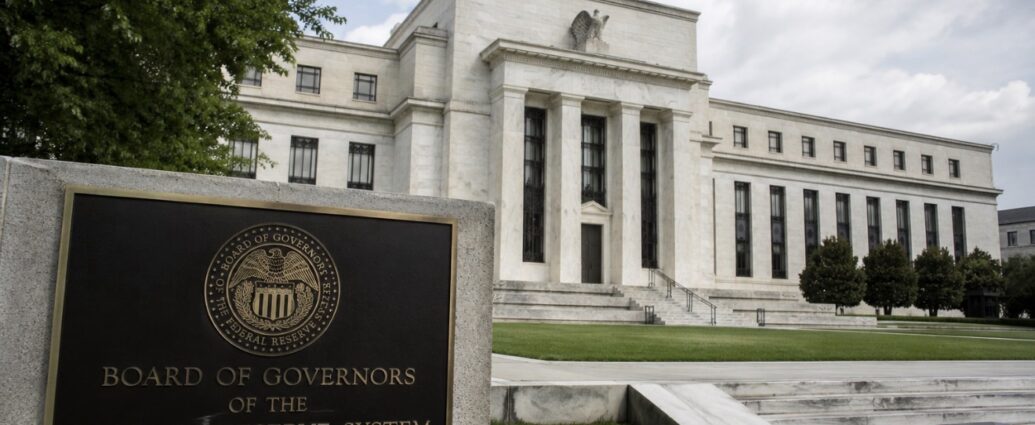
The new head of the Federal Reserve is making clear that one of his signature goals — trimming the central bank’s enormous bond portfolio — will be a slow, careful project rather than a quick fix. Speaking Wednesday at the European Central Bank’s annual central-banking forum in Sintra, Portugal, Fed Chairman Kevin Warsh reiterated his preference to scale back the Fed’s bond holdings while stressing that any move would come only after extensive public preparation.
Warsh summed up the timeline with a characteristic line. “It’ll take us more than 18 weeks to bring it down to size,” he said, noting that it took the central bank roughly 18 years to build a balance sheet he believes has grown so large it “borders on fiscal policy.” The message was clear: no sudden moves, but a deliberate direction of travel.
The balance sheet in question is vast. The Fed’s holdings ballooned from about $800 billion before the 2008 financial crisis to nearly $9 trillion at their 2022 peak, swelling each time the central bank bought bonds to support the economy. Three years of runoff brought it back to roughly $6.7 trillion before the Fed resumed slow growth after stress in funding markets late last year. Warsh has long argued that this bond-buying, known as quantitative easing, distorted markets and disproportionately benefited holders of financial assets.
For ordinary Americans, this arcane-sounding debate has real consequences. The size of the Fed’s balance sheet influences long-term interest rates, which in turn shape mortgage rates, auto loans, business borrowing costs, and even the returns available on savings accounts. Shrinking it too quickly could push borrowing costs higher, making home loans and financing more expensive at a time when affordability is already stretched. That is precisely why Warsh is emphasizing patience.
There are technical dangers as well. Draining money from the banking system without care can destabilize the short-term funding markets that keep the financial system operating smoothly. The Fed learned that lesson in 2019, when an earlier effort to reduce its holdings caused a sudden disruption in money markets and forced policymakers to reverse course. Warsh acknowledged that history directly, saying any future reduction must be gradual and carefully managed.
Not everyone at the Fed agrees with his objective. Governor Michael Barr has argued that aggressively shrinking the balance sheet could weaken bank resilience, interfere with money-market functioning, and increase financial risks. Because major policy changes require broad agreement among Federal Open Market Committee members, Warsh will need to build consensus rather than act alone, another reason the process is expected to unfold over several years.
The balance-sheet strategy is only one part of Warsh’s broader agenda since becoming chairman. He has also signaled support for lighter regulation, less reliance on detailed forward guidance from the Fed, and a fresh look at how the central bank communicates inflation and monetary policy. At the June policy meeting, the Fed left its benchmark interest rate unchanged between 3.5% and 3.75%, and Warsh notably declined to publish his own future rate projections, marking a subtle departure from previous leadership.
The broader economic backdrop may give him flexibility. Economic growth has remained resilient, while easing energy prices following the de-escalation of tensions in the Middle East have helped reduce some inflation pressures. Although the White House has continued pressing for lower interest rates, Warsh has repeatedly emphasized that the Federal Reserve will make its decisions independently and based on economic data rather than political considerations.
For businesses and consumers, the near-term message is one of stability. Warsh has made clear he does not intend to abruptly withdraw liquidity from financial markets. Instead, he wants markets, lenders, and borrowers to have ample warning before any meaningful changes occur. That predictability allows companies planning investments and families considering major purchases to prepare without the shock of sudden policy shifts.
The longer-term picture is a Federal Reserve gradually reducing the extraordinary role it assumed during years of financial crises and pandemic-era intervention. Warsh believes the central bank expanded far beyond its traditional mission and that unwinding that footprint is necessary for healthier financial markets. As he emphasized in Sintra, restoring a smaller balance sheet will be measured in years, not months, with careful communication guiding every step.
JBizNews Desk
© JBizNews.com All Rights Reserved. Reproduction or distribution without written permission is prohibited.