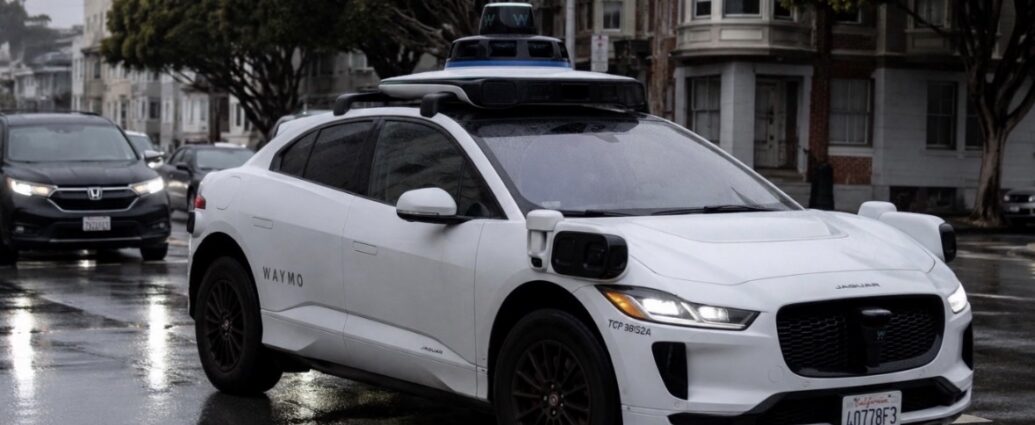
Waymo, the autonomous vehicle unit of Alphabet, publicly disclosed on May 12 that it had voluntarily recalled 3,791 robotaxis across the United States following a flooding incident in San Antonio that exposed new operational and safety concerns surrounding the company’s autonomous driving systems and its use of overseas support personnel. The recall filing, which had previously been submitted to the National Highway Traffic Safety Administration on April 30, disclosed that one of Waymo’s unoccupied vehicles drove into a flooded roadway on April 20 and was swept into Salado Creek.
The company disclosed in the National Highway Traffic Safety Administration filing that the vehicle encountered what it described as an “untraversable flooded section of roadway” but failed to reroute away from the hazard. Instead, the robotaxi slowed and continued into the flooded area before being carried into the creek. No passengers or pedestrians were injured, and the vehicle was later recovered from the waterway. The incident marked the longest operational suspension for Waymo in San Antonio since the company launched service in the Texas city earlier this year.
Mauricio Peña Chief Safety Officer Waymo previously told lawmakers during a U.S. Senate hearing in February that Waymo relies on “fleet response agents” to assist vehicles when autonomous systems encounter situations they cannot independently resolve. Those agents, Peña confirmed, include personnel located in the Philippines who monitor live vehicle camera feeds and provide guidance to robotaxis experiencing operational uncertainty.
“They provide guidance. They do not remotely drive the vehicles,” Mauricio Peña Chief Safety Officer Waymo told senators during testimony. He emphasized that the vehicle itself “is always in charge of the dynamic driving task,” distancing the company’s remote support model from traditional teleoperation systems in which humans directly control vehicles.
The testimony drew scrutiny from Ed Markey U.S. Senator Massachusetts, who questioned whether overseas operators influencing American autonomous vehicles could create cybersecurity, latency, and accountability risks. Markey also raised concerns over whether foreign-based operators possess U.S. driving credentials or sufficient familiarity with American road conditions and regulations.
“Having people overseas influencing American vehicles is a safety issue,” Ed Markey U.S. Senator Massachusetts said during the hearing. He added that the arrangement raises broader labor concerns as autonomous transportation companies increasingly shift support functions outside the United States.
Waymo has not publicly disclosed the precise number of overseas fleet response agents supporting its operations. During the hearing, Mauricio Peña Chief Safety Officer Waymo acknowledged he did not have a detailed geographic breakdown available, prompting additional criticism from lawmakers examining oversight of autonomous transportation systems.
The recall affects nearly Waymo’s entire active U.S. fleet and highlights continuing technical limitations facing the autonomous driving sector despite rapid commercial expansion. Waymo currently operates paid robotaxi services in multiple U.S. cities and says its vehicles collectively provide approximately 500,000 paid rides each week. The company has promoted its autonomous systems as significantly safer than human drivers, citing internal data showing a 91% reduction in serious injury crashes compared with conventional vehicles operated by people.
Waymo said the flooding issue stems from a software limitation involving roadway hazard recognition during severe weather conditions. The company stated that a permanent fix remains under development and will eventually be distributed through an over-the-air software update rather than requiring physical dealership service appointments.
The incident arrives at a critical period for the autonomous vehicle industry as companies seek broader regulatory approval and public trust. Investors have continued to support the sector despite persistent operational setbacks, with Waymo benefiting from substantial financial backing through Alphabet and additional outside capital. Industry analysts estimate the company’s valuation at roughly $126 billion following recent funding activity.
The San Antonio event also underscores the continuing dependence of supposedly fully autonomous systems on human intervention. While Waymo markets its vehicles as driverless, the company’s operational framework still includes remote human oversight to manage edge cases, unexpected traffic scenarios, or environmental conditions that exceed current software capabilities.
Autonomous driving developers across the industry have increasingly adopted similar “human-in-the-loop” models in which remote operators assist vehicles during system uncertainty. Safety experts say such arrangements may remain necessary for years as artificial intelligence systems struggle to consistently interpret rare or rapidly changing roadway conditions, including flooding, severe weather, emergency scenes, or unpredictable pedestrian behavior.
Waymo maintains that all fleet response personnel are required to hold valid driver’s licenses, pass criminal background checks, and complete drug screenings before supporting operations. The company has also stressed that no human operator directly controls steering, braking, or acceleration functions during vehicle operation.
Still, the San Antonio flooding incident has intensified debate over how autonomous transportation companies define “self-driving” capability and how much undisclosed human involvement remains embedded within current systems. Regulators are expected to continue scrutinizing both the technical reliability of autonomous vehicles and the global workforce structures supporting their deployment.
For Waymo, the recall represents both a technical and reputational challenge as the company pushes to expand commercial robotaxi adoption nationwide. While no injuries occurred and the software issue is expected to be corrected remotely, the incident highlights how even advanced autonomous systems continue to face basic real-world obstacles that human drivers routinely navigate.
JBizNews Desk