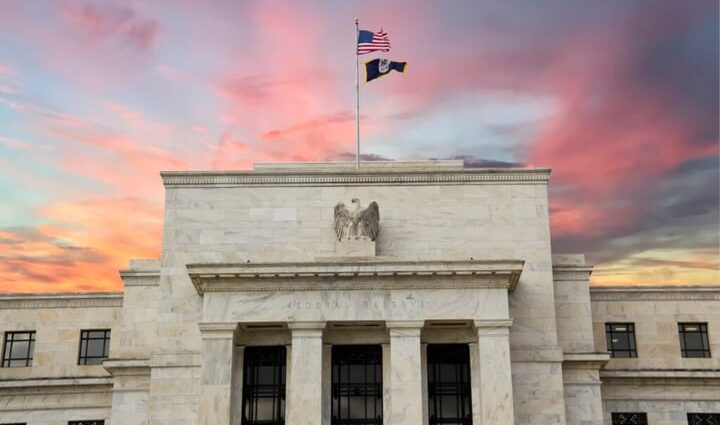
The Federal Reserve leadership transition is scheduled to occur during a turbulent time. Rate-cut expectations have been slashed to zero, private-sector job growth is effectively zero, and trillions of dollars in debt need to be refinanced.
Each of these variables alone would be manageable. Together, they form a trifecta of macro constraints of 2026.
Expectations Revisited
Wells Fargo has revised its rate change projection on April 6. According to Reuters, the bank scrapped its expectation of two rate cuts this year, expecting a transient inflation bump and higher uncertainty.
Inflation, particularly from energy shocks tied to geopolitical conflict, remains too persistent. The bond market has made that clear by pushing yields higher and demanding a greater risk premium to hold U.S. debt.
Meanwhile, Federal Reserve Chair Jerome Powell acknowledged weakness in the job market
“If you adjust what has been the trend in job creation over the past six months…If you adjust that for what we think is the overstatement due to overcounting, effectively there’s zero net job creation in the private sector,” he said on March 18.
For Powell, whose term ends on May 15, the economy isn’t collapsing, but it is not expanding in a meaningful way either.
Under normal circumstances, …





This post was originally published here