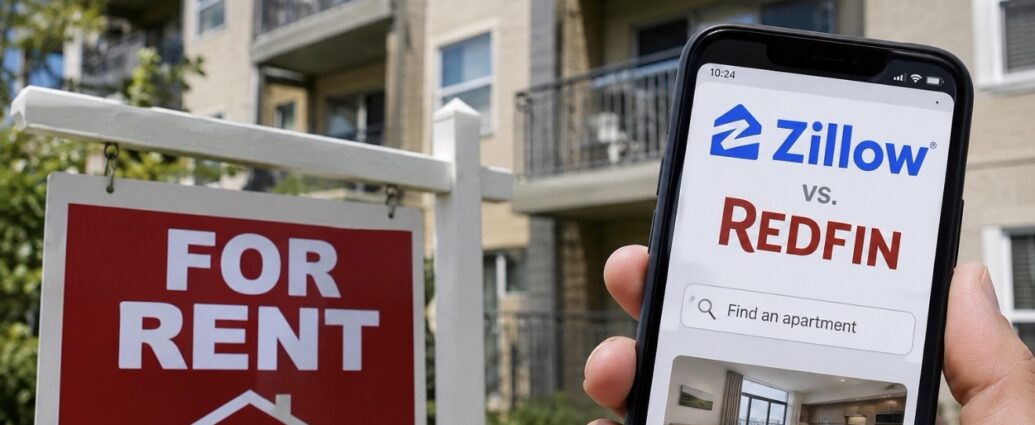
WASHINGTON — A major antitrust settlement involving Zillow and Redfin could reshape the online apartment-search business, restoring a competitor that federal regulators say Zillow paid $100 million to effectively remove from the market.
The Federal Trade Commission and attorneys general from Arizona, Connecticut, New York, Virginia and Washington reached an agreement with Zillow and Redfin resolving allegations that a 2025 partnership between the companies illegally reduced competition in online rental advertising.
Under that agreement, Zillow paid Redfin $100 million as Redfin shut down its independent internet-listing-services business, transferred advertising customers to Zillow and began displaying Zillow-provided rental listings across Redfin properties.
The FTC alleged the arrangement effectively eliminated Redfin as a major independent competitor for multifamily rental advertising.
Now, regulators are forcing much of that structure to be unwound.
Redfin must restart its independent rental-advertising business within six months after the court order becomes final, rebuild the necessary technology and hire a general manager, sales staff and customer-support team.
The company has also committed to substantial multiyear investment in the rebuilt operation.
That matters beyond Zillow and Redfin.
Apartment-search websites operate as two-sided marketplaces. Renters use them to find available homes, while landlords and property managers pay to advertise their properties and reach those renters.
When fewer major platforms compete for those advertising dollars, property managers can have less bargaining power — and higher marketing costs can ultimately become another expense embedded in the economics of renting apartments.
The FTC said restoring Redfin as an independent competitor should create more choices, increase innovation and potentially reduce advertising costs.
There is an important distinction for consumers: the settlement does not mean Zillow listings will disappear from Redfin.
Redfin can continue carrying Zillow listings. What changes is Redfin’s ability to separately pursue landlords and property managers, sell its own advertising services and display rental listings obtained independently of Zillow.
The order goes even further.
Zillow will be required to remove certain restrictions that could interfere with Redfin recruiting employees needed to rebuild the operation. Zillow must also provide some customers with opportunities to renegotiate contracts after Redfin reenters the market, giving property managers a meaningful chance to switch or add competing services.
The proposed order would remain in effect for 10 years, and Redfin could face financial penalties if it fails to meet its commitments.
The settlement still requires approval and signature from the federal judge overseeing the case before it has the force of law.
For renters, there will probably be no dramatic change tomorrow morning.
But over time, the consequences could become visible in something consumers increasingly take for granted: how many apartments they see online, which properties appear on different platforms and how much competition exists among the companies controlling the digital gateway to finding a home.
JBizNews Desk | Washington
© JBizNews.com All Rights Reserved. Reproduction or distribution without written permission is prohibited.