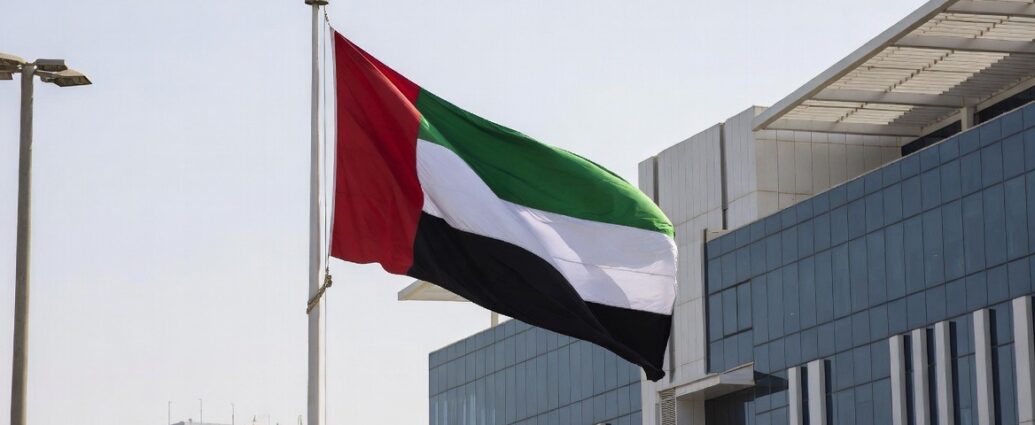
JBizNews – The United Arab Emirates on April 28, 2026, announced its withdrawal from the Organization of the Petroleum Exporting Countries and the broader OPEC+ alliance effective May 1, a move that severs nearly six decades of membership and has sent shockwaves through global energy markets, signaling a fundamental realignment of its energy policy toward greater production flexibility amid evolving global demand and regional tensions.
The decision, conveyed through the state-run WAM news agency and confirmed by UAE Energy Minister Suhail Mohamed al-Mazrouei, follows a comprehensive review of the country’s production policy, current capacity and future expansion plans, Rystad Energy analyst Jorge Leon noted. UAE officials framed the exit as aligned with the country’s long-term strategic and economic vision, enabling it to respond more nimbly to market dynamics without the constraints of collective quotas. The UAE, which joined OPEC in 1967 via the Emirate of Abu Dhabi and retained membership after the federation’s formation in 1971, produces roughly 3.2 million to 3.5 million barrels per day and has been investing heavily to lift capacity toward 5 million barrels per day by 2027, ICIS director of energy and refining Ajay Parmar highlighted.
Suhail Mohamed al-Mazrouei described the step as a policy decision taken after careful consideration. “This decision follows decades of constructive cooperation,” the energy ministry stated, while reaffirming the UAE’s commitment to global market stability through gradual and measured output adjustments guided by demand. The announcement comes with just days’ notice, raising questions about coordination with fellow members, energy market analysts observed. UAE diplomatic adviser Anwar Gargash separately cited frustrations with insufficient political and military support from Gulf Cooperation Council partners during the ongoing Iran conflict, adding a geopolitical layer to the economic rationale.
The exit represents a sudden and significant shock to OPEC and OPEC+ unity and to the broader global oil market, Rystad Energy analyst Jorge Leon emphasized. “The UAE withdrawal marks a significant shift for OPEC. Alongside Saudi Arabia, it is one of the few members with meaningful spare capacity,” he said, warning that the longer-term implication is a structurally weaker group and a potentially more volatile oil market. The timing amplifies the impact amid the Iran war’s disruption of flows through the Strait of Hormuz.
UAE officials downplayed immediate market disruption, noting current logistical constraints in the Gulf limit near-term export effects. Still, the move hands a symbolic victory to U.S. President Donald Trump, who has long criticized OPEC for inflating prices, global energy analysts pointed out. Oil prices trimmed some intraday gains following the news but remained elevated overall, reflecting the surprise factor.
Saudi Arabia, the de facto leader of OPEC+, now faces heightened challenges in maintaining group cohesion, energy sector analysts at Goldman Sachs noted. The UAE had frequently pushed for higher baselines to reflect its expanded capacity, a point of past tension within the alliance.
For global energy markets, the departure removes one of the cartel’s most consequential producers and could encourage other members to reassess their commitments. UAE authorities stressed the exit does not signal hostility toward former partners and pledged continued responsible contributions to supply security, consensus analyst views from Rystad and ICIS tracked.
Shares of major international oil companies with exposure to the Gulf reacted with caution, while benchmark Brent crude futures hovered near recent highs above $100 per barrel.
The developments carry implications for consumers worldwide through possible shifts in price volatility and for producing nations weighing the trade-offs between collective influence and sovereign flexibility. Regulatory and geopolitical factors, including the Iran conflict’s blockade effects and evolving energy transition pressures, add layers of complexity to the UAE’s new independent path.
UAE’s performance as an independent producer will be closely watched as a test case for whether exiting the cartel delivers the production upside it seeks without destabilizing global supply balances, Wolfe Research energy analysts observed. The global oil sector has already navigated pandemic recovery, demand uncertainties and now war-induced shocks; the UAE’s bold departure could accelerate a fragmentation trend or prompt renewed efforts at coordination among remaining members.
Looking ahead, the UAE’s trajectory will depend on its ability to ramp up output gradually while maintaining market stability commitments, the success of ongoing capacity investments by Abu Dhabi National Oil Company, and how OPEC+ responds to the loss of a key player. Further details on implementation and any ripple effects on quotas are expected in coming days, with analysts cautioning that near-term supply impacts may be muted but longer-term implications point to greater oil market volatility and questions over the future cohesion of producer alliances.
JBizNews Desk
April 28, 2026