There’s a certain comfort in spreading money across different accounts. Savings for easy access, IRAs for retirement, maybe a Roth sitting quietly in the background. It’s a common setup. The real question comes later: which account gets tapped first without making a costly mistake?
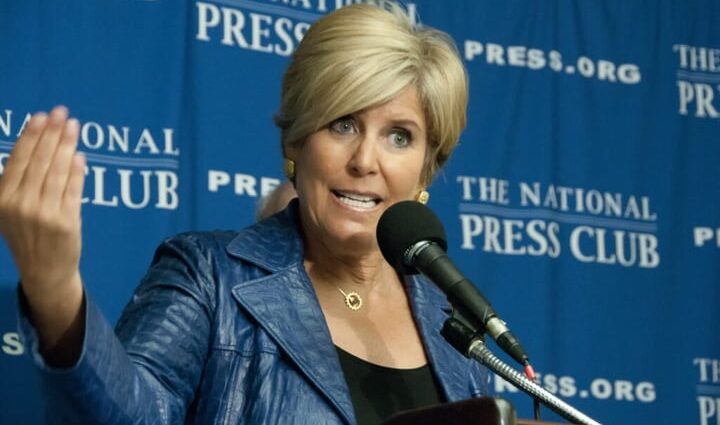
On the “Women & Money” podcast, financial expert and host Suze Orman took a question from Ellen, a 67-year-old retiree trying to make that exact decision.
Ellen said she had been retired for about two years and was in a stable position. Her Social Security covered most of her daily expenses, and she only needed to dip into savings for extras like travel or unexpected costs. Her money was spread across several buckets, including regular savings, a traditional IRA, a rollover IRA, and a Roth IRA.
Don’t Miss:
- Most Retirement Plans Ignore Taxes — See If Yours Does
- See What AI Could Build for Your Portfolio — Try a Custom Index Now
A Common Setup With One Key Decision
Ellen asked which account she should withdraw from first, then next.
Orman turned it into a quiz for co-host KT, who gave the answer many people would expect. Start with savings because it is easiest to access, then move to the Roth.
That answer was incorrect.
IRA Withdrawals Come First
Orman said Ellen’s income situation changes the strategy. With most of her income coming from Social Security, her taxable income appears low.
That creates an opportunity to use taxable accounts more efficiently.
Orman said Ellen could withdraw from her traditional IRA or rollover IRA first. With limited income, she may be able to take out around $15,000, apply the standard deduction, and potentially owe little to no federal taxes.
Instead of avoiding taxable withdrawals, this approach uses a low tax bracket to her advantage.
Trending: Traders Are Flocking to Direxion ETFs — Targeting Tesla and Elon Musk’s Market Moves
Roth Preserved While Savings Comes Last
Orman said Roth IRAs should be left untouched for as long as possible. These accounts grow tax-free, and the longer they remain invested, the more valuable that benefit becomes.
Savings accounts, despite being easy to access, come last. They typically earn minimal returns, making them the least valuable bucket in terms of long-term growth.
The order she laid out was:
- Traditional IRA or rollover IRA first
- Roth IRA later
- Savings last
It runs against instinct. Many people reach for savings first because it feels simple, but this strategy focuses on preserving tax advantages and maximizing long-term value.
See Also: More Than Half of Americans Aren’t Prepared for Retirement — Including 62% of Gen Y
Where A Financial Advisor Can Help
Withdrawal decisions depend on income, tax brackets, and account types working together. A strategy that works well in one situation may look very different in another.
A financial advisor can help build a withdrawal plan that minimizes taxes while protecting long-term growth. Even small adjustments in timing and order can make a meaningful difference over time.
For retirees with money spread across multiple accounts, the smartest move often starts with asking the right question first.
Read Next: See how a tax-aware retirement strategy could help improve …





This post was originally published here