A paid-off home and six-figure savings made the next step feel obvious. It wasn’t.
Bobby, from Fresno, California, told “The Ramsey Show” he and his wife paid off their home years ago and saved about $175,000. Now they were considering a $292,000 rental property, either with a large down payment or by splitting the money across multiple homes.
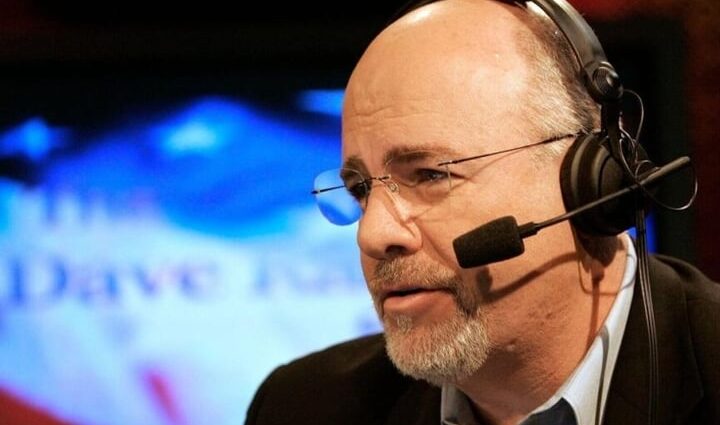
“Debt equals risk. More debt equals more risk,” personal finance expert Dave Ramsey said.
Don’t Miss:
- See how a tax-aware retirement strategy could help improve your 2026 outlook — match with a financial adviser today.
- This Jeff Bezos-backed startup will allow you to become a landlord in just 10 minutes, with minimum investments as low as $100.
The Math Behind “More Deals”
Spreading the money across multiple properties would add risk and lower cash flow, Ramsey said. Even with 50% down on one $292,000 house, he told Bobby, the income would be limited.
Ramsey told Bobby to look beyond the gap between rent and the mortgage payment. A property can sit empty for months, a tenant may stop paying, and a major repair can wipe out income quickly.
He said owners still deal with costs such as heating and air repairs, roof leaks, property taxes, insurance, vacancies and legal expenses during evictions, even when the property is paid off.
Ramsey called the rent-minus-payment formula “naive” and incomplete.
Trending: 1.5M+ Users. $29M Raised. Pre-IPO Shares Still at $0.72 — Learn How to Invest Before the Deadline
When “Cash Flow” Doesn’t Show Up
Ramsey owns hundreds of millions in real estate, now mostly commercial, and still considers it a strong investment. He, however, called rental houses “a pain in the butt to deal with” and said that after repairs and vacancies, some properties hardly make money.
He told Bobby to set aside both options and wait.
“I wouldn’t even buy one right now until you have the money,” Ramsey said. “I’d pay cash for it or I wouldn’t do it.”
Co-host George Kamel said Bobby was about $120,000 short of being able to buy the house outright, a problem he called solvable.
See Also: The Smartphone Disruptor Turning App Time Into Income Opens $0.50/Share Pre-IPO Round With Limited Bonus Share Access
Slower Growth, Lower Risk
Ramsey said Bobby’s location could make a borrowed deal riskier, saying “one little California upheaval” could quickly turn into a serious problem. He said Bobby had “TikTok real estate fever” and told him to slow down, keep saving and build toward a stronger position.
Ramsey pointed to his early experience. By 26, he had built a portfolio worth about $4 million with $3 million in debt and a six-figure income for the time. It looked successful until it collapsed. “And that portfolio bankrupted me,” he said.
He connected that outcome to the approach Bobby was considering, saying spreading money across multiple properties with loans cuts cash flow, raises risk, and weakens returns.
“That’s how people go broke,” Ramsey said.
Ramsey’s warning wasn’t necessarily against real estate itself, but against taking on too much leverage and operational risk too quickly. That’s one reason some investors are exploring alternatives like Arrived, which offers access to …





This post was originally published here