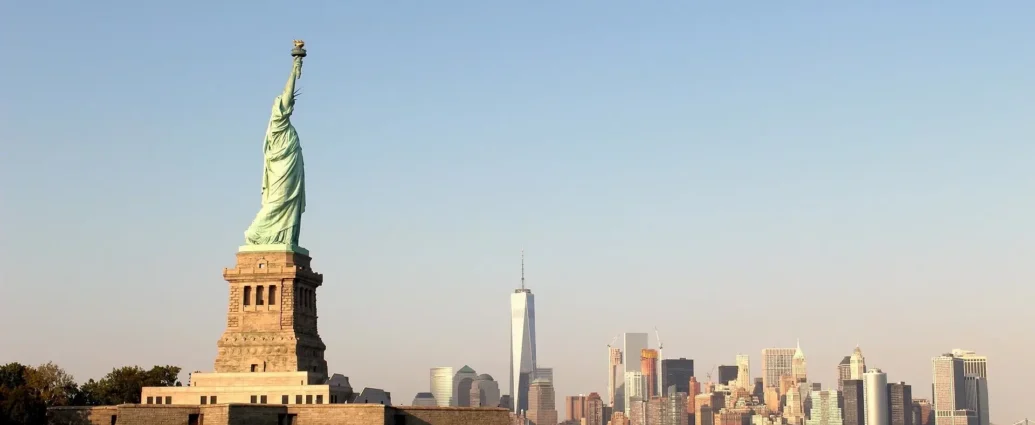
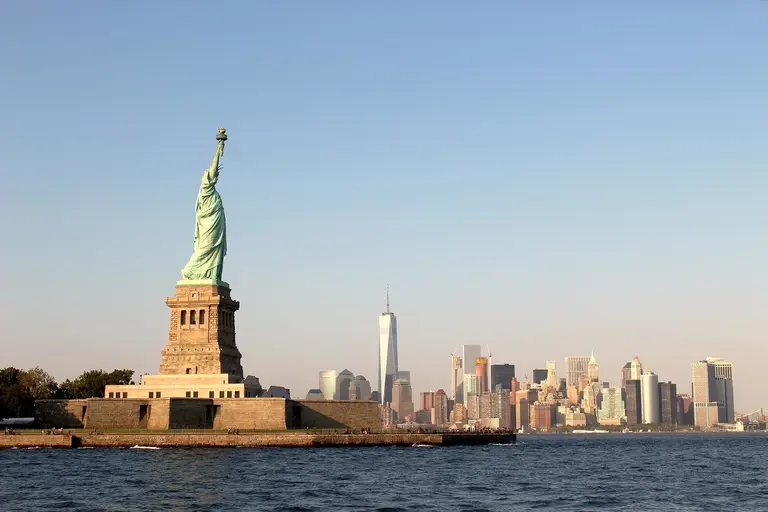
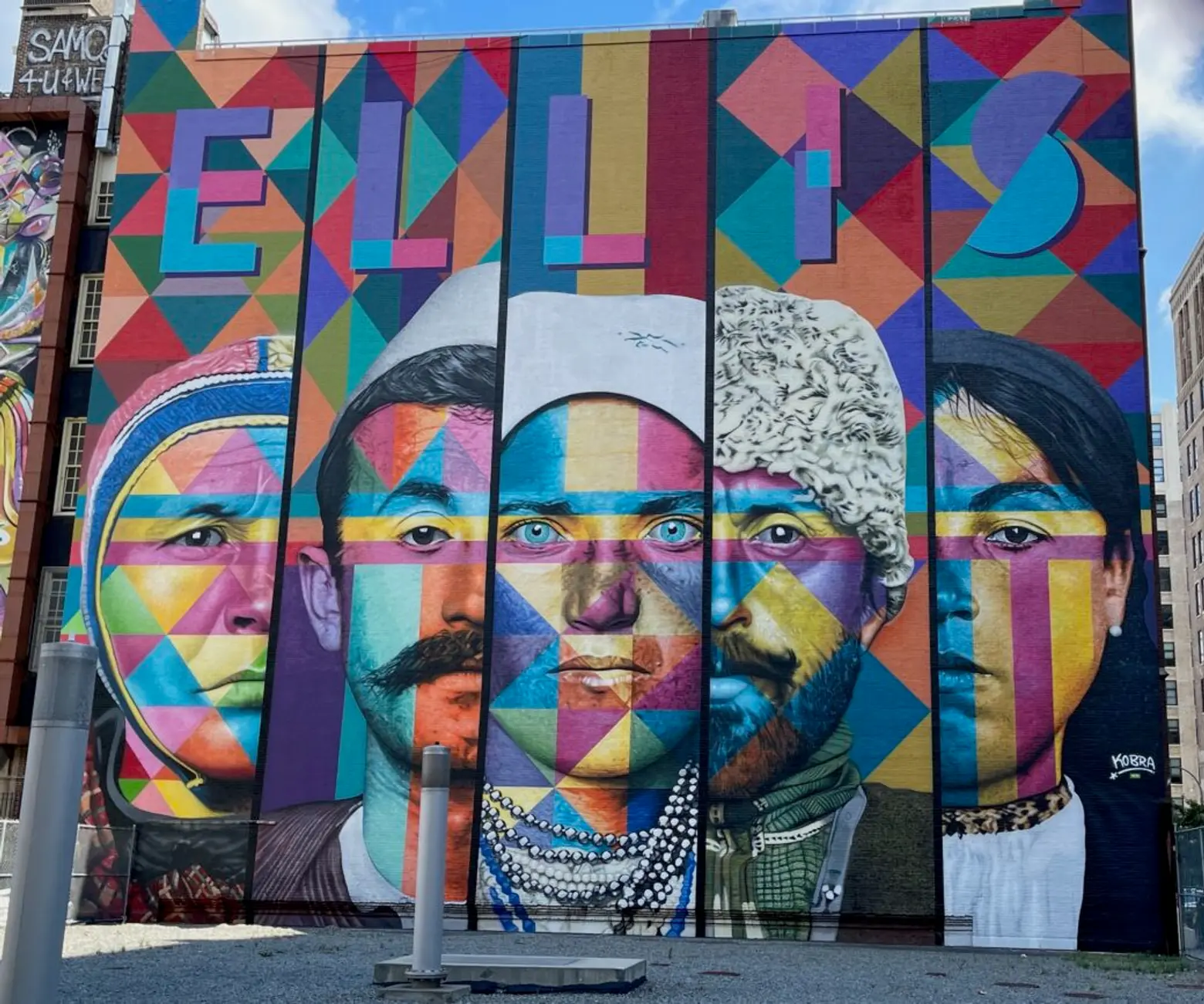
With a proud history of immigration through Ellis Island, New York City is home to more than three million foreign-born residents, 38 percent of the population, and over 500,000 undocumented immigrants, according to the Center for Migration Studies. With a long-held reputation as a safe haven, the city prides itself on being a “sanctuary city,” with policies firmly in place that aim to protect anyone targeted by immigration authorities, regardless of their status, except those with serious criminal convictions. New York City offers some of the nation’s most robust protection, but state legislation has lagged behind. What do sanctuary laws actually accomplish—and what’s being done to improve their reach?
Under President Donald Trump’s administration, immigration control has attained top priority status in keeping with the president’s campaign promises, with the U.S. Immigration and Customs Enforcement (ICE), the enforcement agency of the Department of Homeland Security (DHS), leading a mass deportation initiative. The agency’s budget and mission have been significantly expanded, including $75 billion in multi-year funding, and the possibility of $70 billion in additional funding is on the way. ICE has been deployed at an unprecedented level, with an aggressive presence that has sparked fear as well as civil unrest in cities across the nation; this presence captured the public spotlight when two protesters were shot and killed by ICE and Border Patrol agents in Minneapolis this year.
New York City is among the nation’s hotspots for some of this growing unrest, despite its immigrant-friendly history. Earlier this month, a video surfaced showing police clashing violently with protesters outside the Wyckoff Heights Medical Center in Bushwick as ICE agents made an arrest. An ICE spokesperson told ABC News that ICE agents arrested Chidozie Wilson Okeke, a Nigerian man “with previous arrests for assault and criminal drug possession,” whose visa had expired.
The NYPD said it had no involvement in this operation, but that police were called when the surrounding crowd grew disorderly. However, Council Member Sandy Nurse, who was at the scene, said on X: “What I witnessed during the discharge appeared to be direct coordination between ICE and the NYPD, with officers cordoning off the ambulance bay to allow ICE to move the individual into their vehicles and leave.”
In an unrelated press conference following the incident, Mayor Zohran Mamdani told reporters there was no prior coordination or planning between the NYPD and ICE, but that NYPD officers were responding to 911 calls regarding a protest outside of the hospital.
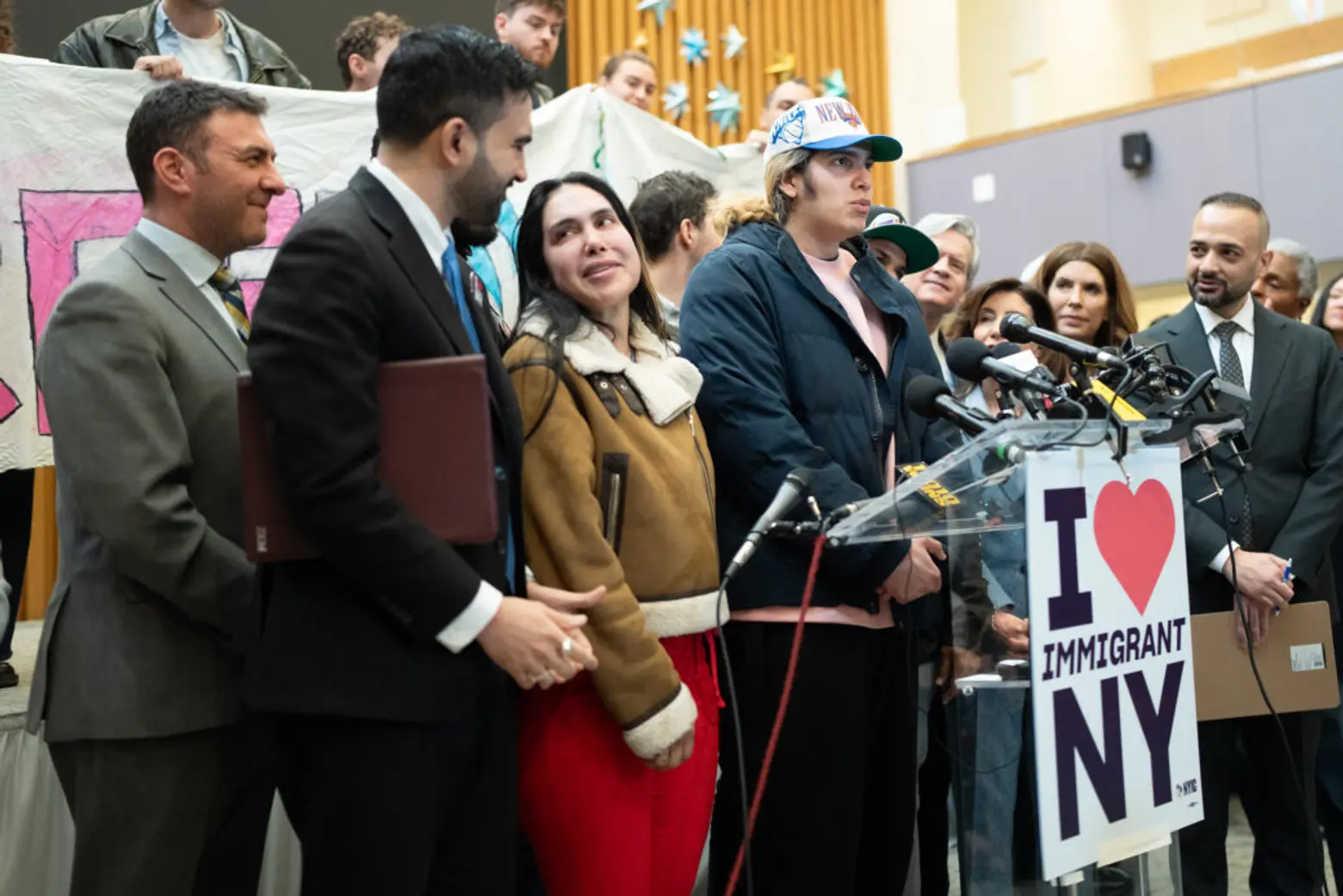
“Our laws leave no room for interpretation about the fact that our NYPD will not participate in civil immigration enforcement,” Mamdani said. “And I’ve also been very clear about my views on ICE raids as a whole. I think that they are cruel, I think that they are inhumane, I think that they do not serve any interest of public safety.”
What is a sanctuary city?
While not a legal designation, the term “sanctuary city” refers to municipalities that have adopted a set of local laws and executive orders that provide some degree of protection to undocumented immigrants if federal agents seek to detain or deport them, mainly by limiting cooperation between city agencies, like law enforcement, and federal immigration agencies such as ICE. There are currently over 1,000 sanctuary jurisdictions throughout the country.
Sanctuary policies act as a barrier to communication between immigration agents and city employees who work with undocumented immigrants. The first sanctuary laws were created to encourage immigrants to seek out city services like medical treatment and school enrollment, and to report crimes without fear of detention. To this end, immigrant rights advocates say these policies are vitally important to general public safety.
What are New York City’s current sanctuary policies?
- The NYC laws prohibit local law enforcement from honoring most ICE detainer requests unless a warrant is issued or for serious crimes.
- The NYPD does not inquire about immigration status or assist in federal immigration enforcement, allowing undocumented residents to report crimes without fear.
- City agencies are generally prohibited from sharing information about a person’s immigration status with federal authorities unless it’s part of a criminal investigation.
- Federal agents must present a judicial warrant to enter non-public areas of city property, such as schools and shelters.
- The city provides services, including free legal aid through the New York Immigrant Family Unity Project and access to essential benefits such as medical care, schools, and police protection, regardless of status, without fear of deportation.
The policies above don’t legally prohibit ICE from detaining and deporting people. But they have curtailed their ability to do so.
According to the New York Times, the 2014 enactment of stronger sanctuary laws significantly reduced the practice of transferring immigrants from jail to ICE custody. Previously, detainer requests led the Department of Corrections and the Police Department to shuttle thousands of immigrants into ICE custody each year.

A brief history and a mayor’s legacy
New York City is not only the nation’s largest sanctuary city, but it is also the nation’s oldest, with sanctuary policies in place since the 1980s, when Mayor Edward Koch issued an executive order prohibiting information about immigrants who were not suspected of criminal activity from being shared with federal authorities. Subsequent mayors renewed the order.
Mayor Rudy Giuliani unsuccessfully defended the order in court after a 1996 congressional law was passed that prevented local governments from withholding information from federal agents. Mayor Michael Bloomberg found a way around the federal law by issuing a slightly different order forbidding city employees from asking anyone their immigration status, with certain exceptions.
In 2014, drastically expanded sanctuary laws were introduced when Mayor Bill de Blasio signed laws that all but stopped the city’s police and jails from aiding federal agents in the deportation of undocumented immigrants.
At that time, deportations had reached record highs under President Barack Obama’s administration, with about 400,000 immigrants deported throughout the U.S. each year, according to the New York Times. One reason for the increase in deportations: ICE was collaborating with local officials to speedily transfer immigrants arrested on criminal charges to ICE custody after being released from local prisons and jails using detainer requests.
Some Democratic officials became aware of this uptick in apprehensions and insisted that city resources should not be used to help the federal government deport people. In response, de Blasio enacted laws that ejected ICE from the offices they maintained at the Rikers Island jail, and strictly curtailed communication allowed between ICE and the city’s Department of Correction.
In addition, the laws prohibited city agencies from honoring ICE detainer requests, except for those involving people who had been convicted of any of 170 serious crimes. With each request, ICE would be required to present a warrant signed by a federal judge. Despite vehement opposition by ICE, they are still in effect today.
De Blasio followed up with more restrictions when Donald J. Trump was elected president in 2016, including guidelines that require ICE to present judicial warrants to enter city buildings like schools and homeless shelters. In 2020, a state law was passed that barred ICE officers from apprehending people at state, city, and municipal courthouses.
A heightened challenge for sanctuary policies
The Trump administration has accelerated the use of federal agencies that had generally been focused on criminal law enforcement to focus on its deportation agenda. Although the city continues to honor only a small number of them, the Department of Homeland Security (DHS) reported a 400 percent increase in ICE detainers issued in NYC in early 2025 compared to the previous administration’s term.
In July 2025, the U.S. Department of Justice sued New York City, aiming to invalidate regulations that limit police cooperation with federal agents, arguing that sanctuary policies unconstitutionally obstruct federal immigration enforcement, violate the Constitution’s Supremacy Clause, and jeopardize public safety. The case is ongoing.
Within the city, then-Mayor Eric Adams argued that the de Blasio-era laws were an overreach, saying that the city should be able to turn over immigrants who have not yet been convicted of crimes, suggesting that constitutional due process rights should not apply to people who entered the country illegally. Through an executive order, Adams attempted to allow more cooperation with the federal administration’s mass deportation agenda and to return an ICE office to Rikers Island.
Immigrant advocates and the City Council fought back, and an order from the New York Supreme Court struck down the executive order. In addition, the City Council enacted the Safer Sanctuary Act, introduced by Council Member Tiffany Cabán, which overrode a mayoral veto and went into effect in January of 2026.
According to the Immigrant Defense Project, this legislation keeps federal agents from having an office on any Department of Correction property, including, of course, Rikers Island. It also updates the definitions of terms used in the current laws to reflect the federal government’s utilization of various arms of government to target people for deportation.
In February 2026, Mamdani signed a ceremonial executive order reaffirming the city’s sanctuary commitment, but these policies remain a central point of legal and political conflict between the city and the federal government.
A new set of state-level sanctuary provisions
New York City has the most robust sanctuary provisions in the state, but state laws differ from those in place within city limits. New York is one of 17 sanctuary states in the US, but advocacy groups have been looking to Gov. Kathy Hochul to match the city’s level of immigrant protection.
A growing number of states prohibit cooperation with federal immigration enforcement. New Jersey, Washington, Illinois, and California already have state-wide sanctuary policies. New York state relied upon a loose collection of executive orders that restricted the sharing of information between the federal government and state law enforcement agencies, as well as the arrest of immigrants in state facilities.
Some Republican strongholds, like Nassau County on Long Island, have working relationships with ICE and favor helping the federal government carry out mass deportations. Rensselaer County has even entered into a formal agreement with ICE in a 287(g) program that can deputize local officers to do immigration enforcement duty.
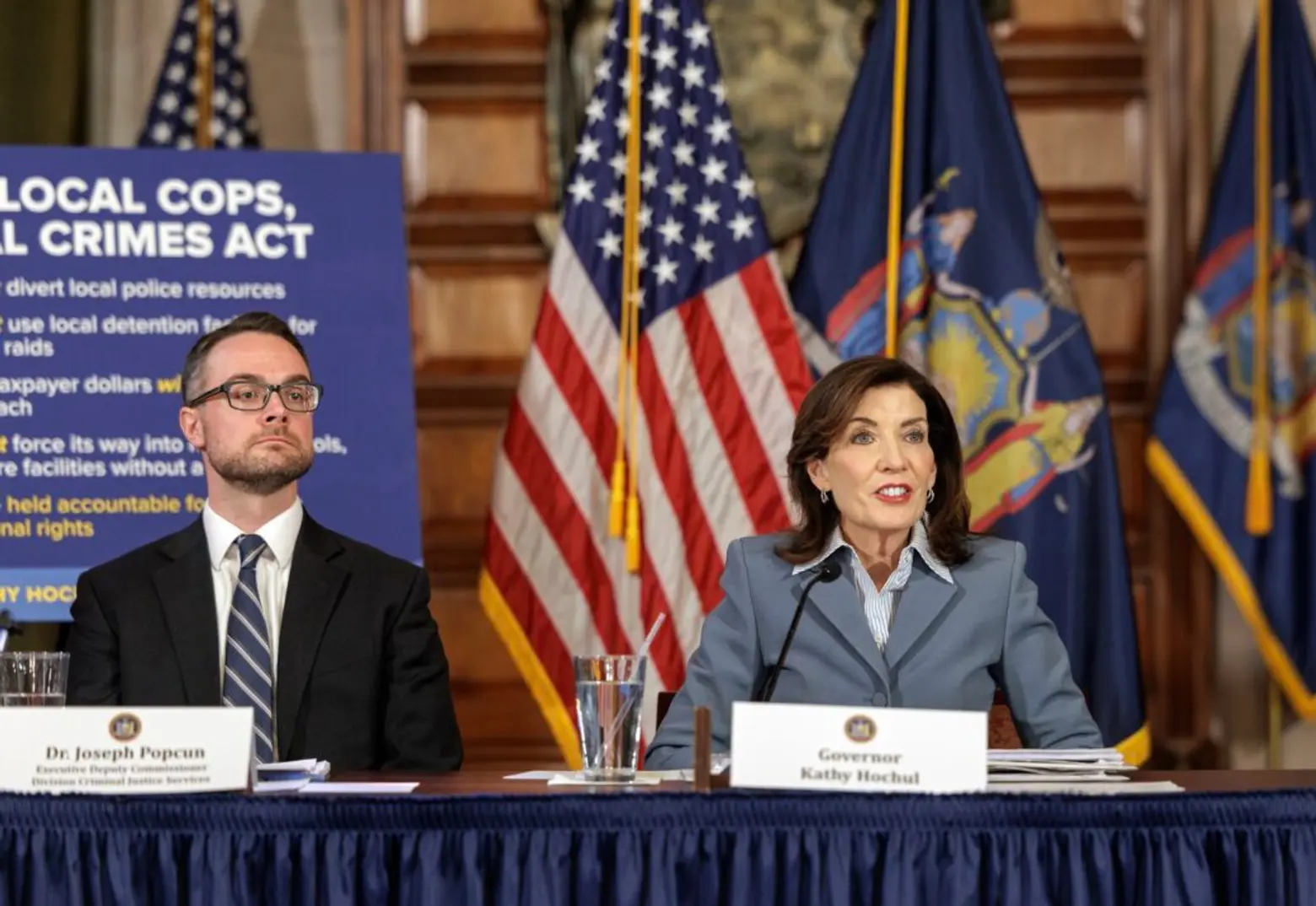
In Albany, immigration activists have been lobbying the State Capitol to adopt the New York for All Act, sponsored by Sen. Andrew Gounardes and Assembly Member Karines Reyes, which would limit all state and local agencies from cooperating with ICE and U.S. Customs and Border Protection. Hochul also introduced the Local Cops, Local Crimes Act, which would end 287(g) contracts between state and local law enforcement and federal immigration agents, and would restrict ICE agents from entering government-run “sensitive locations,” like schools and public hospitals, without a judicial warrant.
This month, Hochul announced a package of what she introduced as “comprehensive immigrant protections” as part of New York’s $268 billion budget proposal. Though Hochul announced that she had reached a compromise with legislative leaders on the spending plan, budget negotiations are still ongoing in Albany.
Based on the Local Cops, Local Crimes Act, the new immigration protection laws will:
- Prohibit local law enforcement from being deputized by ICE for federal civil immigration enforcement by eliminating 287(g) agreements, barring state and local police from acting as civil immigration agents, or using taxpayer-funded resources or personnel to carry out federal civil immigration enforcement and detention.
- Establish a state right to sue federal, state, and local officials, including ICE officers, for constitutional violations.
- Deny ICE permission to enter sensitive locations–including schools, libraries, health care facilities, polling locations, and homes–without a judicial warrant.
- Ban federal, state, and local law enforcement from wearing masks while on duty.
Strictly prohibit the use of state, local, or school civil resources—including employee time—for civil immigration enforcement activities. - Ensure all students can access education without fear of ICE interference, codifying the right to a free public education regardless of immigration status.
In her announcement, Hochul said the changes were in response to the Trump administration’s campaign targeting immigrants:
“They didn’t just target hardened criminals and gang members, which I would have supported–we did support. They also targeted mothers still nursing their infants, separating them; an 85-year-old widow in her nightgown,” adding, “New York will no longer stand for it.”
While glad to see the state adopt a more definitive policy, advocates for stronger state legislation point out that the new rules do not restrict unofficial communications between law enforcement and ICE the way New York City’s sanctuary laws do. There are also calls from advocates to create a right to legal representation in immigration courts for those at risk of deportation.
Community information and resources
If you’re feeling overwhelmed or confused by the latest developments in immigration and sanctuary city laws in New York City and beyond, here are several resources to stay informed and involved:
- New York City immigration policy updates is a dedicated page from the Mayor’s Office of Immigrant Affairs that shares basic information and resources on the latest federal immigration policy updates.
- The Mayor’s Office of Immigrant Affairs / Know your rights and legal resources
Learn about immigrant rights with ICE, if you or a family member is detained, and sanctuary city laws in NYC. Find out how to volunteer by distributing information about MOIA services, providing interpretation, or serving as an English language facilitator. - The Immigrant Defense Project (IDP) is a non-profit organization focused on combatting the targeting of immigrants for mass imprisonment and deportation and ending the current era of unprecedented mass criminalization, detention, and deportation through advocacy, litigation, legal advice and training, community defense, grassroots alliances, and strategic communications.
- New York Immigration Coalition community resources: Be prepared and aware
This statewide member-led coalition of immigrant and refugee organizations works to organize and educate the community and advocate for opportunity and justice with workshops and presentations on immigration law, guidance to community groups, advocates, and legal providers, low-cost legal and health services, and more. - Hands Off NYC offers resources to help you speak out, care for one another, organize locally, and navigate specific situations, such as how to protest safely, how to protect shops and workers in your neighborhood, and what to do when you have to interact with federal agents.
The post What makes New York a sanctuary city—and is its status under threat? first appeared on 6sqft.