By JBizNews Desk
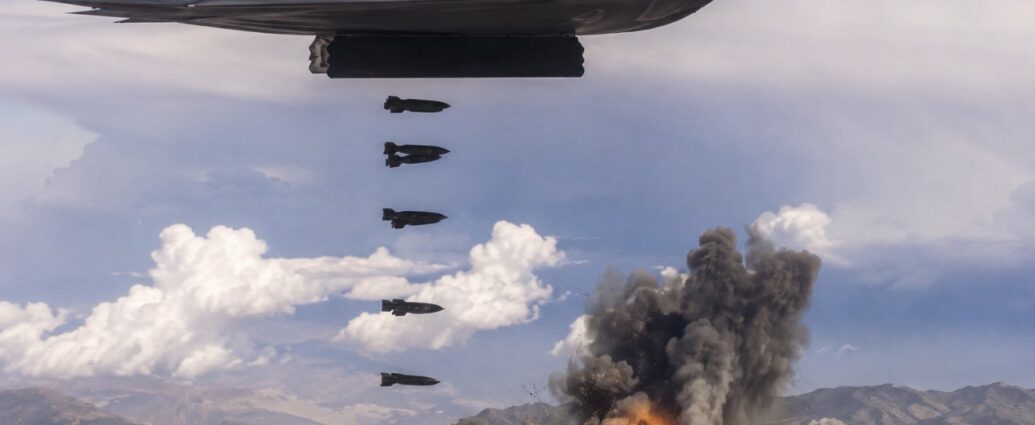
Around 7 p.m. Eastern time Wednesday, a senior U.S. official confirmed the development that abruptly reversed global oil markets: American forces had struck a new Iranian military site earlier in the day after officials said the location posed a threat to U.S. troops and commercial shipping near the Strait of Hormuz. U.S. forces also reportedly intercepted several Iranian drones operating in the area, marking the third American strike on Iran in three days.
Oil prices, which had spent most of the trading session plunging on hopes of a breakthrough peace agreement, immediately rebounded. West Texas Intermediate crude rose roughly $1.42 in late trading to about $90.10 a barrel after settling down more than 5% earlier in the session near $88.39, its lowest level since April. Brent crude, the international benchmark, climbed back toward $94 after briefly falling below $93 earlier in the day.
The sharp reversal underscored how unstable the conflict has become, with markets swinging violently between expectations of diplomacy and fears of wider war.
Earlier in the day, Iranian state media reported that a potential agreement with the United States was close, claiming discussions included a partial U.S. naval pullback from the Gulf and the gradual reopening of commercial shipping through the Strait of Hormuz under joint coordination involving Oman. The report even suggested Iran could impose transit fees on vessels passing through the strategic waterway.
Traders reacted immediately, driving oil sharply lower on expectations that supply disruptions could ease. WTI crude dropped more than 5% intraday, while Brent fell to its lowest level in more than a month.
But the White House quickly rejected the Iranian reports.
“This report from Iranian-controlled media is not true and the MOU they released is a complete fabrication,” the administration said in a statement Wednesday afternoon.
Speaking during a Cabinet meeting, President Donald Trump said he was “not satisfied” with Iran’s position and warned the United States remained prepared to “finish the job” if negotiations collapsed. Trump said Iran would not receive sanctions relief and insisted Tehran would have to surrender its stockpile of highly enriched uranium as part of any final agreement.
Secretary of State Marco Rubio attempted to calm tensions, saying negotiations were still ongoing and that a framework agreement could take several more days. Iran’s Revolutionary Guard responded by warning that renewed fighting would turn parts of the Gulf region into a “graveyard for aggressors.”
Then came confirmation of the new U.S. military strike, instantly shifting market sentiment back toward fears of escalation.
The economic consequences are increasingly visible for consumers and businesses alike. AAA reported strong gasoline demand over the Memorial Day travel period even as fuel prices reached some of their highest seasonal levels in years. Analysts warn prices could remain elevated throughout the summer if shipping through Hormuz does not normalize.
The Strait of Hormuz normally handles roughly 20% of global oil and liquefied natural gas flows. Since the conflict intensified earlier this year, commercial traffic has slowed dramatically. While two non-Iranian supertankers reportedly crossed the strait Tuesday, shipping volumes remain far below normal levels.
Inside Iran, economic pressure is also intensifying. Iranian officials acknowledged Wednesday that inflation, shortages, and falling oil-export revenues are worsening internal instability as the country struggles under mounting military and economic strain.
For oil markets, the pattern has become increasingly familiar: headlines suggesting diplomacy trigger sharp selloffs, followed by renewed military action that rapidly pushes prices higher again.
Until either a formal agreement is signed or the fighting decisively ends, traders, businesses, and consumers are likely to remain trapped in a cycle of extreme volatility — with the costs ultimately flowing through to fuel stations, supply chains, transportation networks, and household budgets worldwide.
Middle East — JBizNews Desk
© JBizNews.com All Rights Reserved. Reproduction or distribution without written permission is prohibited.