CHICAGO — For years, Americans threw away enormous amounts of food with little change from one year to the next.
Now, rising grocery costs are beginning to alter that behavior.
According to a report from ReFED, a nonprofit organization that tracks food waste across the United States, Americans discarded approximately 70 million tons of food in 2024, equal to about 29% of the nation’s food supply. While the number remains staggering, it represented a 2.2% decline from the previous year, marking the first meaningful reduction since the pandemic.
The change may appear modest, but it reveals something significant about consumer behavior.
Americans are becoming more careful.
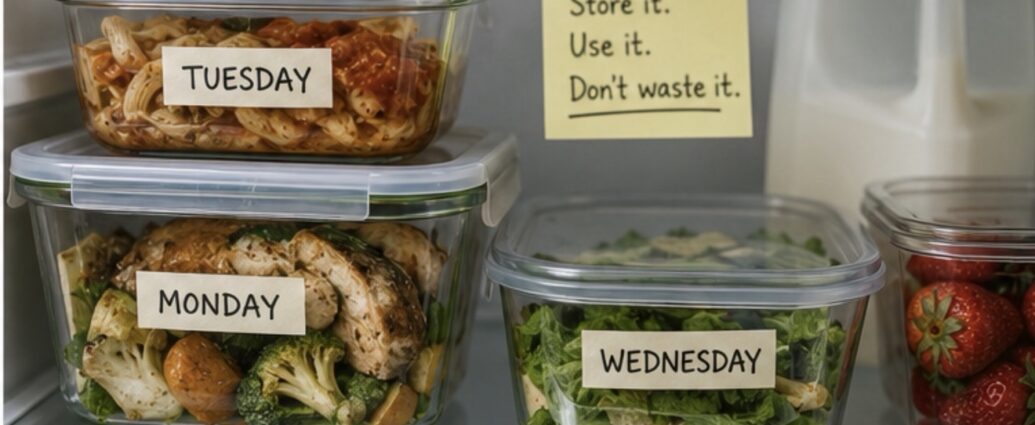
After several years of elevated food prices, households are increasingly planning meals, saving leftovers, buying more strategically, and paying closer attention to what actually gets consumed before it spoils.
What was once framed primarily as an environmental issue is increasingly becoming a financial one.
When groceries cost more, food waste feels less like a minor inconvenience and more like throwing money directly into the trash.
Consumer surveys show roughly one-quarter of Americans report making greater efforts to reduce food waste specifically to stretch household budgets.
The impact is becoming measurable.
ReFED estimates nearly one million tons of residential food waste were eliminated as families became more conscious about purchasing and consumption habits.
Much of the improvement came from simple changes involving everyday products.
Staples such as milk, produce, and frequently purchased household foods accounted for a significant portion of the decline. Households are increasingly buying only what they expect to use and finding ways to consume products before expiration.
Food donations are also increasing.
More consumers, retailers, and businesses are directing surplus food toward food banks and charitable organizations rather than disposal. That shift is helping reduce waste while supporting communities facing increased food insecurity.
The trend is creating new opportunities throughout the food industry.
Grocers are expanding programs that discount products approaching sell-by dates. Retailers are offering smaller package sizes designed to reduce spoilage. Technology platforms are connecting consumers with discounted surplus food from restaurants and stores.
A small ecosystem focused on reducing waste is emerging.
Despite the progress, the challenge remains enormous.
The United States still wastes nearly one-third of its food supply, and much of that waste occurs before products ever reach consumers. Farms, processors, distributors, and retailers all contribute to losses throughout the supply chain.
Households represent only one part of a much larger system.
Still, the shift offers an important lesson about the current economy.
The growing focus on leftovers, meal planning, and reducing waste reflects more than changing attitudes. It reflects changing financial realities.
Consumers are looking for savings wherever they can find them.
The same pressures driving shoppers toward store brands, discount retailers, and tighter budgets are also encouraging households to maximize the value of every grocery purchase.
Some of those habits may remain long after inflation fades.
Once consumers learn they can save money simply by wasting less, the behavior often becomes permanent.
For businesses, that means the value-conscious consumer is likely here to stay.
The companies helping shoppers stretch their budgets—whether through smaller portions, discounted products, or waste-reduction tools—may find themselves aligned with one of the most important consumer trends of the decade.
In a period defined by affordability concerns, reducing waste has become more than a household habit.
It has become a financial strategy.
Wall Street — JBizNews Desk
© JBizNews.com All Rights Reserved. Reproduction or distribution without written permission is prohibited.