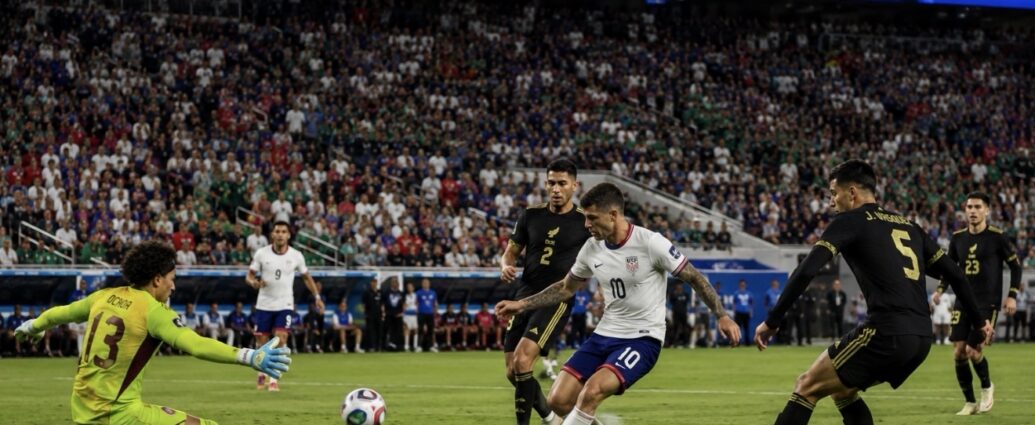
The 2026 FIFA World Cup is turning into a spending bonanza for the North American cities hosting it. Card purchases across the tournament’s 16 host cities rose 5.4% from a year earlier during the June 10 to June 28 stretch, with spending by out-of-town visitors jumping 17.4%, according to a report from the Bank of America Institute. Behind those numbers are soccer fans opening their wallets like rarely before—some laying out a few thousand dollars, others spending as much as $150,000 to follow their teams across the United States, Canada and Mexico.
The tickets alone can cost a small fortune. On FIFA’s official sales platform, seats for the 104-match tournament have ranged from about $60 to nearly $11,000, with prices adjusting based on demand. For the July 19 final at MetLife Stadium, top-tier seats that started around $6,700 climbed to $10,990, while the priciest Front Category seats reached roughly $33,000. On the resale market, premium seats for marquee knockout matches were listed for about $20,000 on StubHub as of July 2.
Add flights, hotels, rental cars, meals and merchandise, and the trip quickly balloons. Fans interviewed near matches said their total costs ranged from about $2,500 for a single-city visit to as much as $150,000 for supporters purchasing FIFA hospitality packages and following the tournament from city to city. Many described the experience as a once-in-a-lifetime opportunity worth every dollar.
The biggest financial winner is FIFA itself. In a study prepared with the World Trade Organization, soccer’s governing body projected the tournament would generate $80.1 billion in gross economic activity worldwide, including $30.5 billion in the United States alone. FIFA, which operates as a nonprofit organization, says tournament revenue is reinvested into growing the sport globally and has defended its dynamic ticket pricing by citing extraordinary demand.
For host cities, the payoff has been substantial, though uneven. A report from FCM Consulting found that 13 of the 16 host cities have experienced hotel rate increases of at least 80% compared with a year ago. In Guadalajara, average room rates climbed from about $90 last summer to $511, while Boston led U.S. markets at roughly $611 per night and Houston averaged about $205.
Even with higher room rates, not every hotel has benefited equally. Before kickoff, the American Hotel & Lodging Association reported that roughly 80% of host-city hotels were seeing bookings below expectations, with many operators pointing to visa delays and geopolitical uncertainty for softer-than-expected international travel.
That matters because overseas visitors typically spend significantly more than domestic travelers. The U.S. Travel Association estimates international visitors spend more than $5,000 each during their trips, more than $200 above the average domestic traveler. Domestic fans, however, have accounted for much of the tournament traffic, while short-term rental analytics firm AirDNA reported that a surge of new listings has limited earnings for many property owners despite strong demand.
The soaring prices have also sparked criticism. New York officials partnered with Global Citizen to host a free Central Park watch party for 50,000 fans during the final, while host cities from Atlanta to Los Angeles have organized free fan festivals for supporters unable to afford stadium tickets. Even NJ Transit faced backlash after initially proposing a $150 round-trip fare from Penn Station to MetLife Stadium on game days before reducing the price to $98. Andrew Giuliani, who leads the White House task force overseeing the tournament, has said ticket prices are simply too high.
With the knockout rounds underway and the championship scheduled for July 19, the biggest matches are expected to generate another wave of last-minute travel and consumer spending. Whether host cities ultimately realize the long-term economic gains projected by organizers remains an open question. A study by the University of Toronto found that host cities experienced a net economic loss in 12 of the last 14 World Cups, highlighting the difference between short-term spending booms and lasting financial benefits.
For now, however, the numbers are difficult to ignore. Spending is breaking records, businesses across host cities are benefiting from an influx of visitors, and fans continue paying unprecedented prices for the chance to witness soccer’s biggest tournament in person.
JBizNews Desk | New York
© JBizNews.com All Rights Reserved. Reproduction or distribution without written permission is prohibited.