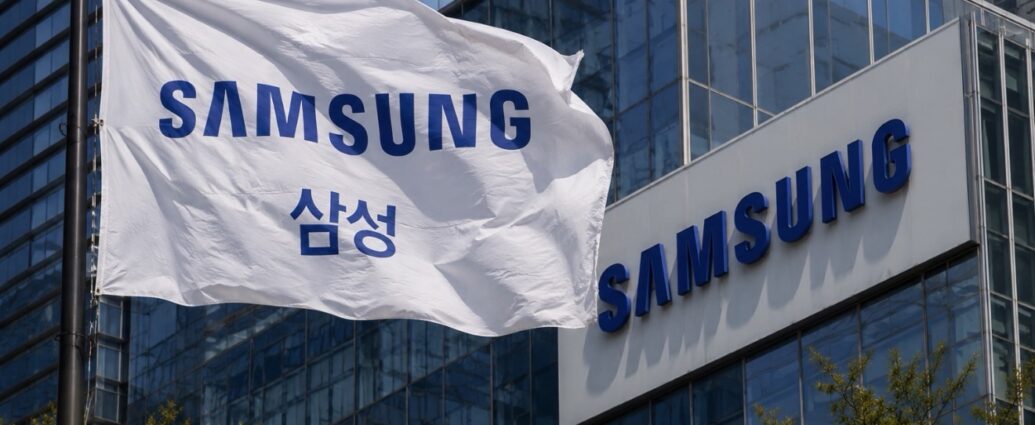
Samsung Electronics reported preliminary second-quarter results on Tuesday that shattered its own profit records, yet the numbers set off a global selloff in chip stocks that pulled U.S. markets down from record highs.
In an earnings guidance filing, Samsung said operating profit for the April-to-June quarter reached roughly 89.4 trillion Korean won, about $58.4 billion — a nearly 19-fold jump from the 4.7 trillion won it earned a year earlier. Revenue came in around 171 trillion won, roughly 130% higher than the same quarter in 2025. The surge was powered by record sales and soaring prices for memory chips — DRAM, high-bandwidth memory and NAND flash — that feed the world’s artificial-intelligence servers.
It was Samsung’s third straight record quarter, and the profit figure cleared Wall Street’s consensus of about 87.3 trillion won. But investors sold anyway.
Samsung shares closed nearly 7% lower in Seoul, and South Korea’s KOSPI index tumbled more than 7%. The reason was simple: the stock had already run up roughly 150% this year, so a blockbuster quarter was baked into the price. “The stock had priced in a historic quarter for months,” said Zavier Wong, a market analyst at eToro, adding that confirmation of good news is often what people sell into.
The selling crossed the Pacific. The Nasdaq Composite fell 1.16% to 25,818.69, while the S&P 500 slid 0.45% to 7,503.85. The Dow Jones Industrial Average lost 130.76 points, or 0.25%, to close at 52,925.15 after earlier touching a new all-time intraday high.
Chipmakers led the retreat. Micron closed down 4.7%, with KLA, Marvell Technology, Broadcom and AMD also falling, and the VanEck Semiconductor ETF dropped more than 3%. Adding to the pressure, Reuters reported that China’s DeepSeek is building its own AI chip, a potential new threat to Nvidia.
Beneath the one-day move sits a bigger worry: whether the AI spending boom that has driven memory prices to extraordinary levels can keep going. Samsung’s results were “dragged down by concerns that AI infrastructure spending can’t keep growing at the pace that has been driving memory prices,” Wong said. The chip rally has been the engine of this year’s stock gains, so any doubt about its staying power hits the broad market, not just tech.
Analysts flagged how high the bar has climbed. Adam Crisafulli of Vital Knowledge noted that second-quarter earnings are likely to be strong in absolute terms, but expectations are now far more bullish than they were heading into the first-quarter season, leaving little room to disappoint. Albert Yong, managing partner at Petra Capital Management, said Samsung’s strong results had largely been priced in after the share rally, and that investors remain worried about the durability of the AI boom.
For everyday Americans, the connection runs through retirement accounts. The biggest 401(k) and index-fund holdings are heavily weighted toward the same handful of chip and technology names that swung Tuesday. When a single earnings report in Seoul can knock a percentage point off the Nasdaq, it shows how concentrated the market has become around the AI trade — and how much ordinary savers are riding on it.
There were pockets of strength. Samsung’s foundry business returned to monthly profitability in June for the first time in three years, and the company has secured a $16.5 billion contract from Tesla to manufacture AI chips. Rival SK Hynix has seen its market value more than double this year on the same memory demand.
Samsung releases full second-quarter results on July 30, when investors will see exactly how much of the record profit came from the memory business and whether the mobile division absorbed higher chip costs. Until then, the market’s message is clear: even a historic earnings report is no guarantee of higher share prices when expectations have already reached extraordinary levels.
JBizNews Desk | Seoul, South Korea
© JBizNews.com All Rights Reserved. Reproduction or distribution without written permission is prohibited.