By Julia Parker – JBizNews Desk
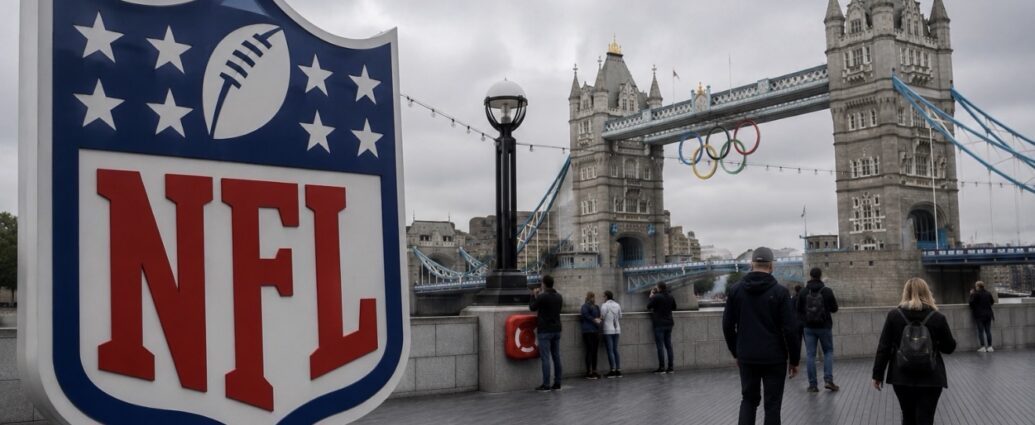
NEW YORK — National Football League executives are accelerating a renewed push into Europe, aiming to turn international games, sponsorships and media deals into a larger revenue stream for team owners after an earlier European venture lost about $400 million. The strategy matters for broadcasters, sponsors and investors because the league is seeking growth beyond a mature U.S. market.
The effort is being led in part by Chief Marketing Officer Tim Ellis, as the NFL works to deepen its presence in London, Germany and Spain through regular-season games, local partnerships and year-round fan engagement. The league is not simply reviving NFL Europe, the standalone development league that shut down in 2007 after years of losses.
Instead, the NFL is exporting its core product: games featuring established U.S. franchises whose brands already command premium television audiences and sponsorship rates. Owners have approved expanding the international schedule to as many as eight regular-season games a year, giving the league more inventory to sell without creating new teams or bearing the fixed costs that weighed on its earlier model.
“Becoming a global sport is a major strategic priority for the league and 32 teams,” Commissioner Roger Goodell said when owners approved the expanded international-game framework. “Increasing international games will allow us to expand our global footprint and share our game with more fans around the world.”
The commercial stakes are significant. The NFL remains the most powerful sports property in the United States, but domestic media-rights growth is increasingly tied to already-large contracts with television networks and streaming platforms. International markets offer additional sponsorship categories, merchandise sales, ticket revenue and audience data that can support future rights negotiations.
Europe is central to that plan because the league has already established regular-season demand there. London has hosted NFL games for years, Germany has delivered strong attendance and television interest, and Spain is becoming part of the league’s next phase. The NFL’s bet is that scarcity — a limited number of meaningful games — can create stronger pricing power than a full local league did.
For teams, the expansion creates new commercial territory. Through the league’s Global Markets Program, clubs can build fan bases, sell sponsorships and stage events in assigned countries. That gives owners another path to increase franchise value, particularly as private-equity investors and institutional capital show growing interest in sports assets.
The challenge is converting curiosity into durable spending. American football still competes in Europe with soccer, Formula One, tennis and basketball for media attention, corporate sponsorship and consumer time. The NFL also faces logistical costs, travel concerns for players and the need to make games accessible to fans in different time zones.
Media distribution will be a key test. Streaming has made it easier for overseas fans to follow teams without relying solely on traditional broadcasters, while social platforms give the league a cheaper way to market highlights and personalities. But sustained revenue growth will depend on whether international audiences watch full games, buy merchandise and support sponsors beyond one-off events.
The league’s current approach reflects a more disciplined business model than its earlier European experiment. Rather than funding a parallel league, the NFL is using established franchises, existing broadcast relationships and sponsor demand to test how much international revenue can be added with relatively limited new infrastructure.
If successful, the European push could provide the NFL with a template for broader global expansion while giving owners another lever for revenue growth. If demand proves shallow outside marquee events, the league may again face limits on how far America’s biggest sport can travel commercially.
JBizNews Desk | New York
© JBizNews.com All Rights Reserved. Reproduction or distribution without written permission is prohibited.