An American cheese wheel, refrigerator or steel beam crossing into Canada this morning costs 15 to 50 percent more than it did last night.
Canada’s retaliatory tariffs took effect at 12:01 a.m. today, covering $27.6 billion of American products at rates running from 15 percent to 50 percent. Each product’s rate was set to match whatever Washington charges on the same goods coming the other way. Ottawa calls it dollar for dollar, and it is meant literally.
The list runs past 700 categories. Steel and aluminum products that had been carrying a 25 percent Canadian duty now carry 50 percent, and furniture, clothing and apparel were put in the same top bracket. Appliances, cheese and other dairy, fish and seafood sit at 25 percent. Agricultural equipment, pulp and paper, plastics and electronics round out the target sectors.
For an American exporter, the arithmetic is brutal on the highest band. Ship $100,000 of steel north and $50,000 of duty rides on top of it. On appliances and cheese, it is $1 in every $4.
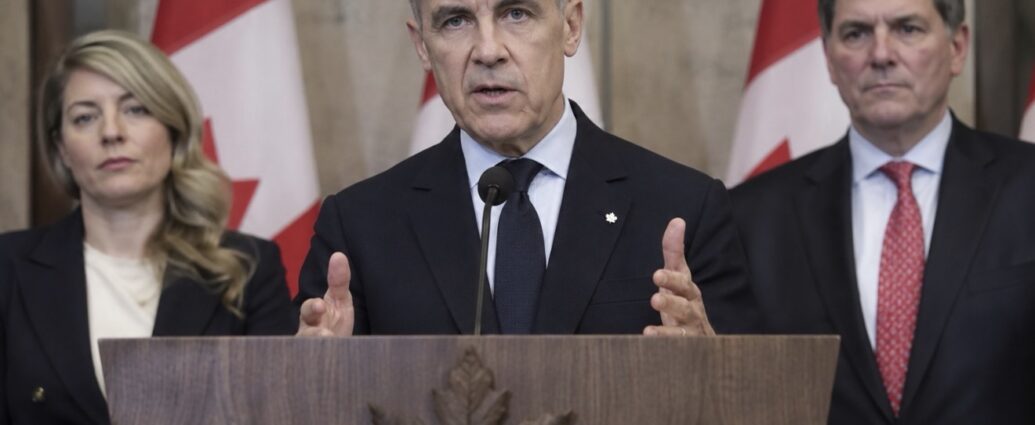
This is the answer to a punch. Washington put a 50 percent tariff on $27.6 billion of Canadian goods on Aug. 22 under Section 338 of the Tariff Act of 1930, hours after three days of talks fell apart late on a Friday night. Prime Minister Mark Carney said the American side came in at the end with terms that were “uneconomic, unfair” — in his words, they asked too much and offered too little. U.S. Trade Representative Jamieson Greer told it the other way, saying Canada walked back commitments already agreed to.
Nothing has moved since. Carney said last week that Canada will sit down “when the Americans are ready,” while Commerce Secretary Howard Lutnick accused Ottawa of tacking on truck tariff relief in the final hours before the deadline. Trump answered on Truth Social, predicting Canada’s economy would collapse before its politicians got anything out of making him the enemy.
There are two relief valves for American shippers. Goods already in transit to Canada when the tariffs came into force are exempt, so orders that left the yard over the weekend clear at the old rate. Canada’s tariff remission framework also stays open, meaning importers on the other side can apply for exceptional relief — which is where American suppliers with a sole-source Canadian customer should be pushing right now.
Ottawa paired the tariffs with a $7.5 billion support package for its own workers and businesses, a sign it expects this to last. Formal talks on renewing the U.S.-Mexico-Canada Agreement have started with Mexico. With Canada, they have not started at all.
JBizNews Desk | Washington, D.C.
© JBizNews.com All Rights Reserved. Reproduction or distribution without written permission is prohibited.