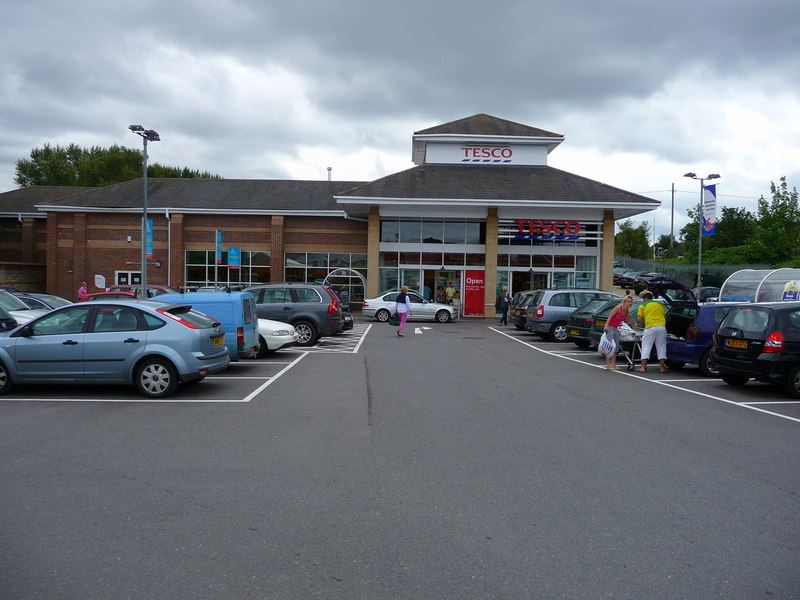
Photo: Chris Talbot, Wikimedia Commons, CC BY-SA 2.0. Image resized.
Prices in British shops rose at their fastest annual pace in two and a half years in October, according to figures released Tuesday by the British Retail Consortium, adding pressure to household budgets ahead of the government’s Budget.
The BRC’s shop-price monitor showed annual inflation of 2.1%, up from 1.4% in September. Food inflation increased to 2.9% from 2.5%, while nonfood inflation rose to 1.7% from 0.8%. The figures cover prices collected October 1-7.
Groceries that keep on the shelf lead the increase
Fresh-food inflation held at 2.6%. The bigger change came in ambient food, the category covering groceries that do not need refrigeration: its inflation rate rose to 3.2% from 2.2%.
These are changes from a year earlier, not price increases over a single month. A slower inflation rate would still mean prices were rising; October’s figures instead show the annual pace picking up.
The measure tracks shop prices, not the full cost of living. Rent, household energy bills and services can move differently, so the 2.1% reading should not be read as a measure of every expense facing a British household.
Retailers say costs are reaching the checkout
BRC Chief Executive Helen Dickinson said higher energy and transport costs were pushing up nonfood prices, with furniture, flooring and do-it-yourself products particularly affected. She said retailers had absorbed costs for two years but were finding it harder to continue doing so.
The BRC is a retail trade group, and its warning came with policy demands ahead of the Budget. It urged the government to cut employment costs, cancel a planned 3.5% business-rates increase and remove shops from a high-value surtax. Its prediction that prices could keep rising is a forecast and an argument for those changes, not an announced outcome.
Mike Watkins, head of retailer and business insight at NIQ, said price cuts by food retailers since the end of summer had delayed some of the impact of supply-chain pressures. He said retailers selling discretionary nonfood goods would become more reliant on promotions as consumers grew cautious amid higher energy and fuel costs.
For shoppers, the report describes a renewed squeeze rather than a uniform increase on every item. Fresh-food inflation was unchanged and promotions still offered savings on selected products, even as the broader food and nonfood measures accelerated.
JBizNews Desk | London
© JBizNews.com. All rights reserved. Unauthorized reproduction or redistribution is strictly prohibited.