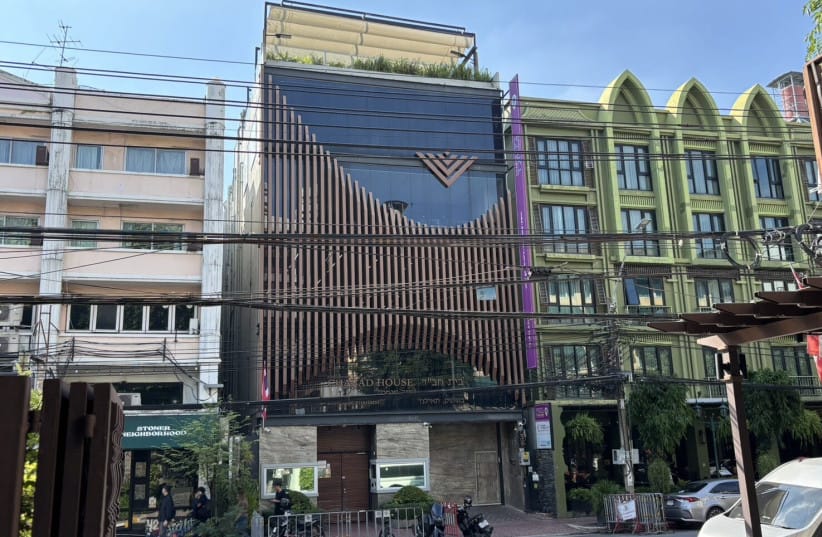
Thailand has intensified its measures against Chabad institutions in the country, after Thai Prime Minister and Interior Minister Anutin Charnvirakul signing an order revoking the citizenship of Rabbi Yosef Chaim Kantor, the head of Chabad in Thailand and a prominent figure in the country’s Jewish community for more than three decades.
The decision comes amid a series of investigations and raids targeting Chabad institutions, including the site of a synagogue reconstruction project in Bangkok.
The official order, signed on Wednesday, October 28, alleges that Kantor continued to use his American citizenship after becoming a naturalized Thai citizen in 2013. According to an investigation by Thailand’s Justice Ministry, Kantor used his American citizenship on 16 occasions when entering and leaving Australia, most recently on January 26 of this year.
Thailand‘s Interior Ministry maintains that Kantor’s actions violated the conditions he agreed to when applying for Thai citizenship.
The order cites Section 19(2) of Thailand’s Nationality Act, which addresses conduct that threatens national security, the economy, or society, or violates public morality.
The document states that Kantor knew the naturalization requirements when he submitted his application. It also warns that “if action is not taken promptly, serious harm could be caused to the public and the public interest.”
Based on these findings, the interior minister ordered the revocation of Kantor’s Thai citizenship.
Thai authorities investigate Chabad institutions in Bangkok
The decision follows a series of raids conducted in early October by Thailand’s Department of Special Investigation (DSI), police, tax authorities, and other government agencies.
Authorities searched several institutions in Bangkok, including the Chabad Foundation, the offices of “Gan Chabad,” and the Jewish Association of Thailand.
Among the locations inspected was the historic Beit Elisheva Synagogue complex, which is undergoing renovations and reconstruction.
Investigators seized documents, reviewed business registration records, and reportedly identified foreign workers without valid permits. Authorities also examined the registration of more than 60 companies at a single address.
The investigations focus on suspicions that Thai “nominees” were used to circumvent restrictions on foreign ownership of businesses and real estate. Authorities are also examining funding sources and donations.
However, the order revoking Kantor’s citizenship does not accuse him of involvement in the alleged financial offenses under investigation. Instead, it is based specifically on his continued use of American citizenship.
Meanwhile, protests are being organized against the Chabad House in Patong, Phuket, with demonstrators using anti-Israel and, at times, antisemitic slogans.
The protests come amid allegations concerning land ownership and business activities that have not been substantiated.
Thai prime minister defends citizenship revocation
Anutin defended the decision in parliament, saying that “everything was done according to the law.”
He said individuals granted Thai citizenship must comply with the requirements of naturalization and referred questions about further proceedings to the relevant authorities.
Kantor arrived in Thailand in 1993 and has since become a leading figure in religious and community activities serving Jews and Israelis throughout the country.
He has not yet issued an official response to the decision. Chabad Thailand previously said it was cooperating with the investigations and had nothing to hide.
Members of Thailand’s Jewish community have expressed concern over the developments, viewing the revocation of Kantor’s citizenship as another sign of growing pressure on Jewish and Israeli institutions in the country.