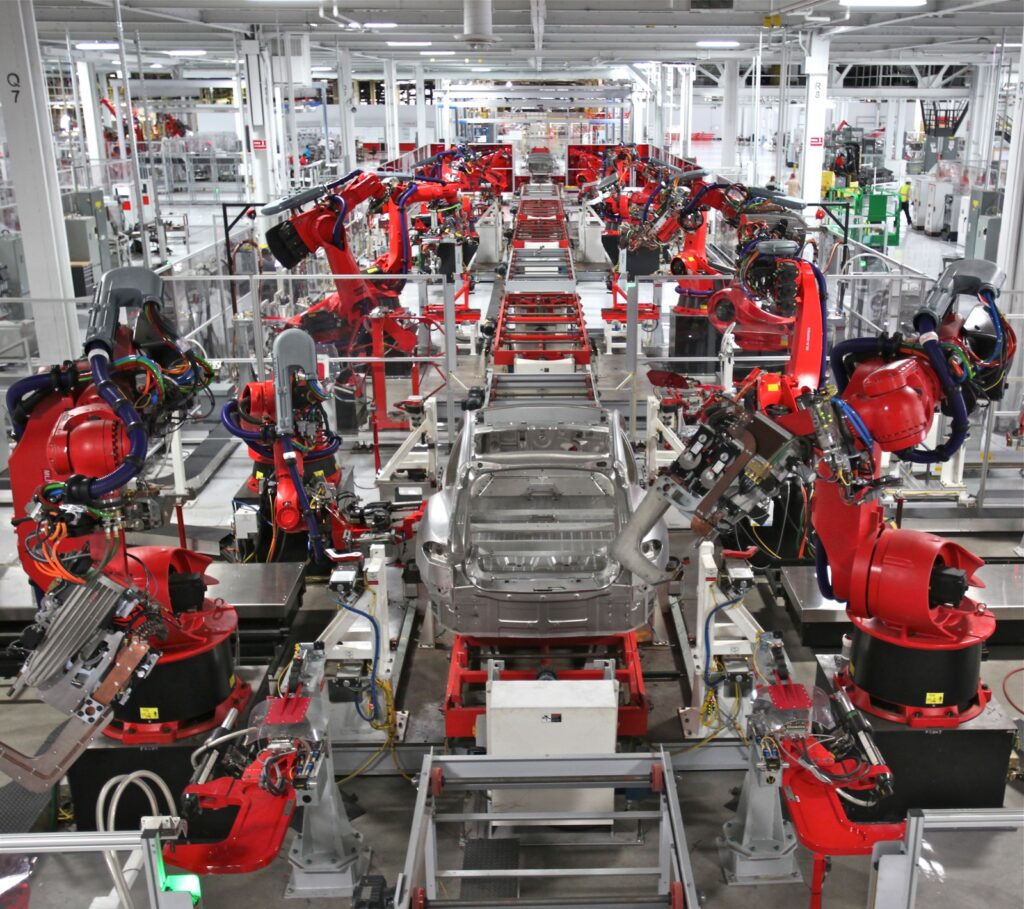
Photo: Steve Jurvetson / CC BY 2.0 (archive)
The White House highlighted manufacturing hiring, wage gains and business investment on Tuesday as evidence of what it called an American manufacturing renaissance. Federal data support its headline jobs and pay figures, while the investment measure covers a wider part of the economy than factories alone.
In a November 3 release, the administration said manufacturers had added 72,000 jobs this year and workers’ weekly earnings had risen 5% over the past year. It credited President Donald Trump’s policies for the gains, a policy judgment separate from the underlying statistical changes.
What the jobs and wage figures show
The Bureau of Labor Statistics’ seasonally adjusted manufacturing series shows payrolls rising from 12.580 million in December 2025 to a preliminary 12.652 million in September 2026. That is a net increase of 72,000 jobs through the latest month shown, rather than a count of jobs added through November.
Manufacturing average weekly earnings rose from $1,428 in September 2025 to a preliminary $1,498.95 in September 2026 in the BLS earnings table. The increase is about 4.97%, consistent with the White House’s rounded 5% figure. These are nominal earnings, before adjusting for inflation.
The net payroll figure also does not mean every manufacturing industry added jobs. The BLS sector table shows different paths across durable and nondurable goods, and its most recent monthly estimates remain subject to revision.
Business investment is broader than factory construction
The White House also cited a 12.7% increase in third-quarter business investment. A November 2 Treasury statement, citing the advance GDP estimate, identifies that figure as the annualized growth rate of business fixed investment. It is not a 12.7% unannualized quarter-to-quarter increase in manufacturing spending.
Treasury’s account includes equipment, intellectual property and structures, with AI-related spending among the drivers. It reported equipment investment rising at a 20.9% annual rate and structures investment increasing at a 5.4% annual rate in the quarter. Those categories include activity beyond manufacturing plants.
The administration’s release also pointed to stronger machine-tool orders and several announced corporate projects. Announced investments and proposed jobs are different from completed construction, operating capacity or people already on payrolls; the release does not establish that all of those projects have been delivered.
The figures offer a way to track the administration’s manufacturing case, but they do not by themselves isolate how much of the change came from tariffs, tax policy, demand, technology spending or other factors. Future payroll revisions and investment reports will provide a fuller measure of whether the gains persist.
JBizNews Desk | Washington
© JBizNews.com. All rights reserved. Unauthorized reproduction or redistribution is strictly prohibited.