Photo: Juan Barbosa / Reuters
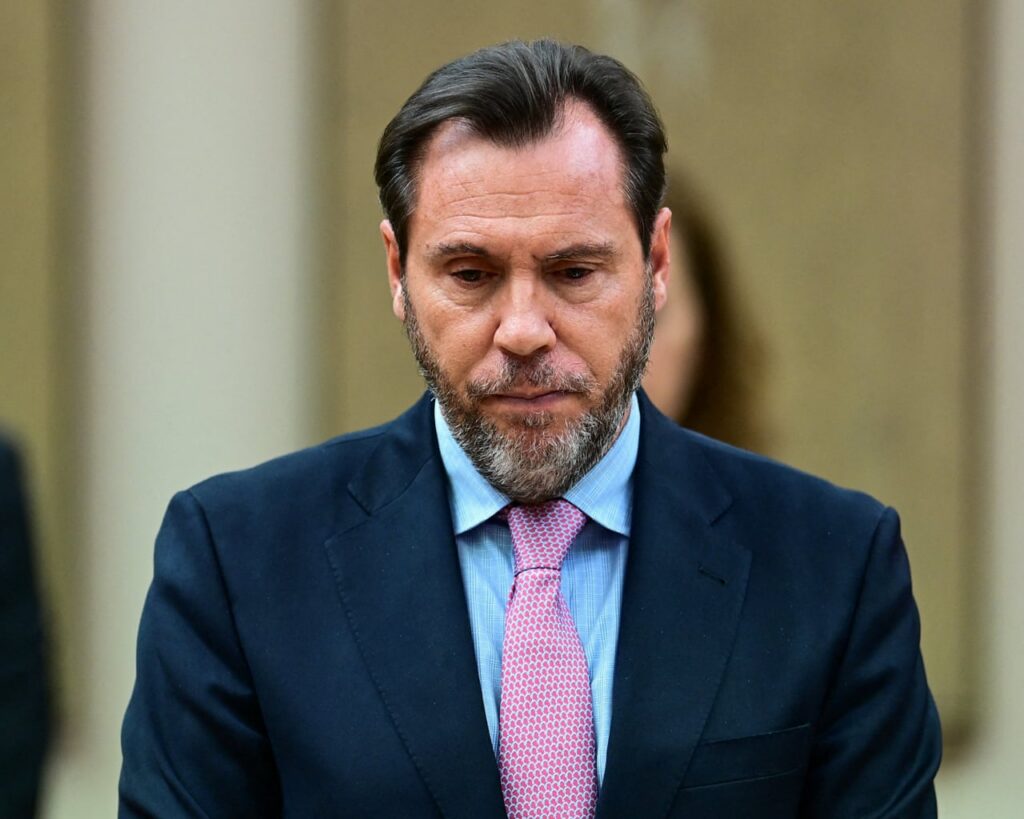
Spain’s Transport Minister Oscar Puente resigned Tuesday and withdrew as a candidate in the November 29 general election, six days after a train collision near Urda killed 69 people. The departure turns the rail disaster into a direct political setback as the government faces pressure over safety and public confidence.
Puente announced the decision at the end of a lengthy appearance before lawmakers, reversing his earlier refusals to step down. AFP, in a report published by The Guardian, said the crash was among Europe’s deadliest railway disasters this century.
“I wish to inform you that I am not only stepping down from my position as minister of transport, but that I am also withdrawing my name from the lists for the early legislative elections on 29 November,” Puente told parliament, according to AFP.
Safety failures and accountability under scrutiny
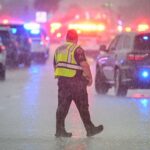
The collision happened Wednesday, October 28, outside Urda, about 80 miles south of Madrid. A train operated by state-owned Renfe struck the rear of a stationary train operated by private company Iryo, AFP reported.
According to that account, a failure in an automatic safety system had stopped trains along a 39-mile section of track, but a control center authorized the Renfe service to continue. Opposition politicians and unions criticized Puente for appearing to place all responsibility on a single control-center operator.
That sequence of events and the criticism of the minister are distinct from a final allocation of legal or technical responsibility. His resignation does not itself establish the cause of every failure or settle who is liable for the disaster.
Hours before announcing his departure, Puente presented measures he said would help restore confidence in high-speed rail. They included software to issue automatic warnings and identify traffic anomalies, along with a proposed AI agent to oversee the system and reduce the risk of human error.
He also said that when a control-center operator makes a decision while the automatic safety system is down, a second operator would need to confirm it. Working conditions for control-center staff would be reviewed, including breaks and fatigue monitoring, AFP reported. These were announced proposals, not evidence that new safeguards were already operating.
Rail disruption meets an election campaign
The train drivers’ union Semaf has called strikes at Renfe for November 10 and 12, citing worsening working conditions and the use of degraded systems. Critics argue that maintenance spending has not kept pace with rising passenger numbers since Spain opened its rail market to private competition in 2021.
For passengers and businesses relying on rail travel, the immediate concerns are safe service, potential strike disruption and whether the proposed changes will be implemented. For the government, the challenge is restoring trust before voters go to the polls on November 29.
Prime Minister Pedro Sanchez’s Socialists were trailing in opinion polls, AFP reported. The Urda crash follows another high-speed rail collision in Andalusia in January that killed 46 people, increasing scrutiny of the network during the campaign.
Puente also announced a €30 million aid package for the families of those killed and the people injured. His resignation leaves the government to carry forward those commitments and the safety proposals while the political consequences of the crash continue to unfold.
JBizNews Desk | Madrid
© JBizNews.com. All rights reserved. Unauthorized reproduction or redistribution is strictly prohibited.