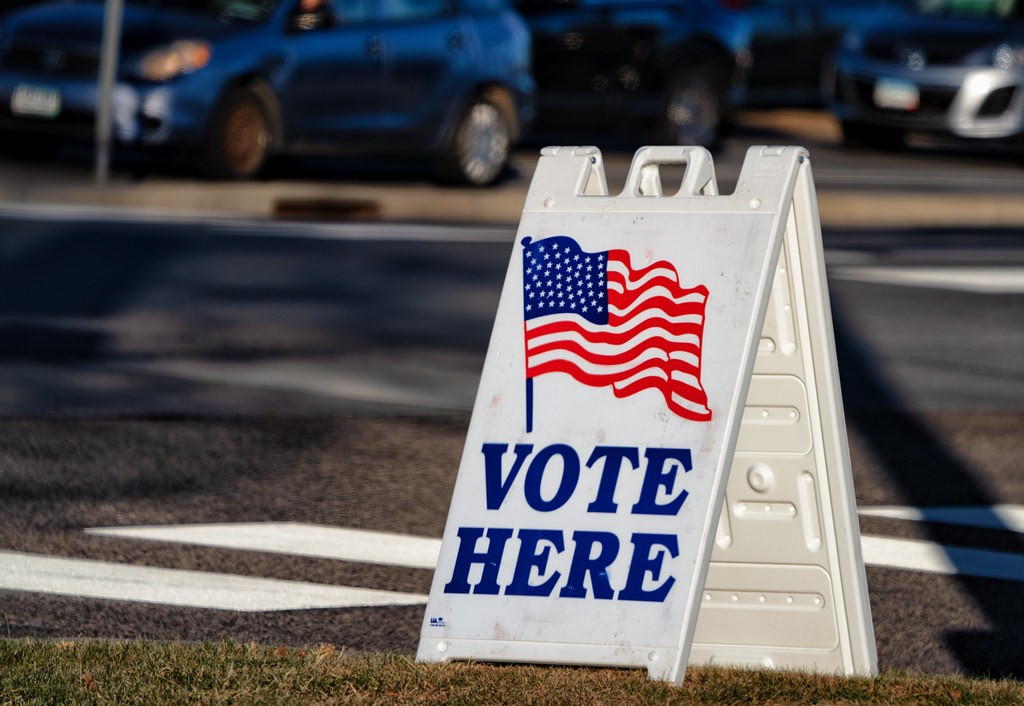
Photo: Tony Webster / Wikimedia (archive)
ChatGPT pulled voting information from the nonprofit Democracy Works more than 16.5 million times during the midterm election cycle as of Tuesday afternoon, OpenAI told The Hill. The figure measures requests for practical election information, such as where to vote and what identification is required, rather than a count of individual voters.
The estimate, reported Tuesday, excludes questions about particular races, candidates and election issues, as well as requests for guidance on ballot choices. It is not a tally of votes cast, unique people reached or people whose voting decisions were influenced.
The distinction matters because a single person can ask several logistical questions. OpenAI’s figure describes use of a data source inside its chatbot, not voter turnout or an election outcome. The company expected the total to rise as Election Day continued, The Hill reported.
Local election information behind a chatbot answer
Democracy Works, a nonpartisan nonprofit based in Brooklyn, compiles election information and works with state and local election officials to keep it current. Its partnership announcement says its Elections API covers federal, state, county, municipal, submunicipal and school board elections for jurisdictions with more than 5,000 people.
An API lets one service retrieve information from another. In this case, it supplies voting locations, registration help, identification requirements and related election guidance that ChatGPT can use in responding to a user’s question. The coverage description should not be read as a promise that every local jurisdiction is included.
The nonprofit says it monitors changes during the election period, including emergency polling-place changes and extended voting hours. That updating work is important for logistical questions: a correct address or deadline from an earlier point in the campaign may no longer answer what a voter needs on Election Day.
OpenAI and Democracy Works announced the partnership in May. In an October update, OpenAI said the integration was live in the United States across languages and that responses included links to official election sources so users could check the details.
Usage does not measure accuracy or political impact
Josh Lawson, OpenAI’s head of civic and strategic risk, described the partnership as a “data freshness layer” in a briefing last month, according to The Hill. He said Democracy Works gathers reliable information from election offices and tracks changes throughout the election period.
The 16.5 million figure shows the scale at which OpenAI says the integration was used. By itself, it does not measure how accurate every answer was, whether a user followed the guidance or how the person voted. The Hill said this was OpenAI’s first election cycle partnering with Democracy Works, which also works with Anthropic and Google.
For voters, the practical value is access to current local rules without searching through several pages. OpenAI’s own guidance still identifies election officials as the authority on voting rules and certified results. The usage estimate provides no race results and is not a basis for calling any contest.
JBizNews Desk | New York
© JBizNews.com. All rights reserved. Unauthorized reproduction or redistribution is strictly prohibited.