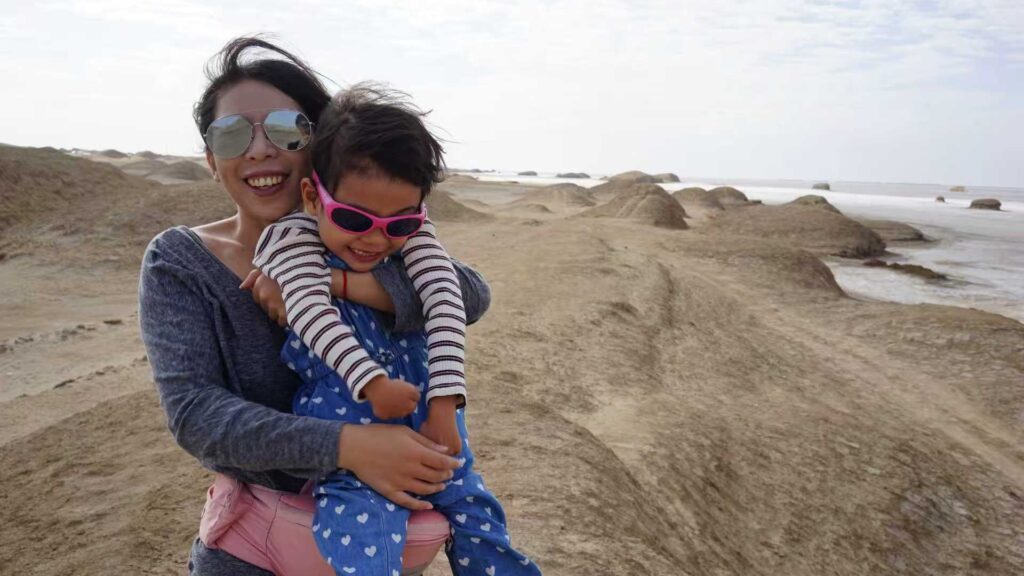
SHANGHAI — Juan Huang noticed her 13-year-old daughter, Huangxi, was leaning out of her stroller, so she undid the buckles, scooped her out, and laid the length of her — long, loose, rail thin — across her lap.
In 2014, doctors here had no answers for why 16-month-old Huangxi suddenly couldn’t stand or walk anymore. It took two years and a flight to Massachusetts to diagnose a genetic disease never identified in China, and even the Boston Children’s Hospital doctors couldn’t offer any treatments.
But much has changed in the decade since. Chinese hospitals became sophisticated centers for diagnosing and treating rare disease. And a foundation Huang works for helped push genetic treatments into trials, at a fraction of the cost in the U.S. It was on track to start two more trials — until this summer, when deaths, news reports, and new government rules upended those plans.
The government has become “very strict,” she said, as she stroked Huangxi’s back on a bench on the banks of the Huangpu River.
Huang, who worked as an engineer before her daughter’s diagnosis, and her Hope for Rare Foundation were pursuing investigator-initiated trials (IIT), a Chinese regulatory pathway that allowed investigators to start clinical trials without sign-off from central regulators. The loosened rules enabled Chinese companies to test drugs in humans faster and cheaper and prompted U.S. companies to either come to China or push the Food and Drug Administration to adopt a similar approach.