- In today’s CEO Daily: Are leaders rejoicing, lawyering up, or lying low?
- The big leadership story: Elon Musk’s big spending yielded little at the ballot box.
- The markets: Mixed globally after a post-midterms rally.
- Plus: All the news and watercooler chat from Fortune.
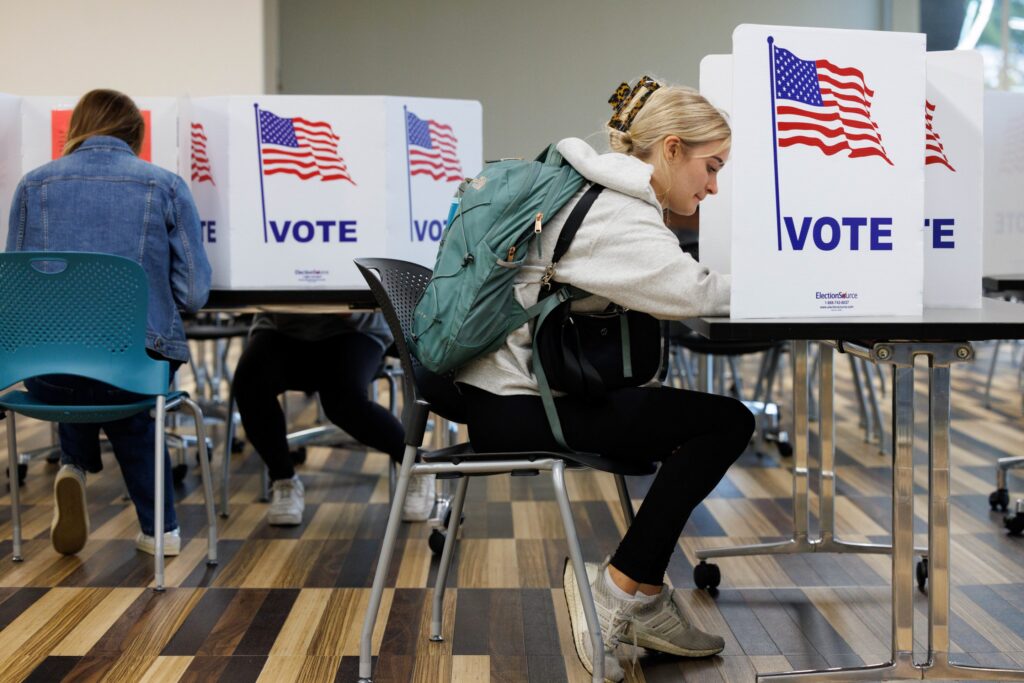
Good morning. I called several sources at crisis communications firms yesterday, wondering how their clients in tech, crypto, manufacturing, health care, law, and other policy-sensitive sectors might be reacting to the Democratic sweep of Congress. Are they rejoicing? Lawyering up? Trying to stay off camera during presidential press conferences that reference ballrooms and meme coins?
Astute business leaders have long understood the need to stay neutral amid demands for political loyalty and largesse because no party lasts forever. One communications leader said they’re telling clients to “start talking about 530A accounts,” as Trump Accounts are also known. Another said their health care client is “breathing easier” in the hope that insurance subsidies might be restored. But the election also revealed the depth of concern around issues that business has to deal with head-on.
First is the data center debate. Tech companies have poured billions into building out AI infrastructure in once reliably red states like Texas and Ohio. Voters on Tuesday supported efforts to block data center development in all but one of the 38 local ballot contests with completed counts. That will affect the amount of planned capacity that comes online, potentially slowing down AI adoption and development. Business leaders need to address the real and perceived costs of data centers, but such facilities are also a surrogate for fears about AI job losses. A lot of CEOs say the goal is augmentation over elimination, but that’s a hard case to make when companies like Microsoft offer buyouts to 60,000 employees.
When it comes to the affordability questions, CEOs need to examine real wages, which have largely stagnated in recent months as prices have climbed. They might want to take a cue from Jason Buechel, CEO of Whole Foods and vice president of Amazon Worldwide Grocery Stores, who recently made a $230 million pledge to offer higher pay, benefits, and college perks to more than 100,000 Whole Foods workers.
The bigger lesson here is to pay attention to what really matters. I spoke yesterday with Tim Gerend, the CEO of Milwaukee-based Northwestern Mutual, who turned out to be the perfect antidote to getting in the weeds of who won where and why.
Yes, he’s thinking about AI and a changing policy environment, but he’s more focused on opportunities to help people build financial security in an era in which the government seems less able to meet those needs, regardless of who’s in power. “Younger folks…really feel like no one is looking out for them,” he said. “People are more responsible for their own retirement security than they’ve ever been … and they’re not going to find that in crypto or the prediction markets or leveraged ETFs.”
Running a 170-year-old mutual company might seem to give him the luxury of taking the long view, but, Gerend said, “we don’t have the luxury of being slow … in an AI world, the shot clock on everything is shorter.” As for how to build trust? “In order to be trusted, you’ve got to do things that are trustworthy.”
Contact CEO Daily via Diane Brady at diane.brady@fortune.com
This story was originally featured on Fortune.com