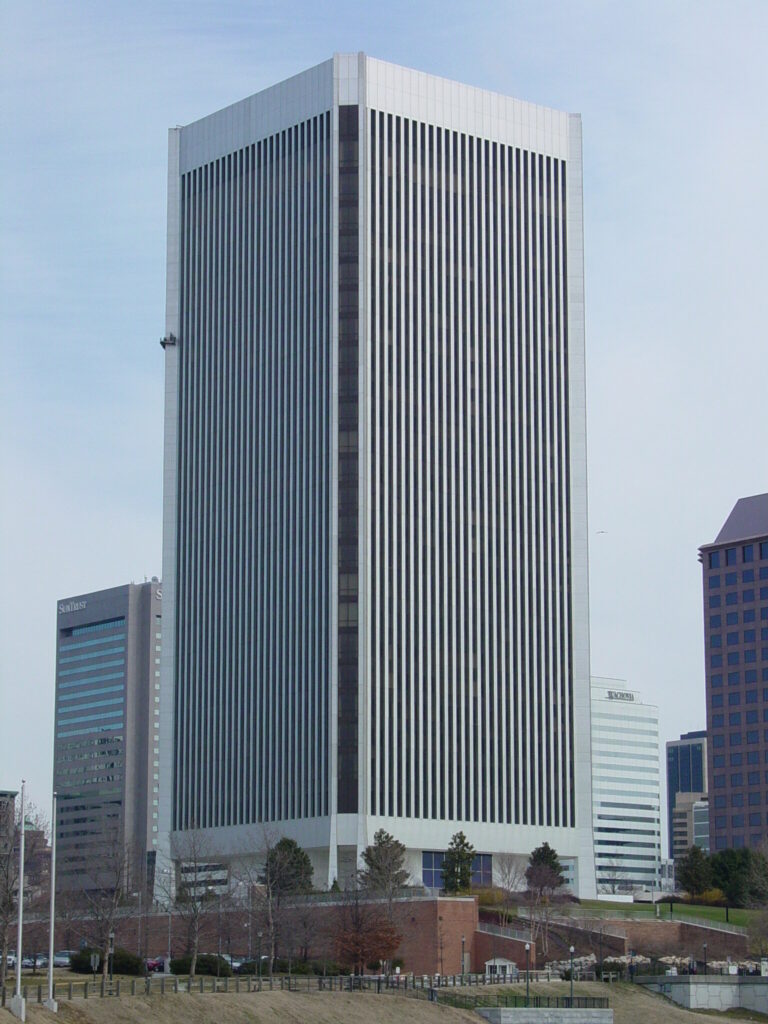
Photo: The Federal Reserve Bank of Richmond / Ben Schumin, Wikimedia Commons / CC BY-SA 3.0
By: JBizNews Desk 🌎
A top Federal Reserve official said Thursday that he expects the U.S. central bank will have to raise interest rates again, though not necessarily quickly. “Unemployment’s near record lows, and inflation is too high. That means the path is pretty straightforward. The question, of course, is pace,” Richmond Fed President Thomas Barkin said in an interview with CNBC’s Steve Liesman at the Richmond Fed’s 2026 CFO Summit.
“Gradual makes sense if you think there’s uncertainty in the world, and if you think that there’s information you’re going to get in the period. And I think that’s still a pace that makes sense to me,” he added.
Barkin does not hold a vote on interest rates this year, so his remarks are one official’s outlook, not a decision. He becomes a voting member of the Fed’s rate-setting committee in 2027, CNBC reported. A little more than a week ago, the committee held its benchmark rate in a range between 3.75% and 4%. When officials approved a quarter-point increase in September, most expected another hike before the end of 2026.
Barkin said current policy is close to neutral, the level that neither slows nor stimulates the economy, and may even be “a little bit accommodative,” because consumer spending, roughly two-thirds of the economy, remains elevated. Inflation, he said, “is the most important risk right now,” adding that he hopes the September move “and whatever else we might choose to do in the future will have some impact on inflation.” Artificial intelligence is one source of price pressure today, he said, though he expects it eventually to boost production and help ease prices.
Traders are pricing a better than 80% chance of a rate hike at the Fed’s December meeting, then one more move in 2027, according to CME Group’s FedWatch tool.
What it means for you: nothing changed today. Barkin was sharing his own view, and no rate decision was made. But if the Fed does raise rates again, borrowing gets more expensive: credit-card and auto-loan rates tend to follow, and mortgage rates can stay higher for longer. Savers, meanwhile, keep earning more on bank deposits and money-market funds.
JBizNews Desk | Richmond
© JBizNews.com. All rights reserved. Unauthorized reproduction or redistribution is strictly prohibited.