Israel Heart2Heart plans to launch a fundraising campaign on Monday, November 9, to support weekly trauma-sensitive yoga sessions for Israeli veterans living with post-traumatic stress disorder (PTSD), the organization said.
The campaign, called “Breathing Again, Living Again,” is intended to help fund regular sessions within a broader support program for people affected by trauma during military service and their families.
On its fundraising page, the organization said its program was expanding from two annual cohorts to four, but that demand still exceeded capacity. It said each cohort attracted more than 200 applications for 17 places.
The campaign page describes at least 18 months of support free of charge, combining community activities and body-mind practices with personal mentoring, help returning to work and studies, and assistance accessing benefits.
The aim is to maintain support after participants return home from retreats, when relief can give way to the pressures of daily life, Shmil Atlas of Israel Heart2Heart said in the supplied material.
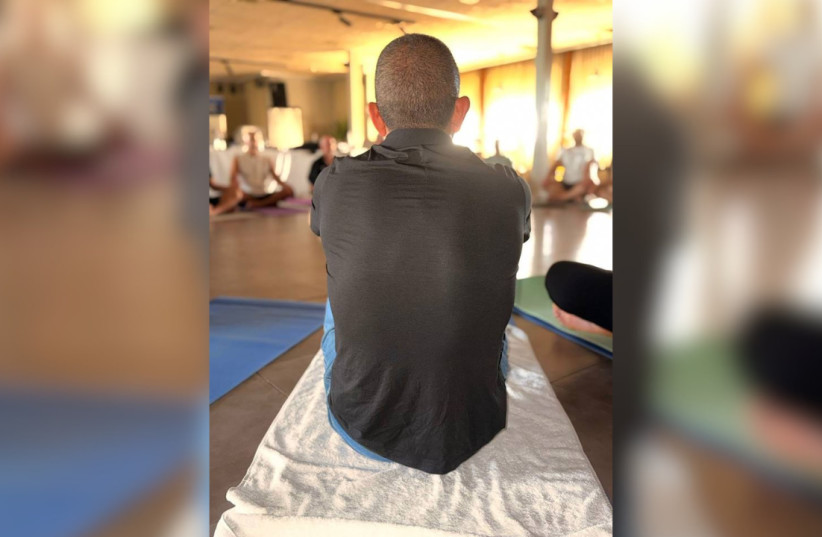
“People think the hard moment is the retreat itself,” Atlas said. “The hard moment is two days later, at home, when the group isn’t there anymore, and the body is still on high alert.”
In an account provided by the organization, a participant identified only as A., a 31-year-old reservist and father of two, described difficulty sleeping and remaining on alert after returning from several tours in the Gaza Strip.
“My kids would run to me at the door, and I’d be checking where the exits were,” he said. “I’d come back from a tour and realize I hadn’t really come back.”
A. said a retreat initially helped him sleep through the night, but that the improvement did not last after he returned home. He later began attending weekly sessions, despite initial doubts about yoga.
He described a change months later while shopping, when someone knocked over a cart and his heart began to race. Rather than leaving the supermarket, he said, he used breathing techniques he had practiced and was able to continue shopping.
“It sounds small. For me, it was everything,” he said.
Not a substitute for treatment
The organization describes the weekly practice as a way to develop breathing and self-regulation tools that participants can use outside the sessions. Its website also describes a regional program offering trauma-informed yoga and mindfulness in small, consistent groups close to participants’ homes.
Yoga should not be presented as a substitute for evidence-based PTSD treatment. The US Department of Veterans Affairs’ National Center for PTSD says that, although some studies suggest benefits, evidence remains insufficient to recommend yoga as a treatment for PTSD.
Trauma-focused psychotherapies remain the most strongly recommended treatments.
“These tools don’t cure PTSD,” Atlas said in the organization’s account. “They help you live with it.”
Atlas said expanding the number of groups would require more funding while maintaining the level of support offered to each participant.
“We could take in more participants and give each of them less,” he said. “We’re not willing to compromise on the depth of support.”
For A., the regular group offered continuity. “I know that every week, at the same time, there’s a room waiting for me with people I don’t have to explain anything to,” he said.
He said he had returned to full-time work and felt more present with his family, while continuing to live with PTSD.
“My wife says I’ve only just come home,” he said. “For real.”
Donations to Israel Heart2Heart’s campaign can be made here.