Photo: beareye2010/Commons
A British doctor who contracted Ebola while working on the outbreak response in the Democratic Republic of the Congo has been brought to London for specialist treatment, the Department of Health and Social Care said Thursday. UK health officials say the risk to the wider public remains low.
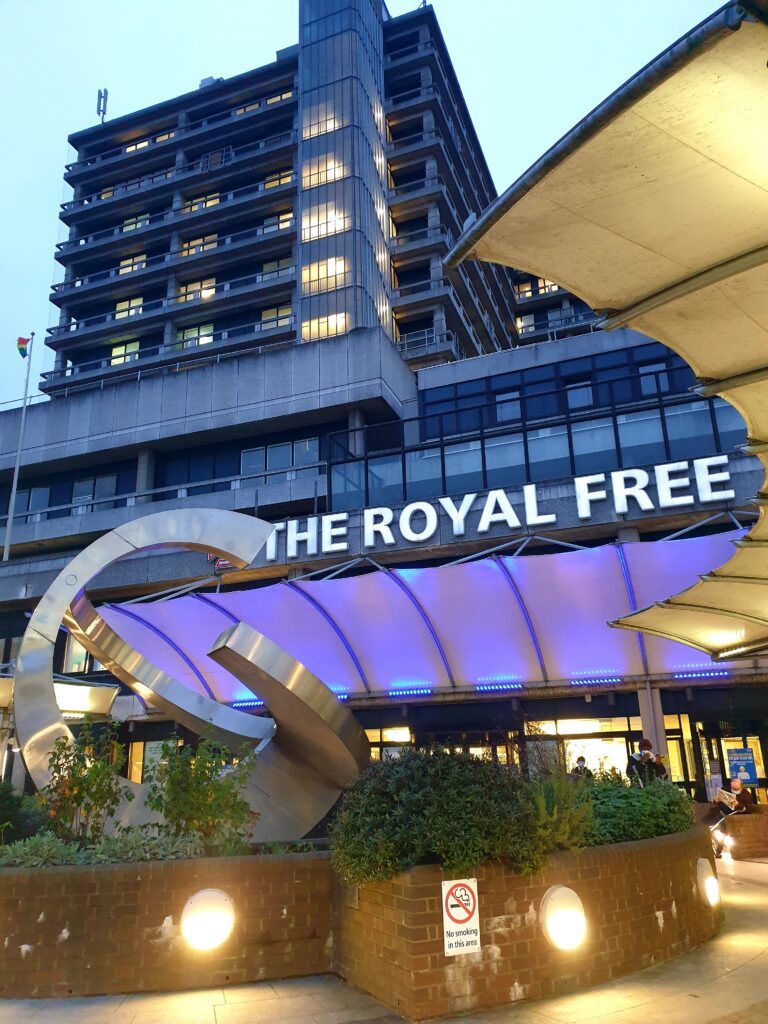
The doctor is being cared for in a high-level isolation unit at the Royal Free Hospital. The UK government arranged the medical evacuation with Congolese authorities and international health partners, following established infection-control procedures throughout the journey.
Specialist isolation and protective equipment
The Royal Free’s unit is designed to treat serious infectious diseases in isolation. Expert clinical teams follow strict procedures, and staff caring for the patient wear personal protective equipment. The arrangements prevent contact between the patient and members of the public, the department said.
Dr Renu Bindra, deputy director of all-hazards public health response at the UK Health Security Agency, said the NHS and UKHSA have established infection-prevention protocols to limit onward transmission.
BBC News reported that the doctor arrived at RAF Northolt before being taken to the hospital in north London.
What the public and returning travellers should do
For people in the UK, the practical guidance is unchanged: UKHSA says no extra precautions are needed because of this case. Ebola spreads through direct contact with the body fluids of a person who is ill with the virus, including blood or vomit. It is not airborne.
The agency says symptoms can develop two to 21 days after exposure. Anyone who has visited the DRC or affected surrounding areas in the past 21 days and develops symptoms such as fever, muscle aches, vomiting or diarrhoea should stay home, call NHS 111, or 999 in an emergency, and tell the service about their recent travel.
UKHSA advises those travellers to call before going to a GP surgery or hospital, so health staff can arrange appropriate care. Its November 5 guidance sets out the infection-control measures, symptoms and advice for people returning from affected areas.
JBizNews Desk | London
© JBizNews.com. All rights reserved. Unauthorized reproduction or redistribution is strictly prohibited.