
Tiia Monto / Wikimedia Commons / CC BY-SA 3.0
BALTIMORE, Maryland – Medicare is giving medical practices two extra years before a new payment restriction takes effect for remote monitoring work done by outside contractors rather than clinical staff employed by the billing practice. The requirement will start January 1, 2029, instead of 2027, under the Centers for Medicare & Medicaid Services’ final physician payment rule.
The delay covers both remote physiologic monitoring, often called RPM, and remote therapeutic monitoring, or RTM. It is a delay in one staffing-related payment requirement, not a withdrawal of the requirement or an end to Medicare payment for all remote monitoring.
CMS set out the decision in its November 4 fact sheet. The agency’s rule page lists November 9 as the publication date and November 4 as the date it went on public display. The policy decision was therefore disclosed before Monday, not announced for the first time today.
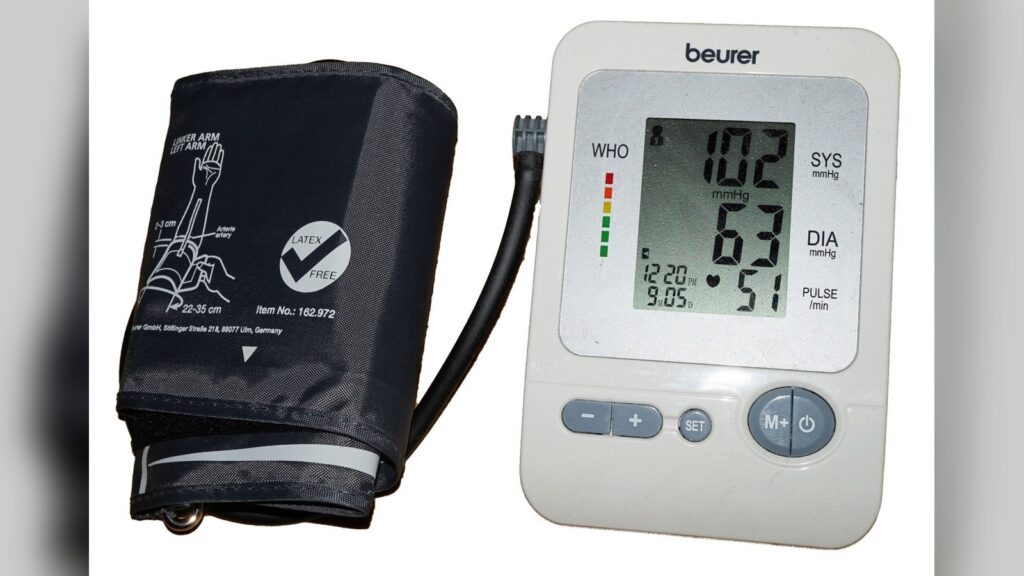
For a family, the easiest example is a grandparent who checks blood pressure at home using a connected medical device. The readings go to a health care provider, who can use them to help manage the person’s condition. The payment question here is about who does the monitoring work for the doctor’s practice. It is not a rule telling the grandparent to stop checking blood pressure.
CMS had proposed allowing payment only when the services were performed by clinical staff employed by the practice, rather than contractors, from 2027. After reviewing public comments, the agency moved that part of the policy to 2029 to give practices more time to adapt. Practices that use outside monitoring teams now have a longer planning period before that requirement begins.
That matters for the companies that supply those teams, too. A practice may buy monitoring services from another business instead of employing all the people who provide them. The extra time gives those practices and vendors room to review staffing and service arrangements. It does not guarantee that any vendor’s contract will be renewed, that its revenue will rise or that its current operating model will meet the 2029 requirement.
Other changes are still scheduled for 2027. CMS finalized a requirement that RTM be provided only to established patients, a requirement that practitioners reporting RPM or RTM provide a separately reportable initiating visit when monitoring begins, and updates to how the services are valued for payment. The new established-patient policy described in this final-rule summary is specifically about RTM; it should not be read as a new RPM policy.
In everyday terms, the initiating-visit requirement means the practitioner must provide a starting visit that can be reported separately for payment. It is not enough to assume that sending a device to someone’s home, by itself, satisfies every requirement for billing a monitoring service.
CMS’s earlier monitoring guide explains the difference between the services. RPM tracks body measurements such as blood pressure, oxygen levels or weight. RTM tracks information related to treatment, such as treatment response or adherence. Remote monitoring is more than owning a home measuring device: the care and data-sharing arrangements matter as well.
The oversight questions are not new. In a 2024 OIG review covering 2019 through 2022, the Department of Health and Human Services’ inspector general found that about 43% of Medicare enrollees who received remote patient monitoring did not receive all three components. Those components are education and device setup, device supply, and treatment management. The finding raised questions about whether monitoring was being used as intended; it does not establish that every incomplete set of services was fraud.
CMS also sought comments on potentially bundling monitoring billing codes and creating four new G-codes. The agency said it may consider those comments in future rulemaking. It did not finalize that possible redesign in this announcement.
What the CMS summary does not provide is a count of patients, practices or vendors affected by the contractor restriction, or a dollar estimate of its cost. It also does not promise lower patient bills or better health results from the delay. For patients and families, the practical question remains what care their own practice provides and what Medicare will cover in their circumstances. For the businesses serving those practices, the extra two years are time to prepare, not a permanent exemption.
JBizNews Desk | Baltimore, Maryland
© JBizNews.com. All rights reserved. Unauthorized reproduction or redistribution is strictly prohibited.