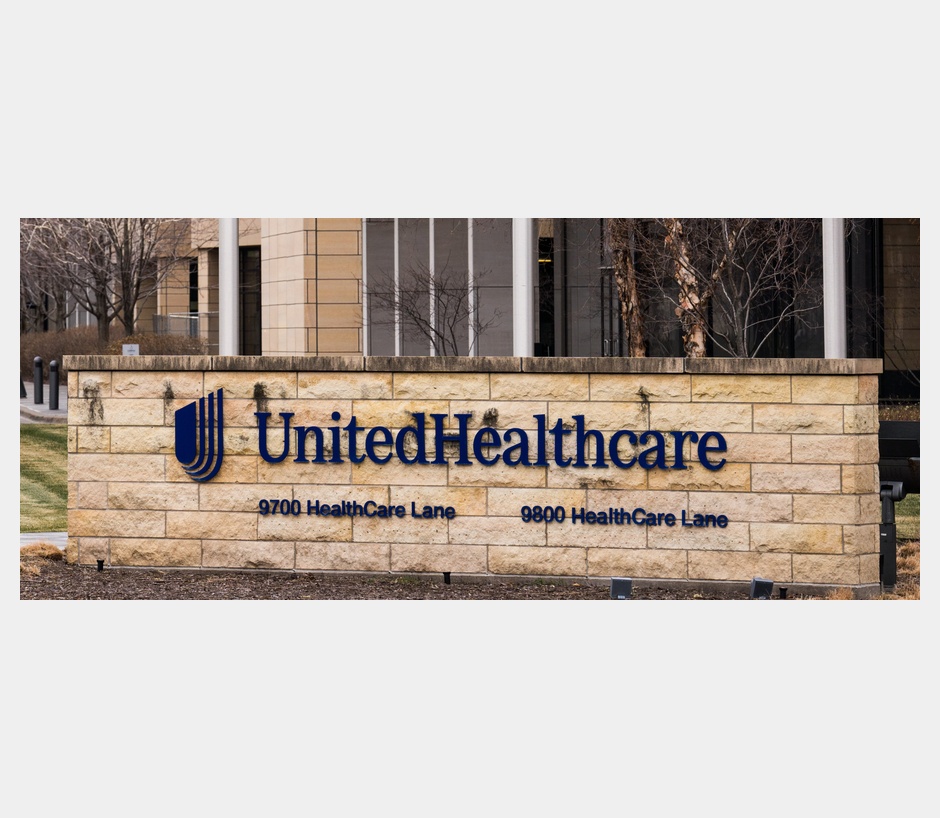
File photo: A UnitedHealthcare sign outside its corporate offices in Minnetonka, Minnesota, photographed Dec. 8, 2024. Chad Davis / Wikimedia Commons / CC BY 2.0. Cropped and fitted.
UnitedHealth Group has released a company-commissioned review that gives high marks to UnitedHealthcare’s process for writing medical policies, while identifying gaps in documentation and recommending clearer language for doctors and patients.
The review does not answer a different question that matters to patients: whether the insurer correctly approved or denied their individual care. The reviewers explicitly excluded how medical policies are applied in coverage decisions.
UnitedHealth hired FTI Consulting and Rubrum Advising, a physician-led medical coverage policy firm, to examine how its Medical Policy team develops, maintains and oversees policies. These documents help turn clinical research into criteria insurers use when deciding whether care is medically necessary.
In its November update, the company described the findings as part of an ongoing review program. The underlying report is dated Oct. 8, 2026. CEO Steve Hemsley said UnitedHealth would use the recommendations to strengthen its processes and continue sharing outside reviews publicly.
Nine policies examined
The reviewers examined nine policies across areas with different levels of scientific evidence, including breast imaging, glucose monitoring, sleep apnea treatment and molecular testing for blood cancers. They also examined completed development checklists for three of those policies.
The sample policies and development process received an overall score of five, the review’s highest rating, described as “strong.” The report said the policies included extensive research, references and specialty-society guidance.
The reviewers also praised the team’s use of appeals information to spot possible problems in policy wording or emerging medical evidence. They described a team of more than 80 professionals, including physicians, nurses and epidemiologists, with policies reviewed at least annually.
Clearer explanations and better records recommended
The full report found that some practices described in interviews were not fully documented. These included criteria for deciding when to develop a new policy, vetting outside experts, and training medical directors and committee members.
It called the policies dense and technical, making them difficult for providers and other readers to use. Recommendations included simpler language, a consistent format and clearer links between the medical evidence and the reasons for coverage criteria.
What the review leaves unanswered
The scope was limited to policies managed by the Medical Policy team. It excluded drug and behavioral-health policies handled elsewhere, cost considerations, individual coverage decisions, the specific clinical content of policies and the completeness of the underlying literature searches.
The reviewers also said they did not test whether UnitedHealthcare’s controls were effective or offer an opinion on legal compliance. The work was not an examination under generally accepted auditing or attestation standards.
The findings therefore concern how a selected set of policies is developed and documented. They are not a finding that every UnitedHealthcare policy, claim denial or patient-care decision was correct.
© JBizNews.com. All rights reserved. Unauthorized reproduction or redistribution is strictly prohibited.