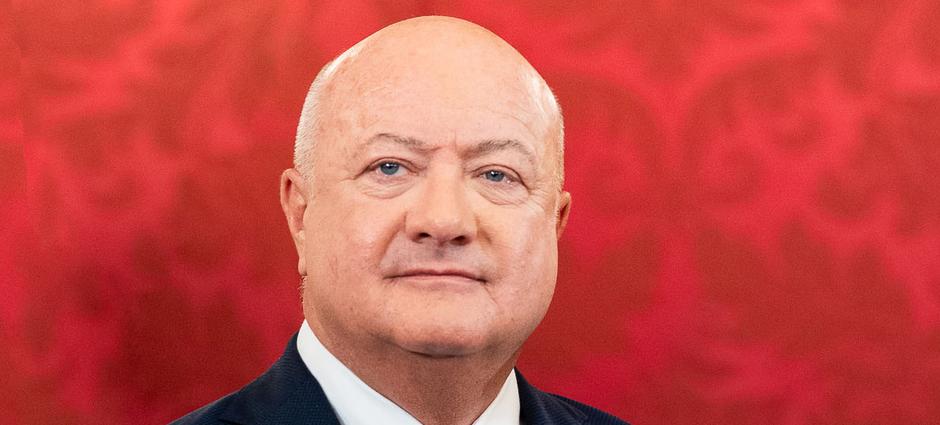
Archive portrait of Austrian Chancellor Christian Stocker, March 3, 2025. BMEIA / Michael Gruber, CC BY 2.0. Cropped. Photo licensed separately from article text.
Austria, Denmark, Germany, Greece and the Netherlands are beginning concrete negotiations with Rwanda over a proposed return hub for migrants without a legal right to remain in those EU countries, the governments said Monday.
A joint statement published November 16 says the aim is to reach an arrangement and initiate the first transfers by 2027. It does not announce an operating facility, a completed transfer or a final agreement implementing the plan.
“Starting today, concrete negotiations with partner country Rwanda will begin for the implementation,” Austrian Interior Minister Gerhard Karner said in the statement.
Who the proposed hub would cover
The model is intended for people who have no right to stay in one of the five participating EU countries and are subject to an enforceable return or removal decision. The governments say that means they neither need international protection nor have another entitlement to residence in those countries.
A background paper dated November 15 and linked from the statement says the target group includes people whose return to their home countries cannot take place promptly, for example because those countries or the people concerned do not cooperate. It excludes unaccompanied minors and says cases involving other vulnerable people would require extra care.
The proposed hub would not assess asylum claims. Relevant asylum and immigration procedures would first take place in the participating EU countries, according to the paper.
People transferred to Rwanda would be offered residence permits, initially stay in an open, temporary welcome centre and then move to community accommodation, the governments say. The plan provides for integration support, vocational training and access to Rwanda’s labour market, with the option of voluntarily travelling to their home countries or another country where they could legally live.
Safeguards and criticism
The governments say the arrangement must comply with EU, Rwandan and international law, including human rights law. The background paper calls for an independent oversight mechanism and says nobody would be transferred if there were a real risk of inhumane or degrading treatment or punishment.
UNHCR said Monday its High Commissioner participated in the Vienna meeting and that it would provide advice on human rights standards. The refugee agency stressed fair asylum procedures, humane return arrangements and continued international responsibility-sharing. Its advisory role is not a statement that the proposed hub is already operating or that every legal issue has been settled.
Amnesty International opposed the announcement, warning of risks to human rights and access to legal remedies and calling on the five governments to abandon the plan. Those are the group’s objections, not findings from a completed judicial review of this proposed arrangement.
The immediate development is the start of negotiations over a pilot model. The statement’s 2027 target remains an aim, with an arrangement and implementation still ahead.
JBizNews Desk | Vienna
© JBizNews.com. All rights reserved. Unauthorized reproduction or redistribution is strictly prohibited.