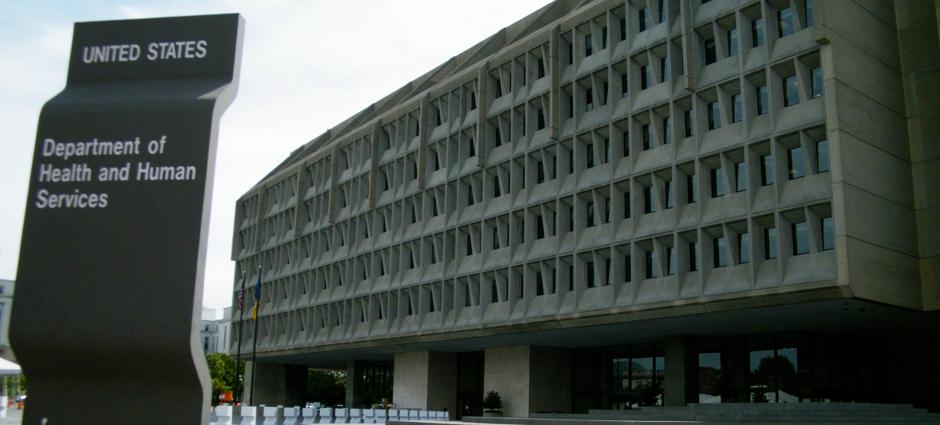
Archive: HHS headquarters, Washington, September 16, 2011. Sarah Stierch / Wikimedia Commons, CC BY 4.0; cropped and resized. Context, not the CRUSH announcement. Photo license separate from article copyright.
The Centers for Medicare & Medicaid Services proposed a broad healthcare-fraud rule on Monday, November 16, that would tighten provider enrollment checks, speed up reporting of business changes and expand oversight across Medicare, Medicaid, CHIP and the health-insurance Marketplace.
The proposal, called Comprehensive Regulations to Uncover Suspicious Healthcare, or CRUSH, is not a final rule. Its proposed requirements are not new obligations taking effect now, and some provisions would have their own implementation timetables if finalized.
For healthcare operators, one significant change would be a shorter reporting window for some updates to Medicare enrollment information. CMS says critical changes generally must already be reported within 30 calendar days, while other changes can have a window of up to 90 days. Under the new proposal, all enrollment-information changes would have to be reported within 30 calendar days.
That would make keeping ownership, management and other enrollment records current a more time-sensitive task for providers and suppliers. CMS also proposes new grounds to deny or revoke Medicare enrollment when it cannot confirm the identity of an owner or another responsible party, or determines that the party poses an undue fraud, waste or abuse risk.
The proposal reaches providers that bill Medicare Advantage plans as well. CMS would require eligible providers and suppliers billing those plans to hold approved enrollment in Original Medicare, subject to an exception for PACE plans. The agency says this would let it screen those providers before they furnish services, rather than relying mainly on a list that excludes providers after problems arise.
CMS proposes that this Medicare Advantage enrollment requirement begin on the first day of the plan year starting two years after publication of a final rule. That is a proposed schedule, not a deadline triggered by Monday’s announcement.
Medicare Advantage organizations and Part D plan sponsors would also have to report referrals of suspected or substantiated fraud, waste and abuse to CMS. Those referrals are currently encouraged rather than mandatory, according to the agency’s fact sheet.
For Medicaid and the Children’s Health Insurance Program, the proposals include broader ownership and management disclosures, more consistent use of individual provider identifiers and monthly state reporting of provider enrollment denials and terminations. CMS also proposes requiring states to use electronic visit-verification information in prepayment reviews and preliminary investigations involving personal-care and home-health services.
Another provision would implement reporting and repayment requirements for self-identified Medicaid fee-for-service overpayments within 60 calendar days. CMS describes this as a proposed regulatory framework for statutory requirements, not an instruction that providers should disregard existing law until a new rule is finished.
The Marketplace measures would expand CMS’ ability to suspend or terminate access for agents, brokers and web-brokers over abusive conduct and certain criminal or other adverse histories. A further proposal would codify restrictions on accessing Marketplace systems from outside the United States, including connections routed abroad through a virtual private network.
The administration is promoting a large financial benefit, but the figures require care. The CMS fact sheet estimates nearly $90 billion in federal budget savings from 2027 through 2036, alongside about $378.5 million in costs. The proposed rule’s executive summary, however, says the Office of the Actuary has not completed its quantitative score of federal budget and trust-fund effects and will provide projections in the final rule. It describes more than $90 billion in expected transfers between government and other entities separately from approximately $379 million in costs.
Those are agency projections and an unfinished scoring process, not $90 billion already recovered from fraud or guaranteed savings.
The public-inspection document is scheduled for Federal Register publication on November 19. Its comment-date field still contains a placeholder for 60 days after publication; the CMS fact sheet likewise describes a 60-day comment period following publication. Healthcare businesses considering comments should check the published notice for the final submission deadline.
For providers, plans and brokers, the immediate development is a proposal to review, not a completed change to every compliance deadline. The final scope, timing and financial effects remain subject to rulemaking.
JBizNews Desk | Health
© JBizNews.com. All rights reserved. Unauthorized reproduction or redistribution is strictly prohibited.