
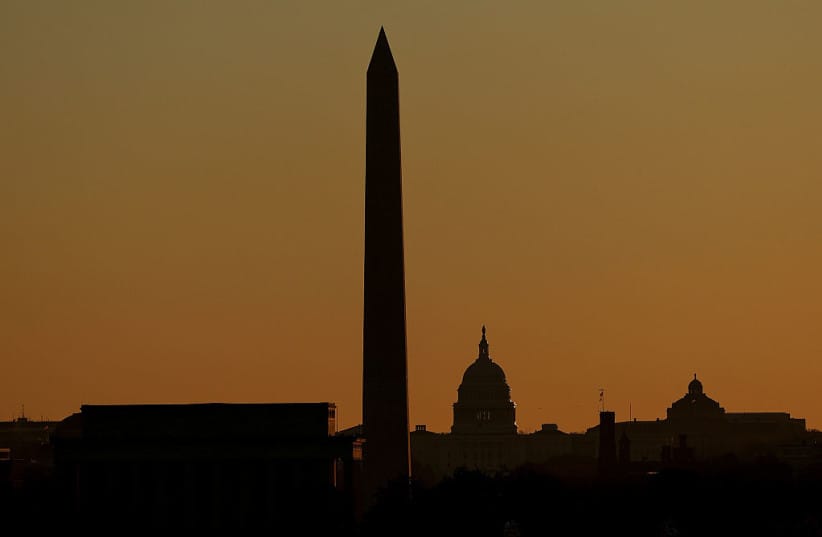
On November 17 CNN reported that “new US intelligence indicates that Iran is developing plans to target senior Trump administration officials by detonating a so-called dirty bomb or a chemical weapon in Washington, DC, even as officials continue to debate whether Iran can or will attempt to execute such a plot, according to seven US officials.”
The report said that “sources familiar with the latest intelligence characterized the Iranian planning as, for now, an effort to give itself options rather than an indicator of an imminent attack. But the plotting picked up by the US has been very specific and includes locations and targets, two of the sources said, and has sparked a flurry of US contingency planning.”
The reporting so far appears to indicate that these plans by Iran are not very advanced. Nevertheless there is wider concern that Iran is up to something and that it could impact the US or the West. This comes amid escalation in the Gulf.
It’s worth recalling that when it comes to a “dirty bomb” plot there have been previous concerns about this type of weapon and threat dating back decades. Today it is Iran, but in the past it was others. For instance, PBS Nova notes “Jose Padilla, an American citizen and former Chicago gang member with known ties to Al Qaeda, is arrested in Chicago’s O’Hare airport on suspicion of planning to build and detonate a dirty bomb in an American city.”
The report said the FBI suspected he had “undergone training in Lahore, Pakistan, where he allegedly studied the mechanics of dirty-bomb construction, including how to wire explosive devices and how to optimize bombs for radiological dispersion.”
PBS notes that “unlike an atomic weapon, the radioactive materials in a dirty bomb do not fuel the explosion itself with nuclear fission or fusion. Instead, a conventional explosion is used as a means to spread a toxic cloud of radioactive dust. The chemicals in that toxic cloud could seriously injury and/or kill anyone who comes into contact with the radioactive dust.” A report at the same site notes that in 1987 a radioactive canister harmed dozens of people when it was found and salvaged at a scrap-yard in Brazil.
In 1995 Chechen rebels claimed to seek construct a radioactive bomb. Three years later the Russian-backed Chechen Security Service found a container filled with radioactive materials and attached to an explosive mine hidden near a railway line. The next year thieves sought to steal a container in Chechnya. All of these incidents are in the context of the Chechan war with Russia.
Later, in 2002, PBS said, “the head of Russia’s nuclear regulatory agency, Yuri Vishnyevsky, announces that small amounts – a few grams here and there – of weapons-grade and reactor-grade nuclear materials are missing from the country’s atomic facilities. Vishnyevsky does not provide details on when and how the materials disappeared, but he indicates that the material involved is uranium.”
In Herat, Afghanistan in 2003, after the US invasion in the wake of the 9/11 terrorist attack, “British intelligence agents and weapons researchers conclude that al-Qaeda has succeeded in constructing a small dirty bomb, though the device has not been found.”
Radioactive material is less harmful the more it spreads
The US Nuclear Regulatory Commission notes that “the extent of local contamination would depend on a number of factors, including the size of the explosive, the amount and type of radioactive material used, the means of dispersal, and weather conditions. Those closest to the RDD would be the most likely to be injured by the explosion.”
It goes on to add that “as radioactive material spreads, it becomes less concentrated and less harmful. Prompt detection of the type of radioactive material used will greatly assist local authorities in advising the community on protective measures, such as sheltering in place or quickly leaving the immediate area. Radiation can be readily detected with equipment already carried by many emergency responders. Subsequent decontamination of the affected area may involve considerable time and expense.”
A 2007 article at the Royal United Services Institute, the world’s oldest defense and security think tank discusses the dirty bomb threat. Dr. Sandra Bell notes “the term ‘dirty bomb’ refers to a device designed to disperse radioactive material. Examples include attacks on nuclear facilities that produce, store, or use hazardous radioactive materials, including spent nuclear fuel or nuclear material in transit; or the detonation of a conventional explosive surrounded by a radioactive substance, such as those used in research laboratories or hospitals. Conventional explosives, whether improvised, industrial or military, are the staple of modern terrorists.”
She goes on to note that “there have been continued international efforts to increase the physical protection of fissile material and nuclear weapons. For example, in 2005 the UN General Assembly adopted the International Convention for the Suppression of Acts of Nuclear Terrorism, requiring the domestic criminalization of acts of nuclear terrorism, together with the commitment of the signatories to international co-operation in the prevention, investigation and prosecution of acts of nuclear terrorism.” She concludes that “with radioactive sources increasingly available on the black market and terrorists turning their focus to disruptive rather than destructive attacks, the odds may have tipped in favor of the possibility of a dirty bomb being used in the UK sometime in the future.”
The CDC notes what to do if you are outside during a dirty bomb incident. “If you are outside and close to the incident: Cover your nose and mouth with a cloth to reduce the risk of breathing in radioactive dust or smoke; Don’t touch objects thrown off by an explosion – they might be radioactive; Quickly go into a building where the walls and windows have not been broken. This area will shield you from radiation that might be outside; Once you are inside, take off your outer layer of clothing and seal it in a plastic bag if available. Put the cloth you used to cover your mouth in the bag, too. Removing outer clothes may get rid of up to 90% of radioactive dust; Put the plastic bag where others will not touch it. Keep it until authorities tell you what to do with it; Shower or wash with soap and water. Be sure to wash your hair. Washing will remove any remaining dust.”
As noted, reports that Iran may be considering a radioactive dirty bomb attack in Washington have revived concerns about a type of weapon that first attracted widespread attention after the September 11, 2001, terrorist attacks. The latest allegations come amid the ongoing conflict between Iran, Israel, and the United States, raising questions about the potential use of radiological weapons and the threat they pose.
The consequences of an attack would depend on the radioactive material involved, the extent of contamination and the duration of exposure. Even an attack causing relatively few immediate casualties could generate fear, disrupt transportation and require extensive security measures.
IAEA warns terrorists may use radioactive substances from industry, medicine
In 2003, International Atomic Energy Agency director general Mohamed ElBaradei warned that radioactive materials used in medicine and industry could become targets for terrorists. He argued that the willingness of terrorists to risk their own lives meant the dangers of handling radioactive substances could no longer be considered a sufficient deterrent. The IAEA subsequently expanded efforts to strengthen the security of radioactive sources and prevent their diversion.
The latest allegations have brought the distinction between a dirty bomb and a nuclear weapon back into focus. On November 18, Iran International interviewed several security experts about the reported Iranian plans. Iran International also quoted analysts who warned that such an attack could provoke severe American retaliation.
The latest concerns therefore resemble earlier dirty bomb scares in one important respect: intelligence agencies must evaluate potential threats before knowing whether they represent operational plans or preliminary discussions. It also may reflect the attempt to make it clear how dangerous Iran’s nuclear program is, at a time when many Americans appear to oppose the continued conflict with Iran. For Washington, the challenge is to distinguish credible intelligence from speculation while maintaining preparedness.







