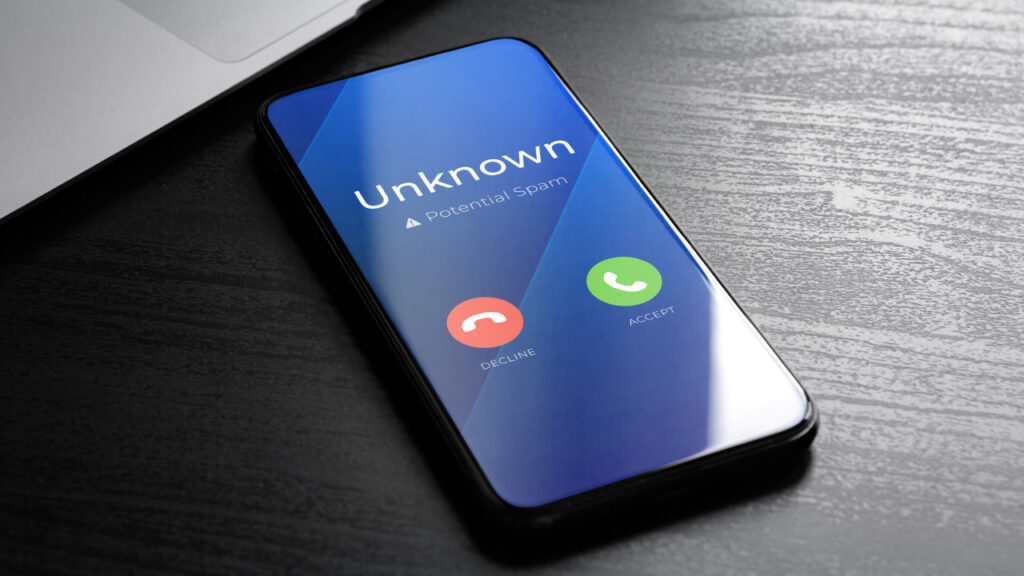
The Federal Communications Commission voted Thursday to block China Mobile, China Telecom and China Unicom from directly accessing U.S. phone numbers, escalating a national security crackdown aimed at stopping scam robocalls and Chinese cyber espionage.
The decision bars China Mobile, China Telecom, China Unicom and other internet protocol-enabled service providers from obtaining direct access to U.S. numbering resources. Direct access allows providers offering Voice over Internet Protocol services to obtain phone numbers directly rather than routing through intermediate carriers, lowering costs and enabling advanced calling features.
“With this decision, the FCC will be strengthening our first line of defense against bad actors and illegal robocallers,” FCC Chair Brendan Carr said in a statement ahead of the vote.
CHINA BLASTS U.S. FOR BANNING TELECOM FIRMS OVER SPYING CONCERNS
The vote marks the latest escalation in Washington’s efforts to sever Chinese state-backed telecom companies from U.S. communications infrastructure. The FCC already barred China Mobile, China Telecom and China Unicom from providing international telecommunications services to the United States.
Under the broader regulatory package unveiled alongside the proposal in late October, the commission also moved to restrict internet-based providers that rely on equipment from companies on its national security risk list, including Huawei and ZTE. The agency is also weighing whether to revoke existing direct number authorizations for Chinese firms deemed security risks, bar those companies from connecting to U.S. networks and prohibit them from operating U.S. data centers.
Separately, the FCC previously approved rules banning all Chinese laboratories from testing U.S. electronics starting in December 2028.
FCC PROPOSES ROBOCALL SCORECARD TO STRENGTHEN CONSUMER PROTECTION
U.S. officials have raised mounting alarms over Chinese cyber operations targeting American telecom networks. In late 2024, Washington said a Chinese state-sponsored hacking group known as Salt Typhoon infiltrated U.S. telecommunications companies and stole consumers’ call records and call data. The FBI warned earlier this year that threats from Salt Typhoon remain “still very much ongoing.”
In July, the FCC added California-based Digitalsystem Technology to its national security risk list, pointing to its ties to Chinese telecom firms and ownership by a Chinese national.
FBI WARNS TEXTS BETWEEN ANDROID AND IPHONE USERS POSE CYBER RISK
The crackdown has also prompted major carriers to retreat from the U.S. market. On Oct. 30, Hong Kong telecom carrier HKT — a subsidiary of PCCW Ltd., in which China Unicom holds a stake — agreed under a consent decree to halt its domestic and international telecom operations in the United States by Sept. 1, 2027, following FCC revocation pressure.
Beijing has repeatedly denied U.S. espionage allegations and pushed back against the restrictions. After the FCC outlined the phone-number proposal in October, the Chinese Embassy in Washington said the measure “severely hinders normal economic and trade cooperation between Chinese and American businesses and is not in the interest of any party including U.S. companies and consumers.”
GET FOX BUSINESS ON THE GO BY CLICKING HERE
Following the FCC’s ban on Chinese testing labs, Beijing warned it would take necessary countermeasures “if the U.S. side persists in acting unilaterally.”
Reuters contributed to this report.