
Eight arrested for ‘brutal’ attack on capybara in Brazil
In incident filmed by security cameras in Rio de Janeiro, group of attackers beat animal with sticks and iron bars
Police in Rio de Janeiro have arrested eight people for brutally beating a capybara – the world’s largest rodent.
Resembling a giant guinea pig, the light brown capybara (Hydrochoerus hydrochaeris) is often seen roaming the Brazilian city, particularly near streams and lagoons.
This post was originally published here
At least 66 killed after Colombian military plane crashes in southern Amazon
Transport plane carrying soldiers and crew crashed shortly after takeoff from Puerto Leguízamo, deep in Colombia’s southern Amazon region
A Colombian military transport plane with 121 people on board, mostly soldiers, crashed shortly after takeoff in the country’s south, killing at least 66 people, authorities said.
The defence minister, Pedro Sánchez, said the accident happened as the Lockheed Martin Hercules C-130 plane was taking off from Puerto Leguízamo, deep in Colombia’s southern Amazon region, on the border with Peru, as it transported troops from the armed forces.
This post was originally published here


Senate confirms Trump loyalist Markwayne Mullin as homeland security secretary
Oklahoma senator, confirmed in 54-45 vote, replaces Kristi Noem to lead president’s immigration crackdown
The US Senate on Monday confirmed Markwayne Mullin to serve as secretary of the Department of Homeland Security, elevating the Republican senator to a role where he will be among the public faces of Donald Trump’s crackdown on undocumented immigrants.
The Republican controlled chamber confirmed Mullin largely along party lines, with a vote of 54-45.
This post was originally published here

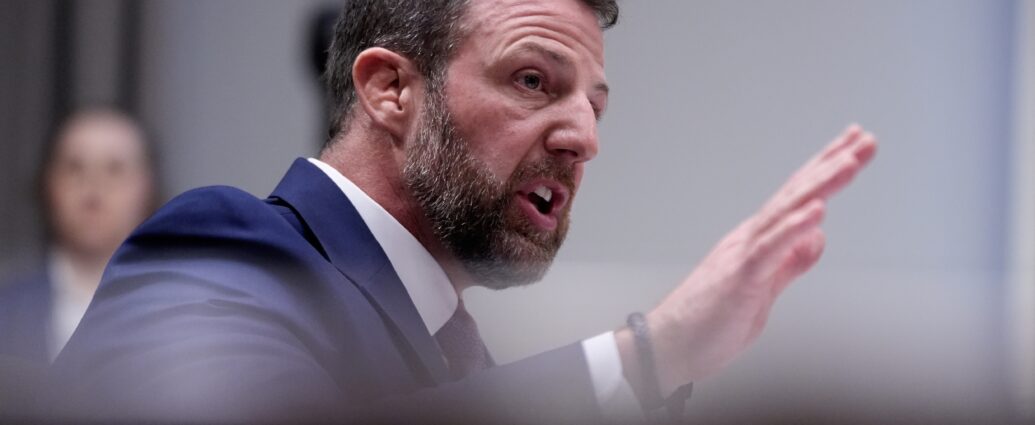
Markwayne Mullin confirmed as the next secretary of Homeland Security
The Oklahoma Republican comes to the helm in the midst of a shutdown that has left some 100,000 of the department’s more than a quarter-million employees working without pay.
(Image credit: Manuel Balce Ceneta)

This post was originally published here
‘We consider every mile we drive’: how fuel shortages are affecting readers worldwide
From a shop owner in India to a community worker in New South Wales, rising fuel prices are forcing people to ration oil usage
Alagesan, 35, needs liquefied petroleum gas (LPG) to run his roadside drink and snack shop in Coimbatore, India, but with the fuel shortage since the US-Israel attacks on Iran, he worries his business could fold.
“I am far away from the Middle East, but my life is affected,” he said. “The gas cylinder is not available because of the war. I don’t know what to do.”
This post was originally published here
The best free tax software of 2026
Most DIY tax software platforms have a free tier — but which is right for you?
This post was originally published here
Trump’s ‘very good’ talks with Iran buy him time with oil and energy markets
Tehran denied negotiations that delayed US strikes and Trump was vague on the details, but talks signal renewed push for peace from regional powers
There have been so many abortive rounds of diplomacy between the US and Iran – the latest appearing to be led by Pakistan after Washington has burned through many other regional mediators – that it was hardly a surprise that President Trump’s claims of “very good” talks with Tehran initially provoked disbelief – especially after Iran denied that any negotiations were taking place at all.
Nonetheless, standing beside Air Force One, Trump did his best to sell the sudden detente with little detail as a US ultimatum to bomb Iran’s power plants loomed unless Tehran opened up the strait of Hormuz. It was lost on few that the sudden about-face came just hours before US markets were to open for what promised to be another punishing round of trading on Monday.
This post was originally published here
English and Welsh winemakers report sharp rise in production in 2025
The hot, dry summer and an increase in vineyard planting resulted in the third-largest UK grape harvest
English and Welsh winemakers have reported a sharp rise in production, after the hot, dry summer in 2025 and an increase in vineyard planting resulted in the third-largest UK harvest.
The equivalent of 16.5m bottles were produced across the UK last year – or 124,377 hectolitres – according to figures from the wine regulator, the Food Standards Agency (FSA).
This post was originally published here
Ministers delay new rules for low-carbon housing in England
Homes built from March 2028 will produce 75% less greenhouse gas emissions than those built to 2013 standard
Buyers of new homes are likely to be shackled to high gas prices for years to come, as the government has delayed bringing into force new regulations on low-carbon housing.
Most newly built homes will come equipped with solar panels and heat pumps from March 2028, according to updated regulations for England called the “future homes standard” (FHS), but the government has relented on plans for more stringent rules under pressure from housebuilders.
This post was originally published here
‘It’s got real sass!’ Irvine Welsh chooses new life for Trainspotting as a stage musical
Production based on 1993 novel opens at Theatre Royal Haymarket in London in July, with original songs co-written by the author
It has been a book, a play and a film. It has also spawned three sequels, a prequel and two soundtrack albums. Now, Irvine Welsh’s 1993 debut novel Trainspotting is to find new life as a musical.
Opening at the Theatre Royal Haymarket in London in July, Trainspotting the Musical will be adapted by the author with an original set of songs, plus others that were used in Danny Boyle’s celebrated film.
This post was originally published here
Ministers rebuff trade body’s call to boost North Sea oil and gas production
Government emphasises need to ‘get off the rollercoaster of fossil fuel markets’ in response to Offshore Energies UK
The UK government has dismissed a warning from an energy trade body that failing to produce more homegrown North Sea oil and gas will leave the UK increasingly reliant on imports at a time of rising global instability.
The industry group, Offshore Energies UK, has said the UK “urgently” needs a greater supply of domestically produced energy or consumers will be left “more exposed to global volatility and higher emissions”.
This post was originally published here
India is launching cheap weight-loss drugs — but Novo Nordisk is betting its brands will stay on top
Indian generic drugmakers launch a price war against Novo Nordisk’s GLP-1 brands, Ozempic and WeGovy.
This post was originally published here
California sues Trump energy department over revival of controversial oil pipeline
Attorney general decries ‘outrageous federal overreach’ after government restarted pipeline closed over 2015 spill
California attorney general Rob Bonta said he has sued the US energy department to stop it from using a cold-war era law to restart the long-disputed Sable Offshore pipeline system linking the Santa Ynez offshore platform to California refineries.
US energy secretary Chris Wright earlier this month restarted the pipelines using powers granted to him by Donald Trump through an executive order that invoked the Defense Production Act to supersede state laws.
This post was originally published here


Tuesday’s big stock stories: What’s likely to move the market in the next trading session
The Dow Industrials jumped more than 600 points in a relief rally Monday after President Trump said Iran and the U.S. have had “productive” talks.
This post was originally published here
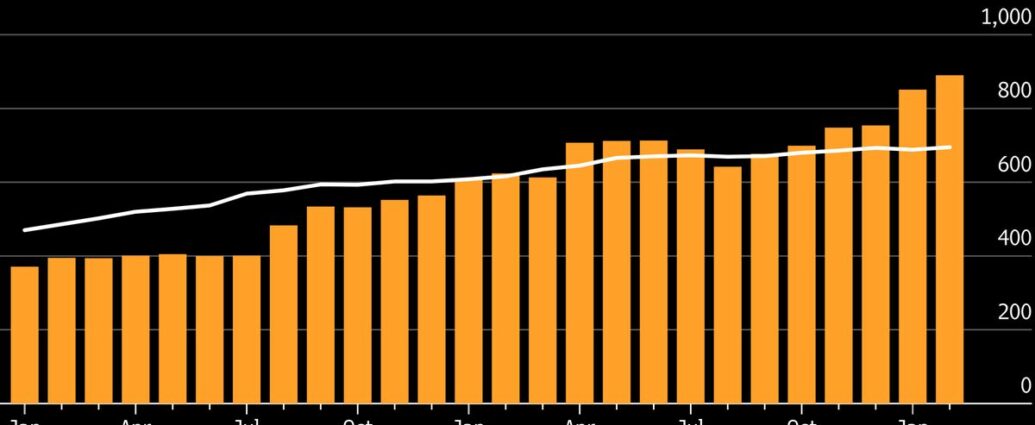
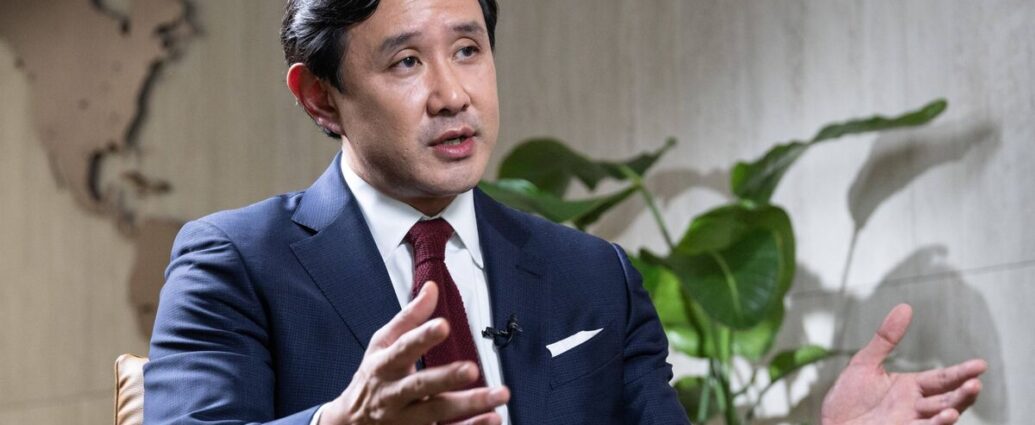
OpenAI calls out Microsoft reliance as risk in investor document ahead of expected IPO
In a document that resembles an IPO prospectus, OpenAI highlighted the risk of its dependence on Microsoft and of supply disruptions at TSMC.
This post was originally published here
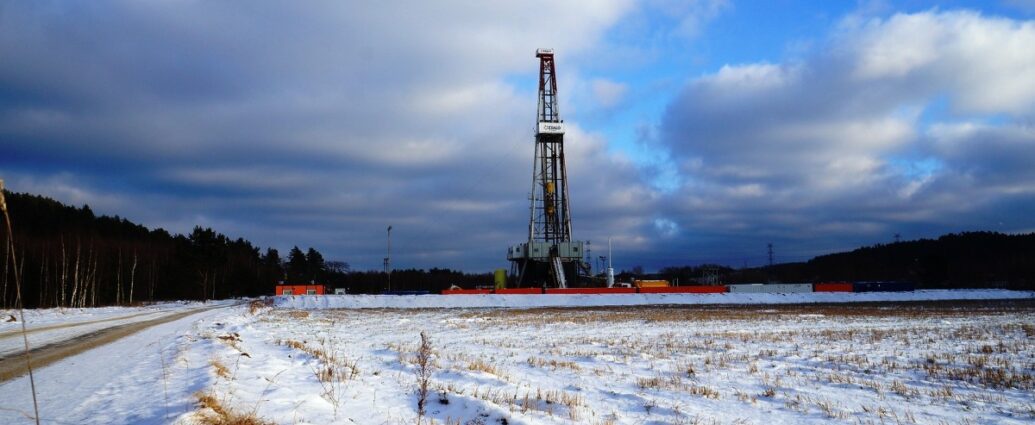
Iran attacks in Strait of Hormuz are ‘economic terrorism against every nation,’ UAE oil CEO says
Sultan Ahmed Al Jaber, CEO of the UAE’s state-owned oil company, said the Strait of Hormuz must re-open to resolve the supply shock.
This post was originally published here

Apollo gives investors only 45% of requested withdrawals from $15 billion private credit fund
The withdrawals show that Apollo didn’t avoid the rush of investor redemptions plaguing rivals, driven by concern over private credit loans to software firms.
This post was originally published here
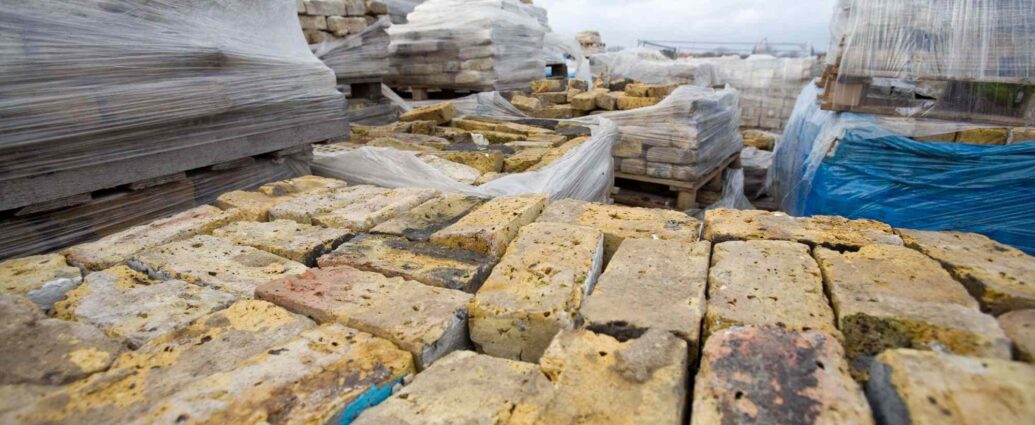
Reclamation Explained: Definition and Key Processes
This post was originally published here
Jeffrey Gundlach says it’s a ‘going nowhere’ market, warns of private credit strains
His comments come as investors increasingly scrutinize pockets of the private credit market, particularly funds exposed to riskier borrowers.
This post was originally published here
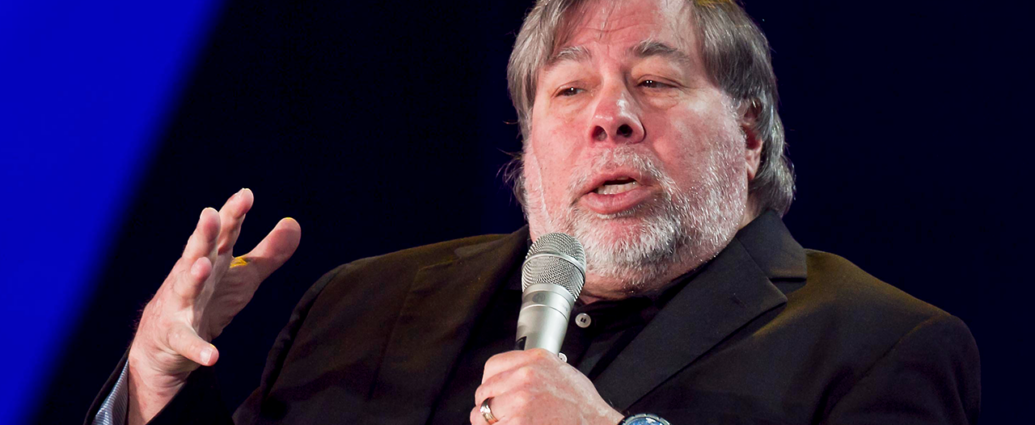
Apple co-founder Steve Wozniak says he’s ‘not a fan’ of AI
Apple co-founder Steve Wozniak is raising concerns about artificial intelligence as the technology becomes more embedded in everyday life, warning that it may not yet deliver the reliability and human understanding people expect.
Steve Wozniak joined FOX Business’ Liz Claman on “The Claman Countdown” to discuss how AI is evolving and where he believes it falls short despite rapid advancements across the tech industry.
Wozniak, who helped build Apple’s earliest computers and shape the personal computing revolution, framed his skepticism around the importance of human thinking and emotional awareness, arguing that technology should reflect genuine understanding rather than just well-written responses.
“I want to know some human being like myself is thinking, knowing what I might feel, and understanding emotions and all that,” Wozniak said.
APPLE UNVEILS LOWER COST IPHONE 17E, RAISES PRICES ON MACBOOKS
Drawing from his own experience testing AI tools, Wozniak said the systems often fail to answer questions directly, instead offering broad or unrelated information that misses the user’s true need.
“I want such reliable content every time. I am not a fan of AI,” Wozniak said.
NEW EMOJIS COMING TO APPLE IPHONES IN LATEST UPDATE
His remarks also touched on the broader impact of technology on human behavior, suggesting that growing dependence on automated systems could change how people process information and solve problems.
“You become dependent on it,” Wozniak said.

Jim Cramer says Monday’s market rally may be short-lived
CNBC’s Jim Cramer cautioned investors that Monday’s stock market rebound, sparked by optimism over a potential end to the U.S.-Iran war, might be temporary.
This post was originally published here
Trump despises wind farms so much he’s paying a French energy giant $1 billion to stop building them and invest in natural gas instead
Big Oil giant TotalEnergies will eliminate nearly $1 billion in offshore wind projects planned along the U.S. East Coast under the threat of cancelation from the Trump administration in exchange for redirecting the reimbursed funds to U.S. natural gas projects, primarily in Texas.
In the so-called “landmark agreement” announced March 23 between TotalEnergies and the U.S. Interior Department, the federal government will reimburse the French energy giant about $928 million for its investments in the Attentive Energy and Carolina Long Bay projects offshore of New York and North Carolina, respectively, which were put on hold by the company after President Donald Trump was elected.
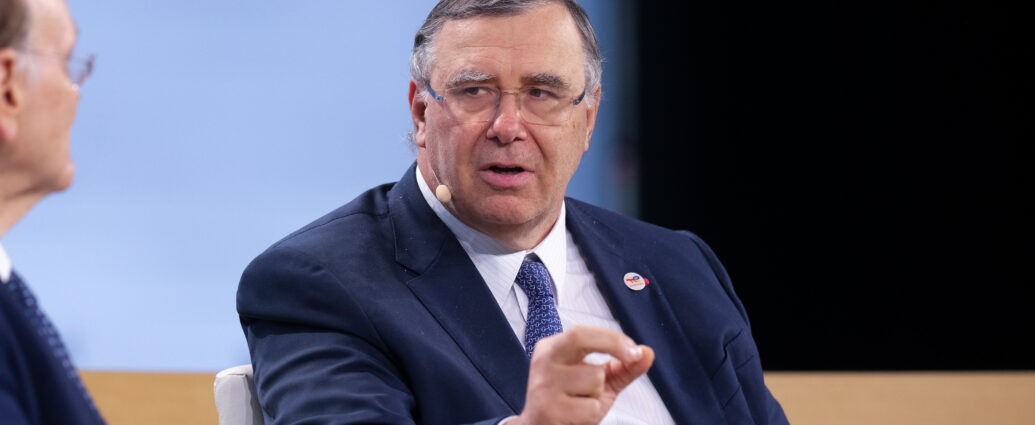
Speaking at the CERAWeek by S&P Global event in Houston, TotalEnergies chairman and CEO Patrick Pouyanné said he is opting “not to litigate, but to make pragmatic solutions.”
While TotalEnergies will continue to pursue onshore wind, solar, and battery storage projects in the U.S., he said, the company will abandon offshore wind that is now deemed too big and expensive without federal subsidies in the U.S.
“It’s good to be innovative from time to time and pragmatic,” Pouyanné said. “We can recycle this money … into smarter investments.”
President Trump has pushed back against the expansion of both wind and solar energy in the U.S.—in favor of fossil fuels instead—but he has particular disdain for the massive offshore wind turbines that he deems unsightly.
TotalEnergies also is a major player in natural gas in the U.S., especially in liquefied natural gas (LNG) exports. The agreement with the Interior Department, while scant on details, specifically cites the companies increased investments in Houston-based NextDecade’s Rio Grande LNG project in southern Texas, as well as in natural gas production investments in the Gulf of Mexico and in U.S. shale drilling.
TotalEnergies is both a 17% shareholder of NextDecade and a major customer of the gas exports from the Rio Grande LNG project. TotalEnergies also is an owner of Sempra Energy’s Cameron LNG in Louisiana and an investor in Glenfarne’s planned Alaska LNG.
Speaking alongside Pouyanné, U.S. Interior Secretary Doug Burgum said TotalEnergies will investment in more reliable natural gas projects and not “intermittent” wind farms. “We are not driven by a climate fantasy,” Burgum said.
“They (TotalEnergies) thought there were going to be a bunch of subsidies,” Burgum said, citing the ending of subsidies for wind and solar projects in Trump’s “One Big Beautiful Bill” approved last year.
This story was originally featured on Fortune.com
This post was originally published here


What Are Buy Signals in Investing? Key Examples and Insights
This post was originally published here



Smithfield Foods Likely To Report Higher Q4 Earnings; These Most Accurate Analysts Revise Forecasts Ahead Of Earnings Call
Smithfield Foods, Inc. (NASDAQ:SFD) will release earnings for its fourth quarter before the opening bell on Tuesday, March 24.
Analysts expect quarterly earnings of 68 cents per share. That’s up from 52 cents per share in the year-ago period. The consensus estimate for Smithfield Foods’ quarterly revenue is $4.15 billion; it reported $3.95 billion last year, according to Benzinga Pro.
On Feb. 16, Smithfield Foods initiated approval process for up to $1.3 billion state-of-the-art packaged meats and fresh pork processing facility in Sioux Falls, South Dakota.
Smithfield Foods shares gained 1.6% to close at $23.48 on Monday.
Benzinga readers can access the latest analyst ratings on the Analyst Stock Ratings page. Readers can sort by stock ticker, company name, analyst firm, rating change or other variables.
Let’s have a look at how Benzinga’s most-accurate analysts …
This post was originally published here
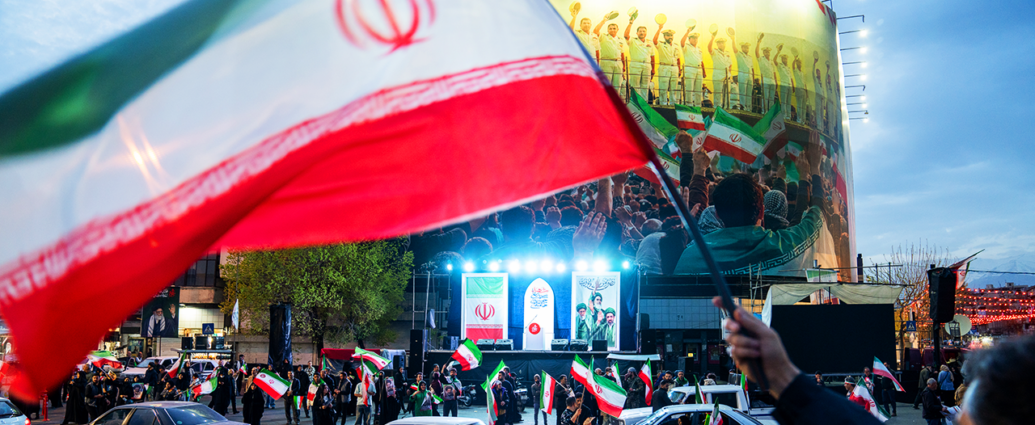
Markets hanging on ‘every word’ as US-Iran conflict nears one month, former NEC director warns
Former National Economic Council director Gary Cohn warned that markets are hanging on “every word” as the United States’ war on Iran stretches into a fourth week.
Joining “The Claman Countdown” on Monday, the former Trump economic official discussed how markets are behaving as President Donald Trump’s Operation Epic Fury begins to weigh heavily on Americans economically.
“I think volatility can be your friend, and it can be your enemy,” he said Monday. “Because remember, fear and greed are what drive markets. Volatility enhances fear and enhances greed.”
WALTZ SAYS TRUMP IS USING IRAN’S OWN OIL STRATEGY AGAINST ITSELF TO DRIVE DOWN GLOBAL PRICES
“Since we’ve been involved in this issue, this war in the Middle East, markets have been hanging on every word,” Cohn explained.
Cohn’s comments come amid a crisis in the Iran-controlled Strait of Hormuz, with U.S. ships still banned from passing through, driving up prices of goods domestically.
About 20% of the world’s crude oil and natural gas passes through the critical waterway, and with U.S. ships blocked, gas prices in the homeland are up more than $1.
The national average currently sits at $3.95 per gallon for regular gasoline, compared to $2.94 before the U.S. struck Iran, per AAA.
The economist said the Strait of Hormuz’s closure has led to “enormous” market volatility.
AIRLINES MAY CUT FLIGHT SCHEDULES AS IRAN TENSIONS DRIVE UP FUEL COSTS, EXPERTS WARN
“Markets are an edge. We know that,” Cohn said. “We’ve known that for the last couple of weeks.”
Cohn asserted that the state of the economy hinges on the outcome of the Middle East conflict, and the price of oil is at the center.
“Movement in oil… it’s weighing down heavily on stock markets and other assets,” the former NEC director said. “So right now, the biggest determinant in where we go in our short-term economy and long-term economy is what goes on in the Middle East. It is the price of oil. Everything else economically is in pretty fair shape.”
Cohn shared advice for investors on navigating volatile times, saying that markets are “fickle” and move quickly with just a hint of information.
“What the volatility means is you have to have a game plan. If you know where you wanna buy, and you know what you wanna sell, you will get opportunities to get in and out of markets that you may not have seen and think was possible.”
Cohn also revealed the biggest mistake investors can make is acting out of “fear or greed” as they decide to make big moves or stay cautious.
“When you think something’s really cheap, you need to buy it. You can’t wait for it to get cheaper. And I think traditional investors are always trying to buy the bottom and sell the top. As a professional investor, I’ve never once in my life bought the bottom and sold the top,” he said.
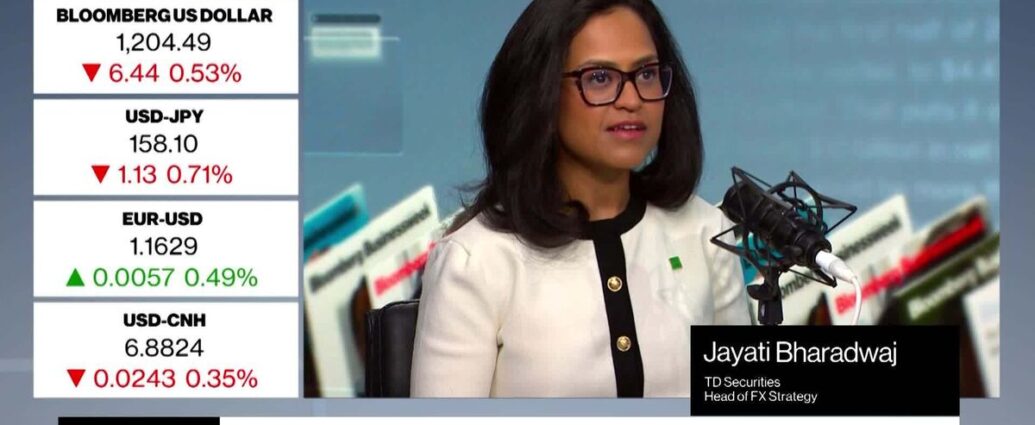


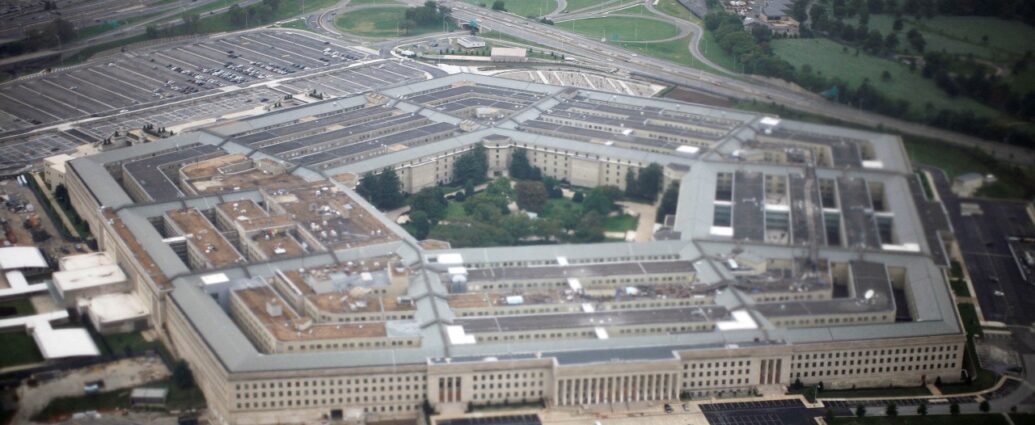


Traders placed $580mn in oil bets ahead of Trump post on Iran talks
This post was originally published here

Starbucks CEO admits the chain ‘ran like a manufacturing facility’
When Brian Niccol took over as CEO of Starbucks 18 months ago with the intention to return the company to its glory days of the 1990s and early aughts, he was surprised to see the coffee chain felt more like a factory floor than a warm hangout spot.
In an recent episode of Semafor’s “The CEO Signal” podcast, Niccol said when he first took the helm of the company in late 2024, he visited several stores and noticed the coffee chain had put so much emphasis on fulfilling large volumes of orders it had strayed from its reputation as a cozy coffee house. Niccol’s “Back to Starbucks” plan introduced in his first days as CEO was meant to restore Starbucks to its roots as a “third place” for customers to linger in.
“We got really focused on trying to be efficient and run it like a manufacturing facility, as opposed to recognizing, no, this is actually a customer service experience, where we do great craft and create great drinks for people on time,” Niccol said.
Although Starbucks stock is virtually unchanged since Niccol took over a year-and-a-half ago, the former Chipotle CEO has been working hard to restore that certain charm that once belonged to “the third space.” He found that Starbucks had too much of a good thing.
A to-go culture gone too far
Niccol came into a company that was in some ways battered by the success of its popular online ordering, still responsible for most of the chain’s orders, including 40% drive-thru and 30% mobile. In early 2024, then-CEO Laxman Narasimhan said customers were abandoning their online orders after placing them online, having to wait in long lines for their orders to be fulfilled during busy commuting hours. The Starbucks menu was large, and patrons’ ability to customize their orders overwhelmed baristas and slowed down order fulfillment.
Early in his tenure, Niccol spoke with customers who lamented the lack of comfortable seating Starbucks locations once had, as well as baristas recognizing and chatting with them. Baristas told Niccol Starbucks should bring back condiment bars to let customers add their own cream and sugar, relieving pressure from workers fulfilling more complicated orders.
“The feedback I heard was, we’ve made the job more complicated than necessary,” Niccol said. “It was one of those things where it’s like, we got to get back to focusing decisions that actually show up in the store, and then you got to understand how those decisions actually are executed in the store.”
The company took those suggestions, among others, returning seats to thousands of store locations and returning condiment bars after their pandemic-era discontinuation.
So far, the “Back to Starbucks” plan appears to be working. The company reported a 4% increase in year-over-year same-store sales, and a 5% uptick in revenue for the quarter. Profits took a hit as the company navigated tariffs and brought on more workers to staff its stores.
“We’re pleased with our progress, and we believe we remain ahead of schedule, and we’re confident on our path forward,” Niccol told investors in January. “But we also recognize that we’re still in our turnaround.”
The road back to Starbucks
At the core of the raft of changes to the Starbucks experience was making the chain as much about customer service as about coffee, Niccol noted.
“f you aren’t working on initiatives that ultimately make the store experience better for our customer and our partner, probably working on the wrong things,” he said.
Niccol rolled out the “Back to Starbucks” plan through a series of immediate shifts followed by more structural changes. Locations activated more wall outlets and began giving ceramic cups to customers who wanted to sit in the store for a while. Baristas were told to write personalized messages on paper to-go cups. Workers were also required to begin wearing black shirts under green aprons as part of a brand refresh.
Behind the counter, Starbucks slashed menu items by 30% to lighten the load of baristas. It rolled out an AI-powered assistant designed to troubleshoot equipment issues, teach baristas how to make drinks, and prioritize orders to increase efficiency.
To be sure, not all baristas are on board with the changes. More than 1,000 union baristas went on strike in November 2025, demanding Starbucks increase staffing to improve long customer wait time, as well as let existing baristas work more hours to meet the threshold for benefits. Last May, more than 2,000 baristas protested the company’s dress code and argued workers should have a say in what they wear.
Starbucks did not respond to Fortune’s request for comment.
Niccol said the “Back to Starbucks changes have already shifted the company’s reputation. In an interview at the Wall Street Journal Leadership Institute in December 2025, Niccol said he was reading through a Reddit thread of Starbucks job candidates interviewing at the company, with some users asking what interview questions they should prepare to be asked. Other users, presumably Starbucks employees, said candidates should be prepared to talk about customer service.
“If you don’t like customer service, you’re probably not going to like working at Starbucks. We’re in that transition of getting people to understand that,” Niccol said. “When I saw that in the Reddit thread, I was like, ‘OK, we’re making progress on what the standard of services that we want [are].’”
This story was originally featured on Fortune.com
This post was originally published here


Mark Zuckerberg Wants AI for CEOs, Too

What to know about the third No Kings protests happening in March
Demonstrations to be held across the US against ICE’s ‘reign of terror’ with flagship event in Minnesota’s Twin Cities
Millions of people are expected to protest the Trump administration at more than 3,000 No Kings events in cities and small towns across the country on Saturday. Ezra Levin, co-founder of Indivisible, one of the groups coordinating No Kings, said he expected it to be “the biggest protest in American history”.
This will be the third No Kings protest since Trump was re-elected. A flagship event will be held in Minnesota’s Twin Cities – Minneapolis and St Paul – after residents stood up to the surge of federal immigration agents the Trump administration sent into the region earlier this year. In January, agents killed two residents, Renee Good and Alex Pretti, who were observing Immigration Customs Enforcement (ICE) activities.
This post was originally published here
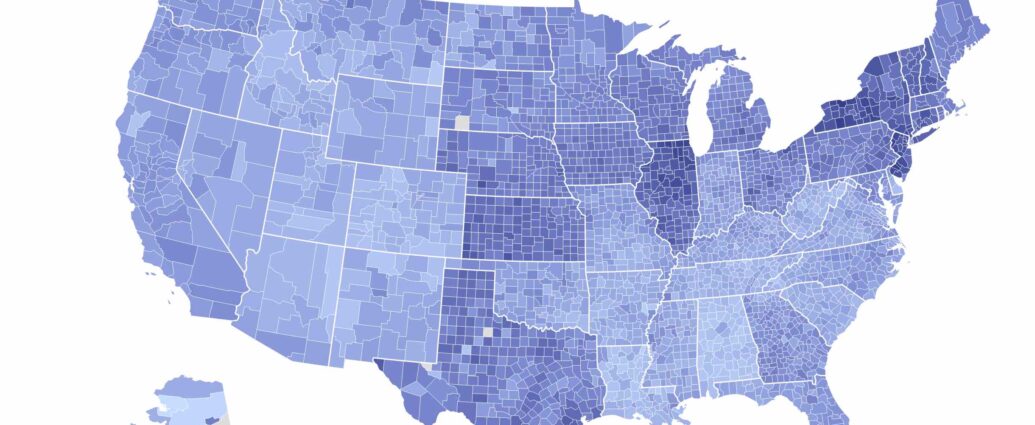
Discover the Cost of Property Taxes for Homeowners Across Different States
This post was originally published here

Opinion | Hawks and Doves Got Iran Wrong

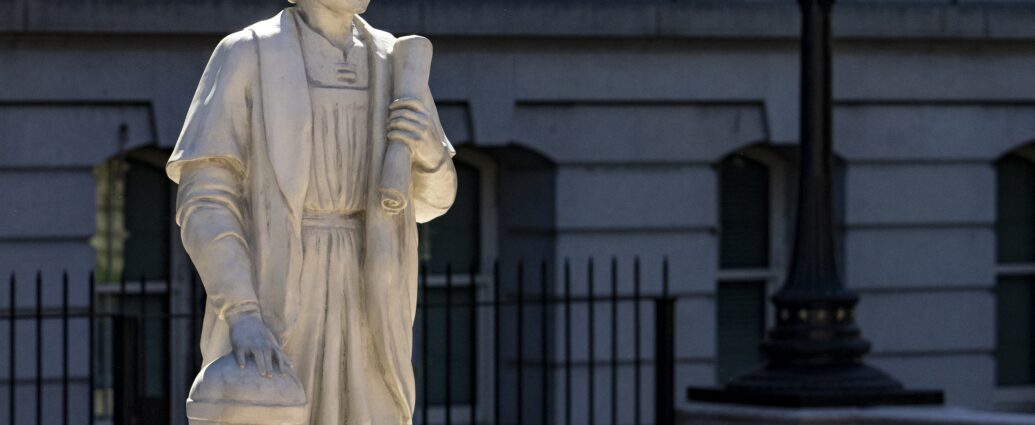
Trump administration places Christopher Columbus statue on White House grounds
The Trump administration placed a statue of Christopher Columbus on the White House grounds. Some people are not happy about it.
(Image credit: Jim Watson)

This post was originally published here
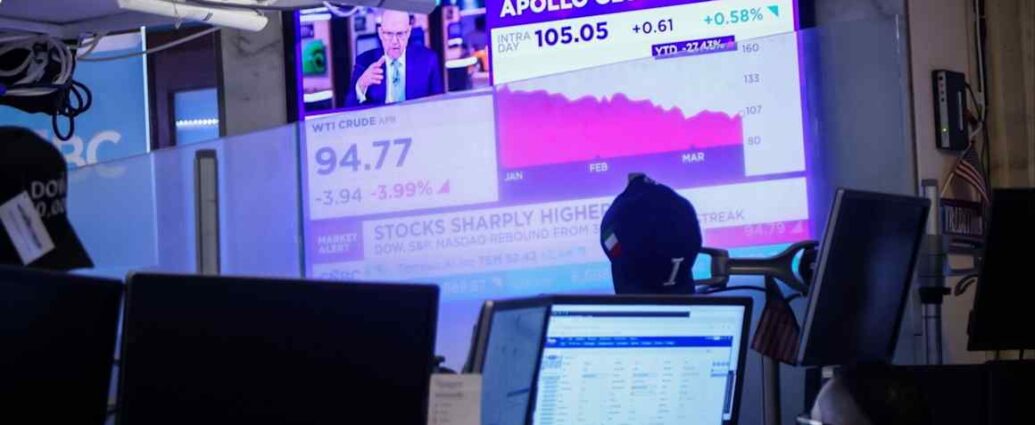
Apollo caps investor withdrawals from flagship private credit fund
This post was originally published here

DoorDash rolls out emergency gas relief as prices squeeze drivers
DoorDash is rolling out an emergency relief program to help delivery drivers cope with rising gas prices as the Iran war drives fuel costs higher.
The program, effective immediately through April 26, 2026, combines cash-back incentives with weekly payments to help reduce fuel costs for active Dashers.
At the center of the initiative is a 10% cash back offer on gas purchases for Dashers using the DoorDash Crimson Visa debit card. The company is also introducing weekly relief payments for Dashers who drive at least 125 miles while making deliveries, with payouts ranging from $5 to $15 depending on mileage.
Dashers who reach 125 miles earn $5 (about $1.00 per gallon in savings), those who hit 200 miles earn $10 (about $1.25 per gallon), and those who drive 250 miles earn $15 (about $1.50 per gallon).
TRUMP PROMISED LOWER COSTS; THE IRAN CONFLICT NOW THREATENS THAT PLEDGE
Drivers who qualify for both benefits could see total savings between $1.40 and $1.90 per gallon, depending on how much they drive.
“Rising gas prices have a real impact on Dashers, especially those who are delivering the most,” said Cody Aughney, vice president of dasher and logistics at DoorDash. “This program is about giving Dashers real savings at the pump.”
The move is part of DoorDash’s broader effort to support its driver network as fuel prices remain a key concern for gig workers who rely on their vehicles for income.
The effort comes as gas prices rise sharply nationwide.
A STATE-BY-STATE LOOK AT GAS PRICES AS IRAN CONFLICT PUSHES OIL HIGHER
The national average is now $3.95 per gallon, up $1.02 from a month ago, according to AAA.
Prices are climbing across nearly every region, with some states already well above the national average. On the West Coast, drivers are seeing the highest costs, with prices reaching $5.79 per gallon in California and $5.27 in Washington.
Along the East Coast, gas prices are nearing—or in some cases surpassing—$3.70 per gallon, including $3.86 in New York and $3.80 in Maine.
GET FOX BUSINESS ON THE GO BY CLICKING HERE
Meanwhile, in the Midwest, Illinois stands out with prices at $4.16 per gallon, while much of the region remains in the mid-$3 range. Prices are generally lower across the South, though still on the rise, with Texas at $3.62 and Florida at $3.93.

‘Rich Dad Poor Dad’ Author Robert Kiyosaki Says ‘Stop Eating For One Day’ and Buy Silver If You Can’t Afford $10 — Here’s His Warning
Robert Kiyosaki is doubling down on one of his most extreme warnings yet, arguing that a larger financial crisis may be approaching and that even small investors should begin shifting toward hard assets.
In a recent post on X, the “Rich Dad Poor Dad” author said the conditions that led to the 2008 financial crisis were never fully resolved, warning that rising global debt and risk in private credit markets could trigger a sharper downturn this time.
“I hope I am wrong,” Kiyosaki wrote. “Yet I am afraid that crash is now arriving.”
He pointed specifically to what he described as growing fragility in the financial system, suggesting that if major credit markets unwind, the impact could be “fast and destructive,” with retirement accounts among the most exposed.
But it was not just the macro warning that stood out.
Kiyosaki paired that outlook with a directive aimed at everyday investors. “If you do not have a spare $10, stop eating for one day” and use it to buy silver.
The comment reflects a core theme that has defined his investing philosophy for years. In his view, the biggest risk is staying entirely exposed to financial assets tied to the broader system.
Rather than relying on traditional portfolios, Kiyosaki continues to advocate for direct ownership of assets like gold and silver, arguing that they carry less counterparty risk during periods of financial stress.
That perspective is gaining traction in a …
This post was originally published here

Arlen Hansen: Gold, Silver Take a Hit — Real Price Dip or Blip?
Arlen Hansen, founder Kin Communications and host of the Kinvestor Report, shares his thoughts on the recent pullback in the resource sector, saying the bull run isn’t over. Click here to sign up for the Kinvestor Mining & Energy Conference, taking place on March 26. The event will feature 16 companies, plus a silver roundtable with Chen Lin and Peter Krauth. Don’t forget to follow us @INN_Resource for real-time updates!Securities Disclosure: I, Charlotte McLeod, hold no direct investment interest in any company mentioned in this article.
This post was originally published here
Ask the Points Pro: Why do I board last even if I pay for seat selection?
A points expert explains how to board earlier and move up the boarding queue
This post was originally published here
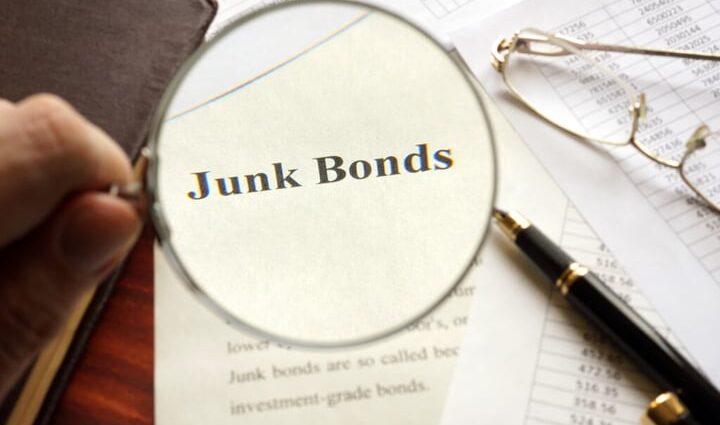
Vanguard To Enter Junk Bond ETF Race: Low-Cost VCHY Set To Challenge HYG, JNK Dominance
Vanguard is entering the space with a planned launch of its US High-Yield Corporate Bond Index ETF (VCHY), according to a recent SEC filing. Expected to debut in June, the fund will track Bloomberg’s US High Yield $250MM 2% Issuer Capped Index, marking a notable expansion of the firm’s fixed-income lineup. The move comes long after industry heavyweights like BlackRock and State Street Global Advisors launched their flagship high-yield ETFs in 2007.
Analysts expect VCHY to undercut peers on fees, consistent with Vanguard’s playbook. The iShares iBoxx $ High Yield Corporate Bond ETF (NYSE:HYG) and SPDR Bloomberg High …
This post was originally published here
Maryland park closed after string of explosive devices found
Officials say bomb squad called to Fort Washington Park, which has been closed by National Park Service
Authorities found several explosive devices across a Maryland park over the weekend, prompting the park’s closure.
In a statement on Monday, the Prince George’s county fire department said that its bomb squad responded to Fort Washington Park after “several explosive devices were located”, prompting the US Park Police to close the approximately 341-acre site.
This post was originally published here
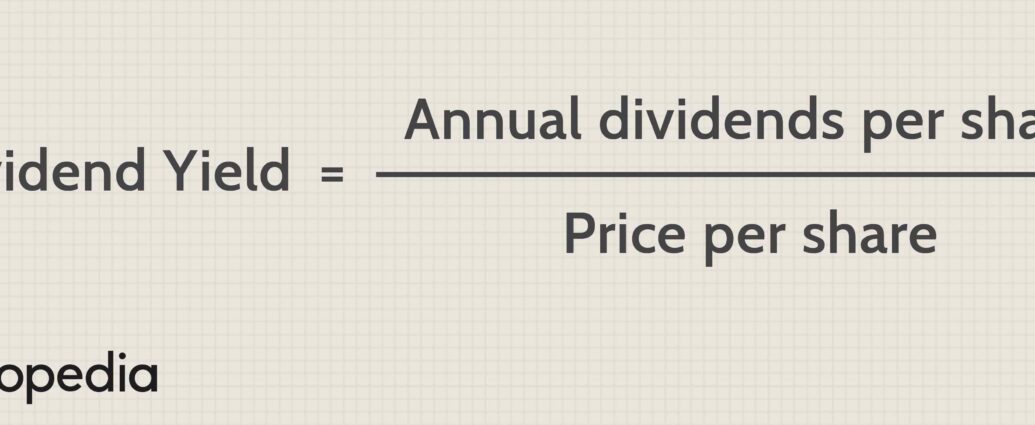
How to Calculate Quarterly Dividend Payments and Yield
This post was originally published here

Apollo, Bain Compete For Control Of Continental Industries
Private equity firms Bain Capital and Apollo Global Management are among several firms holding discussions about the potential purchase of Continental AG‘s industrial unit, ContiTech.
Industrial components manufacturer ContiTech is valued at $4.1 billion, Bloomberg reported. Deutsche Bank AG and Perella Weinberg Partners are running the sale process.
The process is understood to be ongoing and plans are subject to change.
Meanwhile, other private equity firms such as Advent, CVC Capital Partners have joined together to make an offer for the business. Platinum Equity, KPS Capital Partners and Clearlake Capital are also holding discussions in the bidding process.
In January, the company appointed Christian Kotz CEO and chairman of the board.
Nikolai Setzer stepped down from his role after more than 16 years as a board …
This post was originally published here

Bionano Genomics Stock Soars As Efficiency Gains Meet Growth Story
Bionano Genomics (NASDAQ:BNGO) just pulled back the curtain on its fourth-quarter results, and the message is clear: the company is getting leaner while its technology goes deeper into the clinical mainstream.
- BNGO stock is soaring. See the chart and price action here.
Despite a slight year-over-year revenue dip, the stock showed resilience, gaining nearly 27% in Monday’s regular session.
The Financials: Narrowing the Gap
For the fourth quarter, Bionano reported revenue of $8 million, landing at the high end of its previous guidance. While this was a 3% decrease from the prior year, the real victory was in the margins. Full-year gross margins skyrocketed to 46%, a massive leap from the 1% seen in 2024.
The improvement stems from a strategic shift toward recurring revenue. …

Estée Lauder in talks to combine with Jean Paul Gaultier owner Puig
This post was originally published here
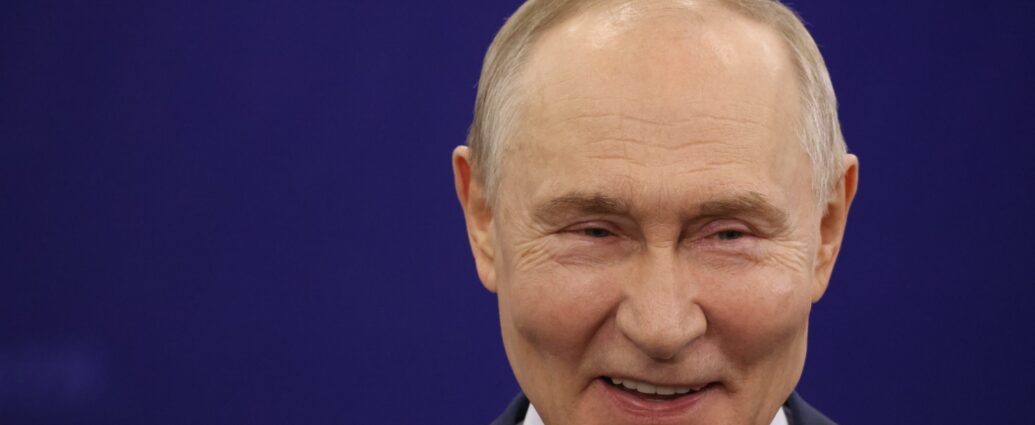
Putin is the real winner in Trump’s Iran war as it puts Russian oil back on the map
The war in Iran is spiking global oil prices, and Russian President Vladimir Putin couldn’t be happier.
The war has bottled up one-fifth of the world’s oil, putting a premium on the remaining supply, including Russian barrels.
Earlier this month, the U.S. issued a 30-day waiver that allows countries to buy Russian oil already at sea without the fear of sanctions, which the U.S. has steadily imposed on the country and those that buy oil from its largest producers since its full-scale invasion of Ukraine in 2022.
Treasury Secretary Scott Bessent has said the “deliberately short-term measure will not provide significant financial benefit to the Russian government.” But after years of big discounts and covert tactics to sell their oil abroad, the easing of Russian sanctions has already given Putin and other Russian officials new confidence, as well as hope that this U.S. leniency will last longer than its April 11 expiration date.
Prior to the Iran conflict, the Urals oil benchmark, on which most Russian crude is priced, stood at about $57 a barrel, a significant discount to Brent crude at $71 prior to the conflict. By Monday, Urals was trading at near parity to Brent at around $100, despite retreating by midday.
To be sure, Brent crude fell sharply on Monday, after President Donald Trump said he would postpone attacks on energy infrastructure as his officials negotiate with Iran on a way to end the war. Tehran denied it was in talks.
Still, Russia has earned an estimated $7 billion in the first two weeks of March from selling fossil fuels since the start of the war, according to a Guardian analysis of data from the Centre for Research on Energy and Clean Air (CREA).
The increase in oil has made Russia “the single biggest winners in the near term” from the Iran conflict, Wichita State University international business professor Usha Haley told Fortune.
Despite Bessent saying the 30-day waiver is “narrowly tailored” to oil already at sea, she said this caveat is hard to enforce in reality, especially given the large demand at the moment.
“It has actually rescued Russia’s oil revenues from decline and a decline over a very long period,” Haley said.
Four years after Russia invaded Ukraine, its fossil fuel exports, including coal, crude oil, liquified natural gas, pipeline gas, and oil products are 27% below pre-invasion levels, according to the CREA. As of February, the country’s fossil fuel exports had fallen 19% year on year, although the recent increase in demand due to the Iran war is likely to change that calculus, said Haley.
Putin intends to take advantage of the sudden opportunity while he can. The Russian president said during a Kremlin meeting with policymakers and Russian business leaders earlier this month it’s “important for Russian energy companies to make use of the current moment.”
He also appeared to troll his adversaries, saying Russia was ready to work with European countries as long as they are committed to “long-term cooperation” and are willing to drop “political overtones.”
Moscow’s special economic envoy, Kirill Dmitriev, went even further in a Telegram message earlier this month, saying “The U.S. has practically admitted the obvious,” with its 30-day waiver, the Washington Post reported. “The global energy market cannot remain stable without Russian oil.”
In more recent days, Dmitriev has continued to gloat on social media, lambasting the EU for distancing itself from Russia since its 2022 Ukraine invasion and predicting more pain for Western countries as a result of increased oil prices.
“Europe can finally enjoy the success of both its Green and Russophobic agendas—no oil, no gas,” he wrote in a post on X Sunday.
The Iran conflict, which is now in its fourth week, has led to a destabilization in the global oil supply due to Iran’s attacks on ships in the Strait of Hormuz, through which 20% of the world’s oil flows. As a result, the U.S. has taken steps to backstop supply including releasing 172 million barrels of oil from the strategic petroleum reserve—the second largest drawdown ever.
The U.S. last week also issued a 30-day waiver running through April 19 that would allow countries to purchase Iranian oil already loaded onto vessels. Bessent said in a post on X the move would bring 140 million barrels of oil to global markets.
However, the U.S’s easing of sanctions to try to bring stability to oil markets has been criticized by some as being ineffective for solving the global oil crisis.
Analysts at financial services firm Siebert Williams Shank, wrote in a report earlier this month that easing sanctions would not increase the supply of oil worldwide because much of this sanctioned supply already finds its way to the market by clandestine means.
“Sanctions have not materially impacted Russian production, only the price and markets they sell to, so they possess little incremental supply,” wrote the analysts.
Ukrainian President Volodymyr Zelenskyy, whose country has been locked in a full-scale war with Russia since 2022, has also said the move will embolden Putin.
“It spends the money from energy sales on weapons, and all of this is then used against us,” he said in a news conference with French President Emmanuel Macron earlier this month.
This story was originally featured on Fortune.com
This post was originally published here

Estée Lauder is in talks to merge with Puig amid ongoing turnaround plan
Estée Lauder said Monday the company is in talks to potentially merge with Spanish beauty company Puig.
This post was originally published here

CEO Compensation: Types, SEC Filings, and Investment Effects
This post was originally published here


Fennec Pharmaceuticals Earnings Are Imminent; These Most Accurate Analysts Revise Forecasts Ahead Of Earnings Call
Fennec Pharmaceuticals Inc. (NASDAQ:FENC) will release earnings results for its fourth quarter, before the opening bell on Tuesday, March 24.
Analysts expect the Research Triangle Park, North Carolina-based company to report quarterly earnings at 4 cents per share, versus a year-ago loss of 6 cents per share. The consensus estimate for Core & Main’s quarterly revenue is $14.73 million, versus $7.92 million a year earlier, according to data from Benzinga Pro.
On March 16, Fennec Pharmaceuticals announced a settlement agreement resolving PEDMARK patent litigation.
Fennec Pharmaceuticals shares gained 1.8% to close at $7.45 on Monday.
Benzinga readers can access the latest analyst ratings on the Analyst Stock Ratings page. Readers can sort by stock ticker, company …
This post was originally published here

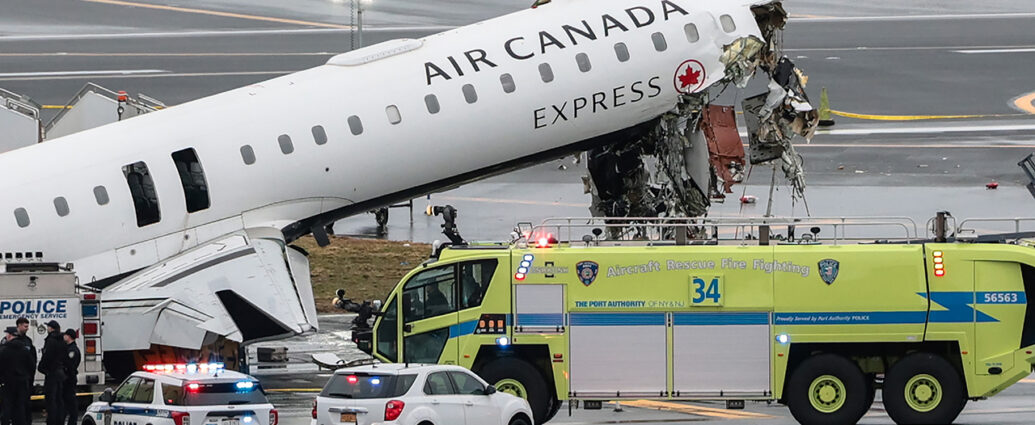
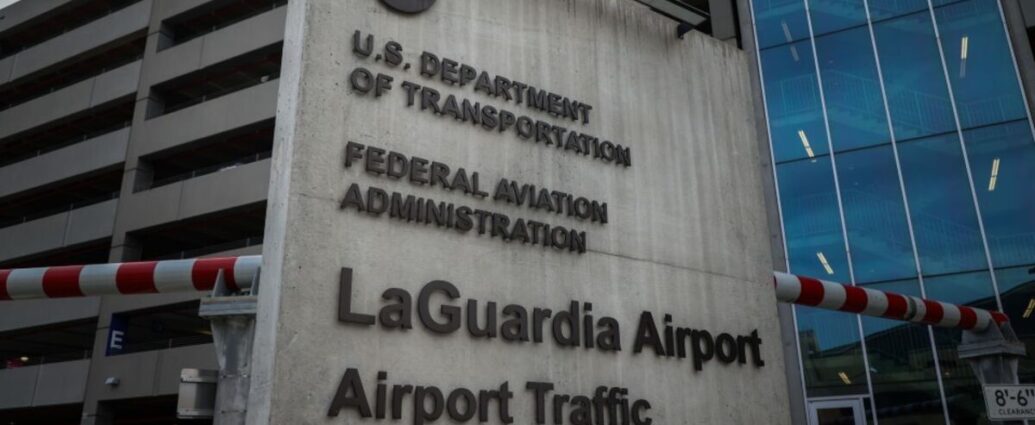
Fatal LaGuardia collision renews focus on runway incursion risks across US
Runway incursions remain a threat to the safety of air travel as jets face risks from collisions with other aircraft as well as vehicles on the tarmac.
An incident occurred at New York’s LaGuardia Airport late Sunday night when an Air Canada Express CRJ-900, operated by the airline’s regional partner Jazz Aviation as Flight 4686, collided with a fire truck while it was landing. The jet carried 72 passengers and four crew members and arrived in New York from Montreal.
The collision killed both the pilot and first officers, according to Jazz and the Port Authority of New York and New Jersey, while dozens of injuries were reported. The National Transportation Safety Board (NTSB) sent a team of experts to investigate the incident.
The tragic accident comes as the public has in recent years become more aware of runway incursions at the nation’s airports, which occur when an aircraft, vehicle or person is incorrectly present in an area designated for the landing and take off of an aircraft.
HUNDREDS OF FLIGHTS CANCELED, DELAYED AT LAGUARDIA AIRPORT AFTER AIR CANADA RUNWAY COLLISION
Data from the Federal Aviation Administration (FAA) showed that there were 97 runway incursions reported in January of this year – a slight decline from the 133 reported in the same month last year, as well as the 118 incursions in January 2024 and the 123 incursions that were recorded in January 2023.
Of the incursions reported this January, 17 were classified as operational incidents while 56 were attributed to pilot deviation, 22 to deviations by vehicles or pedestrians, and two others were classified as “other” in the FAA’s data.
AMERICAN AIRLINES JET CANCELS TAKEOFF AFTER LAX RUNWAY INCURSION
Boyd Group International President Mike Boyd told FOX Business that “this incident, as tragic as it is, is an indication of the complexity of running an airport, not so much an indication that we have a sloppy system. It’s just a system that does occasionally fail because ‘I didn’t hear the message.'”
“We’re highly, highly dependent upon humans here. We’re dependent upon the people in the cockpit, we’re dependent upon not just technology but the people in the towers, and sometimes things can fall through,” he said.
FAA ROLLING OUT NEW TECHNOLOGY TO REDUCE RISK OF RUNWAY ACCIDENTS
Boyd said the LaGuardia collision and a 2024 incident in Japan when two aircraft collided on the runway show that while such incidents are relatively rare, there are also ways safety systems can be improved to prevent them from becoming a recurring issue.
He added that while there have been instances in which traffic control systems haven’t been as safe as they needed to be at a given moment, it has generally been safe and effective.
GET FOX BUSINESS ON THE GO BY CLICKING HERE
Boyd also said that “we just have to work to make sure we have fewer runway incursions, particularly now that we have the benefit of a lot more scrutiny of when these things happen. We didn’t have that before. We do now – that’s a good thing.”
How high could global inflation go?
With luck, the Iran war won’t cause a recession. But the surge in energy prices will push up the cost of living
This post was originally published here
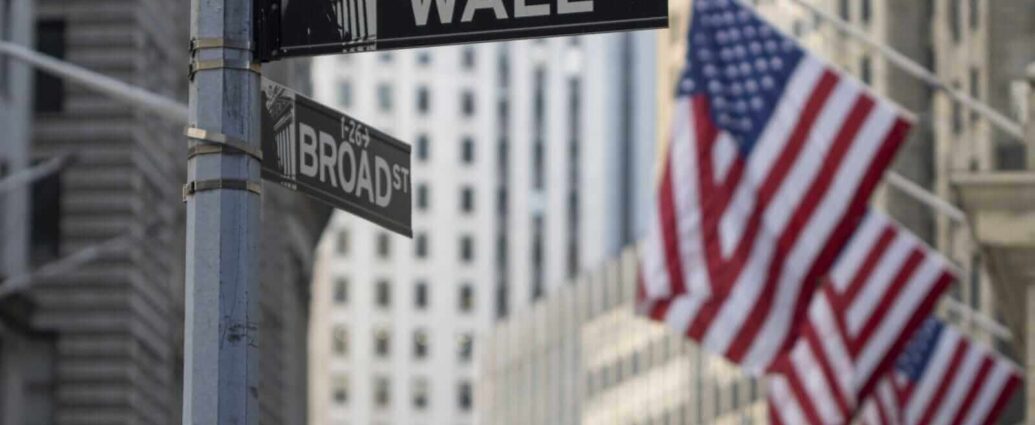
Trump administration to pay French company $1B to drop U.S. offshore wind leases
TotalEnergies has agreed to what’s essentially a refund of its leases for projects off the coasts of North Carolina and New York, and will invest the money in fossil fuel projects instead, the Department of Interior announced.
(Image credit: Thomas Padilla)

This post was originally published here



Applied Optoelectronics (AAOI) Stock Rises On New Order From Major Hyperscaler
Applied Optoelectronics Inc (NASDAQ:AAOI) shares are trading higher in Monday’s after-hours session after the company announced a new order from a major hyperscaler.
- Applied Optoelectronics stock is among today’s top performers. What’s fueling AAOI momentum?
Applied Optoelectronics Receives Data Center Order
Applied Optoelectronics announced that one of its major hyperscale customers placed an initial volume order for 800G single-mode data center transceivers totaling more than $53 million.
The undisclosed customer plans to use the transceivers to help expand its network capacity for AI-driven workloads. Applied Optoelectronics said the …


IBM’s new AI tool lets Masters fans search over 50 years of tournament history with a simple question
As golf fans anticipate the 90th Masters Tournament at the illustrious Augusta National Golf Club, IBM continues to innovate the way they consume the first major championship of the season, including this year with its new AI-enabled digital experiences.
IBM and the Masters Tournament announced Monday the new and enhanced digital fan features on the award-winning Masters digital platforms, including the Masters app, as they continue to evolve over their 30-year collaboration to bring rich history and on-course excitement to the millions watching from April 9-12.
One of those new features is within the Masters Vault video archive, which allows fans to explore over 50 years of Masters Tournament final round broadcasts.
CLICK HERE FOR MORE SPORTS COVERAGE ON FOXBUSINESS.COM
Now, using the watsonx AI-powered capabilities, IBM and the Masters Tournament are introducing the Masters Vault Search, where fans can find the shots and moments they’re looking for through simple, conversation-style prompts.
A system of AI agents, powered by specialized solutions including IBM’s Granite small language models (SLM) and agentic AI platform watsonx Orchestrate, has been built to instantly find the exact clips fans are searching for. Once performed, fans will be able to watch full-length replays, as they relive, reminisce and prepare themselves for the coming action in this year’s tournament.
The Masters Vault Search is also built with optical character recognition, speech-to-text transcription of broadcast commentary and scene detection to analyze the footage a fan is looking for.
UFC AND IBM REVEAL AI-POWERED ‘IN-FIGHT INSIGHTS’ TECHNOLOGY AHEAD OF MADISON SQUARE GARDEN EVENT
The vault dates to 1968, which means fans can see Jack Nicklaus’ 1975 back-nine charge, including his famous 40-foot birdie putt on 16, to capture his fifth green jacket. Nicklaus’ sixth green jacket is arguably the greatest Masters finish in tournament history, shooting 30 on the back nine with a birdie-birdie finish to win his sixth jacket.
Then, there’s Phil Mickelson’s winning putt in 2004, Tiger Woods’ iconic chip-in at 16 the year after, and of course, Rory McIlroy completing the career Grand Slam in a thrilling 2025 tournament. Individual stroke data, which started in 2015, will be available as well.
Finally, the AI-powered Hole Insights returns for its third year, and is even more accurate than before. This feature provides fans insights around every shot taken by every player on every hole during the Masters.
The new enhancement combines on-course visuals with data-driven insights, including historical scoring probabilities and contextual performance trends. This helps fans better understand how each shot, position and decision will impact outcomes for golfers throughout the four-day tournament.
Also, legendary caddie and commentator Jim “Bones” Mackay advised the IBM team behind the solution, lending his expertise and first-hand knowledge of one of the hardest golf courses in the world to better deliver the analysis for fans to consume.
“The Masters Tournament and IBM have continually raised the bar on unique digital experiences that blend cutting-edge technology with the timelessness of Augusta National Golf Club,” Jonathan Adashek, senior vice president of marketing and communications at IBM, said in a press release. “The introduction of Masters Vault Search and updates to Hole Insights show how generative and agentic AI can transform vast amounts of data into meaningful insights – whether you’re a golf fan who wants to understand the implications of a single shot in real time, or a financial institution using AI to analyze millions of transactions to identify patterns and inform decisions.”
GET FOX BUSINESS ON THE GO BY CLICKING HERE
IBM and the Masters Tournament have been pioneering the enhanced fan experience with the use of emerging technology. IBM is also partnered with iconic sports and entertainment organizations, including the UFC, Wimbledon and the U.S. Open, among others, where fan experiences are powered by the same AI hybrid cloud solutions used by clients across industries.
Those using the Masters digital platforms will also be able to use key features for this year’s tournament like AI Highlights, Round in Three Minutes, My Group, and even access the Masters app on Apple Vision Pro.
Follow Fox News Digital’s sports coverage on X and subscribe to the Fox News Sports Huddle newsletter.

Unethical Stocks: Profit Opportunities and Moral Challenges
This post was originally published here
Jet fuel jump is a buying opportunity for a great airline comeback story, says Tim Seymour
The investor lays out the case for this best-in-class airline for the long term.
This post was originally published here

Bitcoin climbs as Trump grants five days for Iran negotiations
Bitcoin rose alongside equities while oil prices fell after U.S. President Donald Trump said the U.S. had begun talks with Iran, raising hopes for a deal to ease the conflict.
The original cryptocurrency advanced more than 5% to trade as high as $71,794 in New York before paring some of the gain. Smaller tokens including Ether and Solana also rose.
Bitcoin had earlier on Monday been fluctuating around a two-week low, sliding as far as $67,371 — its lowest level since March 9. The token has been volatile since the conflict in Iran began in late February, at one point jumping to a high of nearly $76,000 before tumbling once more as tensions in the region escalated.
“Currently, the situation in the crypto market does not appear as severe as it did at the end of February, when sentiment was at the same level,” said Alex Kuptsikevich, chief market analyst at FxPro.
Bitcoin initially climbed after the U.S. president said he would delay strikes on Iranian energy facilities and infrastructure for five days. Risk assets rallied more broadly, with the S&P 500 gaining 1.5%, while Treasury yields and the dollar declined as traders pared back some of their more hawkish Federal Reserve bets.
Flows that have been supporting Bitcoin’s price over the last fortnight had weakened going into Monday, with inflows into U.S. exchange-traded funds tied to the cryptocurrency turning negative.
“A potential catalyst to stabilize the markets for now would be some sort of de‑escalation in the Middle East, or at minimum a resumption of normal traffic through the Strait of Hormuz,” analysts on Laser Digital’s derivatives trading desk wrote in a note on Monday.
“This could set off a chain of oil price stabilization, followed by rates consolidation and improved risk sentiment,” they added. “Minus this, crypto markets are likely to stay heavy.”
Trump on Monday said representatives from Iran reached out to start talks with the U.S. because they were eager to make a deal after his threat to strike energy facilities. But Iran’s parliament speaker, Mohammad Bagher Ghalibaf, on Monday said in a social media post that the US president’s claims were fake news “used to manipulate the financial and oil markets.”
This story was originally featured on Fortune.com
This post was originally published here


Dow surges 600 points in relief rally after Trump says U.S. and Iran have had ‘productive’ talks: Live updates
President Donald Trump said the U.S. and Iran have held talks and that he was halting strikes on Iranian power plants and energy infrastructure.
This post was originally published here

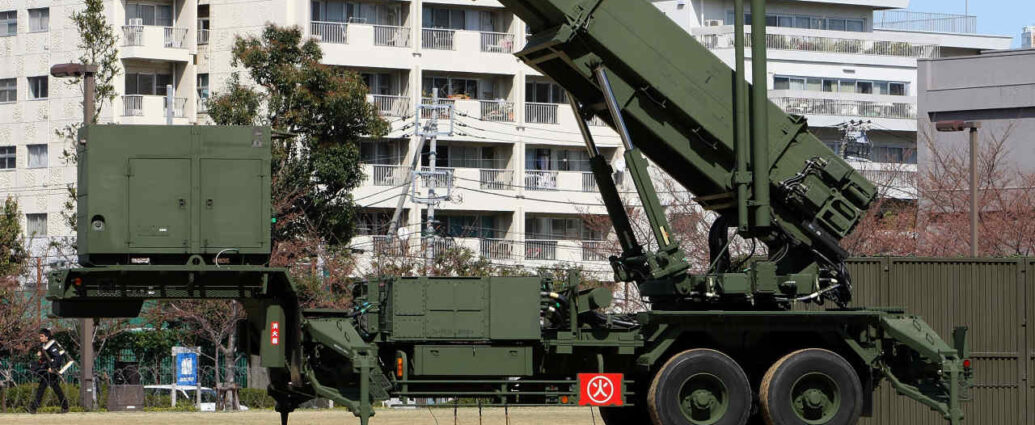

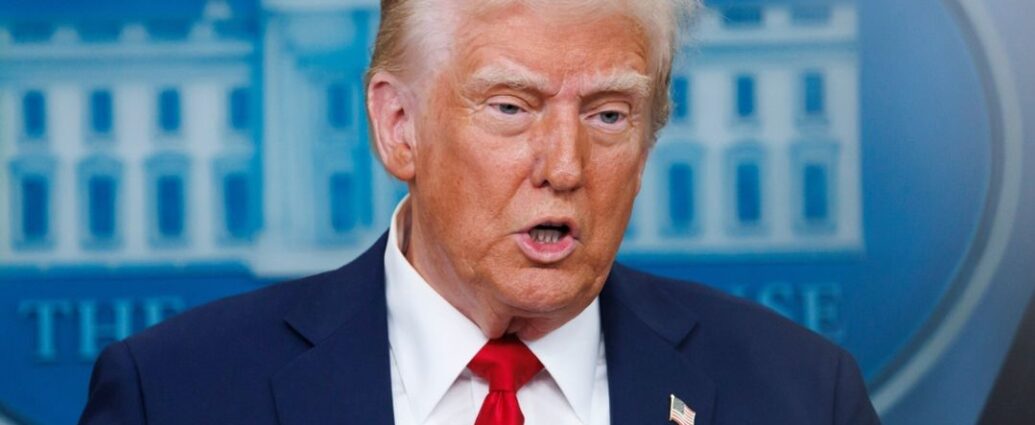


Asia wants more U.S. oil and gas to reduce Middle East dependence after Iran war, Burgum says
Japan, South Korea and Taiwan rely heavily on exports through the Strait of Hormuz.
This post was originally published here

Lazard Global Total Return and Income Fund Declares Monthly Distribution and Issues Estimated Sources of the Distribution Announced in February
NEW YORK, March 23, 2026 /PRNewswire/ — Lazard Global Total Return and Income Fund, Inc. (the “Fund”) (NYSE:LGI) is confirming today, pursuant to its Managed Distribution Policy, as previously authorized by its Board of Directors, a monthly distribution of $0.15340 per share on the Fund’s outstanding common stock. The distribution is payable on April 22, 2026, to shareholders of record on April 10, 2026. The ex-dividend date is April 10, 2026.
The Fund will pay a previously declared distribution today, March 23, 2026. The following table sets forth the estimated amounts of the current distribution and the cumulative distributions paid, including today’s distribution, from the following sources: net investment income, net realized capital gains (short-term and long-term), and return of capital. All amounts are expressed per share of common stock and are based on accounting principles generally accepted in the US, which may differ from federal income tax regulations.
|
Current Distribution |
% of the Current |
Total Cumulative |
% of the Total Cumulative |
|
|
Net Income |
$0.01796 |
12 % |
$0.02317 |
This post was originally published here
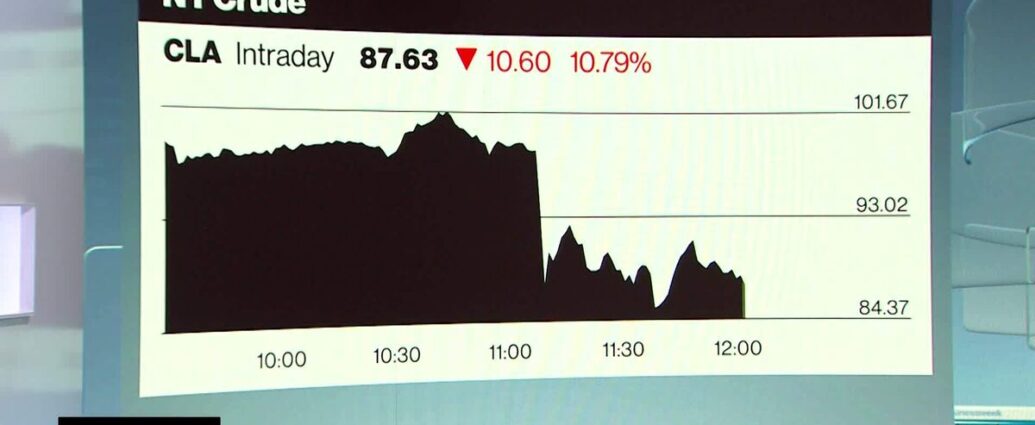
Oil tumbles nearly 11% after Trump puts hold on U.S. strikes against Iran energy infrastructure for five days
President Donald Trump said Monday that the U.S. and Iran had productive talks over the weekend about ending the war.
This post was originally published here



The stock market sell-off was deeper than it looked. And that bodes well for a future comeback
The S&P 500’s price-to-earnings ratio shows the drawdown was actually more intense than it seemed. That’s good news for investors looking for a recovery rally.
This post was originally published here
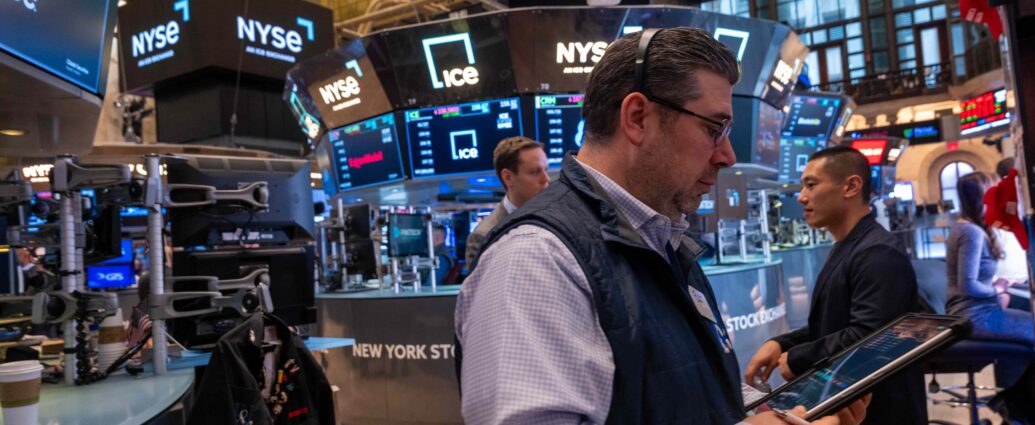
Markets News, March 23, 2026: Indexes End Sharply Higher, Oil Retreats as Trump Says US to Postpone Threatened Strikes on Iran Power Plants
This post was originally published here
Stock Market Today: Major Indexes End Sharply Higher, Oil Retreats as Trump Says US to Postpone Threatened Strikes on Iran Power Plants
This post was originally published here
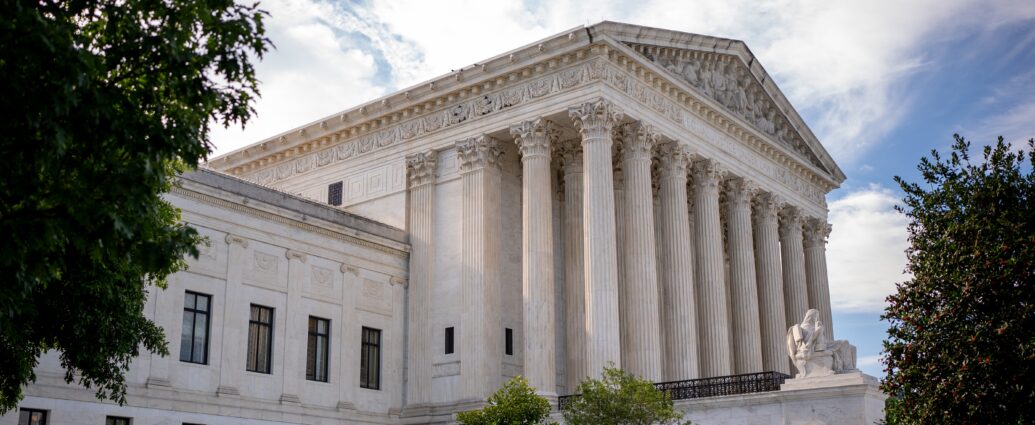
Supreme Court skeptical of laws counting mail-in ballots after election day
The Supreme Court heard arguments today in a case that tests whether states should be allowed to count ballots that are mailed on time but arrive after Election Day. The case could have broad implications.
(Image credit: Andrew Harnik)

This post was originally published here
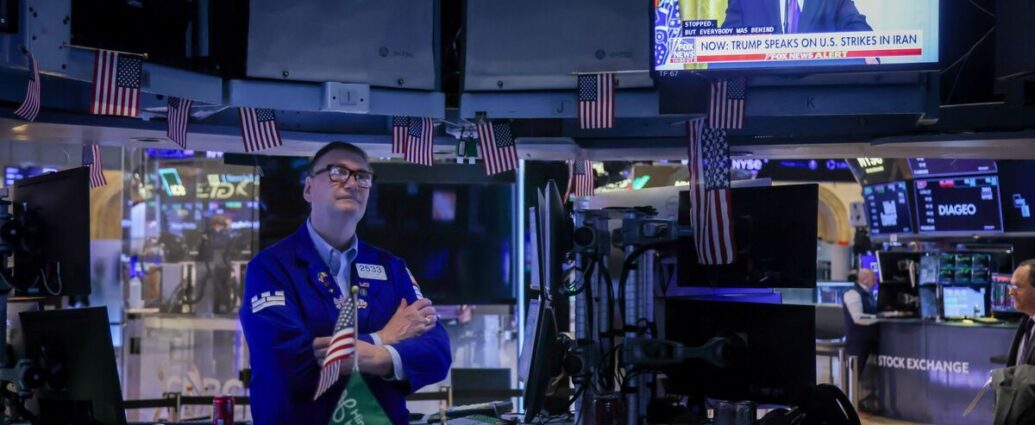
Social Security ‘doesn’t allow most Americans to build wealth,’ BlackRock’s Larry Fink says
Social Security is “one of the most effective poverty-prevention programs in history,” but it could be improved, BlackRock CEO Larry Fink wrote in a new letter.
This post was originally published here

Bets on US-Iran ceasefire show signs of insider knowledge, say experts
New online accounts on Polymarket platform betting a total of $70,000 suggest ‘some degree of inside info’
Several accounts on the online platform Polymarket laid bets on a US-Iran ceasefire over the weekend that appeared to show signs of insider knowledge, according to experts.
Eight accounts, all newly created around 21 March, bet a total of nearly $70,000 (£52,000) on there being a ceasefire. They stand to make nearly $820,000 if a such a deal is reached before 31 March.
This post was originally published here
Surprise US talks with Iran’s fractured leadership offer uncertain path out of conflict
Speaker Mohammad-Bagher Ghalibaf at first dismissed talks took place, insisting Trump’s claim was ‘fake news’ designed to soothe markets
The backchannel talks between Donald Trump’s special envoy, Steve Witkoff, and the Iranian foreign minister, Abbas Araghchi, were not a secret in the sense that the Egyptian Foreign Ministry had tweeted that conversations were under way on Sunday, 24 hours before Donald Trump’s late Monday deadline to start blowing up Iran’s energy infrastructure.
But such is the chaos surrounding the process that the discussions – thought to be well short of negotiations – may have lasted longer than Sunday, with more than one mediator, as is often the case, jostling for the title of peacemaker in chief.
Pakistan’s army chief, Asim Munir, for instance, spoke with Trump on Sunday, while Pakistani prime minister, Muhammad Shehbaz Sharif, held talks with Iranian president, Masoud Pezeshkian, on Monday. It is possible Pakistan could become the venue for further talks that this time would include JD Vance, the vice-president, a private sceptic about the war. Keir Starmer, the UK prime minister, was right to warn not to bank on an early end to the conflict.
This post was originally published here


No new meningitis cases linked to Kent outbreak found, health agency says
UKHSA reports 29 cases, the same figure as on Sunday, raising hopes the outbreak has been well contained
No new cases of meningitis linked to the outbreak in Kent have been detected, raising hopes that it has been well contained and has not led to people elsewhere catching the disease.
The number of people affected remains at 29, of which 20 are are confirmed and nine probable cases in what health officials say is an “explosive” outbreak – the biggest to occur in the UK in a generation.
This post was originally published here
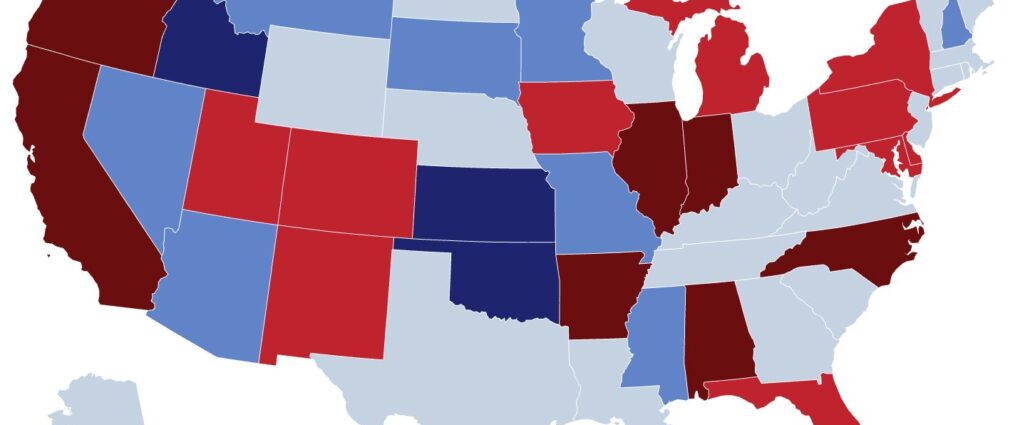
Gas Prices Have Risen 98 Cents in March—See What Drivers in Your State Are Paying Now
This post was originally published here

What Record Home Relistings Reveal About the Housing Slowdown
This post was originally published here

Redfin Economists’ Weekly Take: Iran War Drives Rate Volatility
This Week In A Nutshell: The Iran War continues to fuel market volatility as it enters its fourth week, particularly as the White House signals it is seeking a resolution.
Upcoming Attractions
This week will feature many speaking engagements from various Fed officials, but key economic data releases will be scarce. The primary focus for markets will continue to be on the situation in the Middle East, specifically the timeline for resuming oil shipments from the Persian Gulf. Rates may also come down this week if Fed officials, in their speeches and interviews, attempt to change the rather hawkish impression left after last week’s press conference with Fed Chair Powell.
Last Week’s Highlights
Last week, daily average mortgage rates jumped from 6.36% to 6.53% as 10-year Treasury yields increased from 4.22% to 4.39%. Much of the movement came late in the week, starting with the Fed’s Wednesday conference. Rate movement intensified on Friday after President Trump said the U.S. was sending thousands of Marines to the Middle East. The Fed press conference nudged rates higher as Fed officials were seen as setting a high bar for any rate cuts this year. By Friday, the fed funds futures market was pricing in 5 to 10 bps of rate hikes in 2026, and no rate cuts until late into 2027. On February 27, when mortgage rates briefly touched 5.99%, investors were pricing in 60 bps of rate cuts this year. Sentiment has swung very dramatically in the last four weeks.
Diving a Little Deeper
The main question on everyone’s mind in housing: Will mortgage rates keep going up, or will they come back down to the lows we saw in late February? There are many layers of uncertainty, including the duration of the Iran war and how the economy reacts, along with the Fed’s response to changing economic conditions and the market’s forecasts for Fed policy.
Economists widely expect that these oil price spikes won’t lead to more restrictive Fed policy. Economists believe the Fed will be more worried about the risk of labor market deterioration than inflation with higher gas prices. However, investors interpreted Fed Chair Jerome Powell’s statements last week to mean the Fed is unlikely to cut interest rates this year, particularly his remarks about needing to see an improvement in inflation. Indeed, markets are now pricing in a 20% chance of a rate hike this year, and 0% chance of a rate cut.
It is definitely possible markets have overshot their expectations for the Fed, meaning rates are much higher right now than they need to be. To that point, Chair Powell actually downplayed the risk of a hike last Wednesday even while cautioning that the timing of the next cut is uncertain. The bar for the Fed to hike rates for the first time since July 2023 is high, and we’re unlikely to hit it given general macroeconomic conditions.
But whether markets have swung too far doesn’t matter for the housing market. Mortgage rates are high, and that is what consumers are experiencing. The housing market was already fragile to start the year, despite improving affordability. Housing demand was already underperforming where mortgage rates were because of lingering lock-in effects and labor market weakness. And this current bout of volatility couldn’t have come at a worse time. Much like last year’s Liberation Day, the war threatens to derail the start of the spring homebuying season.
Redfin Housing Market Reports
The Top 20% of Earners Hold Nearly 60% of America’s Real Estate Wealth
- By comparison, the bottom 20% of U.S. earners hold just 5% of real estate wealth.
- The average rate for an ARM so far this month is 5.51%, compared with a 6.19% average for a 30-year fixed rate mortgage.
- The typical homebuyer using an ARM takes on a monthly payment of $2,578, down 7% from last year.
- Today’s ARM discount is big enough that buyers should talk to their lender about whether it’s the right option for them. ARMs aren’t nearly as risky as they once were; they come with interest-rate caps and protection for borrowers.
Homebuyers Can Afford to Take Their Time Heading Into Spring 2026
- The typical home that went under contract in February spent 66 days on the market—the slowest February pace in a decade.
- The typical buyer scored 1.8% off the list price—the biggest February discount since 2023; sellers outnumber buyers, giving buyers negotiating power.
- Pending home sales and new listings both inched down last month, while home prices inched up.
There Are 630,000 More Home Sellers Than Buyers—the Biggest Gap on Record
- When sellers outnumber buyers, the buyers who are in the market have bargaining power. In other words, it’s a buyer’s market.
- The strongest buyer’s markets are in the South, while the strongest seller’s markets are in the Northeast.
The post Redfin Economists’ Weekly Take: Iran War Drives Rate Volatility appeared first on Redfin Real Estate News.

5 Essential Insights About Financial Advisors Everyone Should Know
This post was originally published here

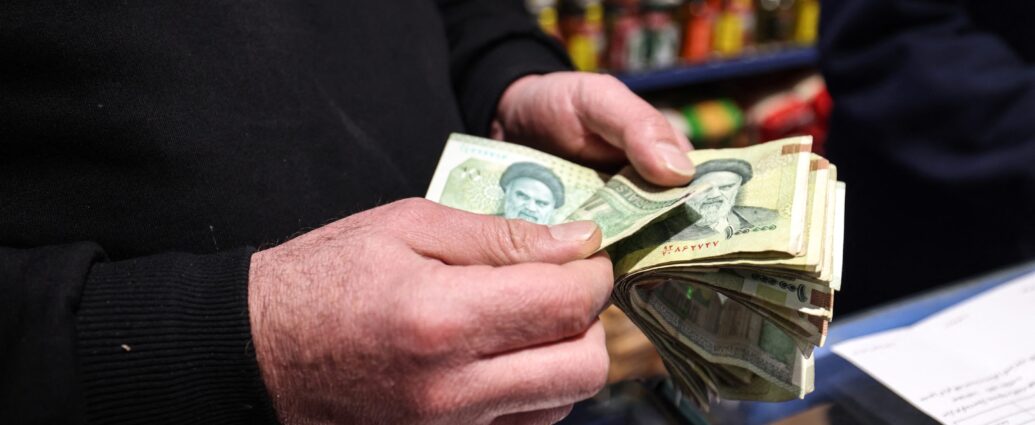
Iran issues its largest-ever currency denomination as accelerating inflation ravages a financial sector deemed a ‘Ponzi scheme’ even before the war
Iran’s economy was already crashing before the U.S. and Israel launched a war against the Islamic republic three weeks ago, and the relentless bombing since then has wreaked even more havoc.
In fact, high inflation triggered mass protests in December and January, prompting the regime to massacre tens of thousands of its own citizens. President Donald Trump warned Tehran against further violence and began a military build-up that led to the current conflict.
Inflation has worsened and apparently is so bad now the government issued its largest-ever currency denomination: the 10 million rial note (equivalent to about $7).
The new currency went into circulation last week, according to the Financial Times, and comes just a month after the prior record holder, the 5 million rial, came out.
As prices continue to spiral higher while the war boosts demand for cash, long lines formed to withdraw the fresh banknotes, and supplies quickly ran out.
Iran’s central bank said electronic payments are still the main methods for transactions, though the 10 million rial bill will “ensure public access to cash,” the FT reported.
But doubts about the viability of electronic payments have grown during the war as the U.S. and Israel target the regime’s levers of control.
In addition to bombing Islamic Revolutionary Guard Corps and Basij paramilitary forces, a data center for Bank Sepah was also hit on March 11. Sepah is the country’s largest bank and is responsible for paying salaries to the military and IRGC.
“Iran is already in the middle of a severe cash liquidity crisis,” Miad Maleki, a senior advisor at the Foundation for Defense of Democracies and a former Treasury Department official, said on X earlier this month. “As of Jan 2026, banks were running out of physical banknotes daily, with informal withdrawal caps of just $18–$30/day. Cash in circulation surged 49% YoY due to panic hoarding. The regime simply cannot pivot to cash payments, there isn’t enough physical currency in the system.”
Meanwhile, a currency collapse that began after last year’s U.S.-Israeli bombardment has fueled crippling inflation. The rial lost 60% of its value in the months after the 12-day war, and food inflation soared to 64% by October. It accelerated further to 105% by February, vaulting overall inflation to 47.5%.
The exchange rate fell as low as 1.66 million rials per $1 last month, though it strengthened to about 1.5 million rials as the U.S. temporarily lifted sanctions on Iranian oil.
Heightened demand for cash further stresses a financial system that was considered dubious even before the current war started three weeks ago.
The failure of Ayandeh Bank late last year forced the regime to fold it into a state-run lender, underscoring how fragile the sector was as bad loans piled up to politically connected cronies.
“This was largely theater. In reality, Iran’s entire banking system is insolvent, its balance sheets sustained by fiction rather than assets,” Siamak Namazi, who was a U.S. hostage in Iran from 2015 to 2023, wrote in a report for the Middle East Institute in January.
During his captivity, he learned from imprisoned former officials and business elites that politically connected borrowers bribed assessors to inflate the value of properties, which were used to obtain massive loans.
Instead of repaying the loans, borrowers just gave their properties to the bank, which sold them to other banks at a paper profit, according to Namazi. Those banks knew the properties were overvalued “garbage,” but played along in the scheme by dumping their own toxic assets in exchange and booking fictitious gains.
“The result is a closed-loop Ponzi scheme, sustained by mutual deception and regulatory complicity,” he added. “This practice has metastasized over the past 15 years and is far more extensive than this simplified description suggests. And this is only the banking system. Much of the rest of Iran’s economy is afflicted by similarly entrenched corruption and mismanagement.”
This story was originally featured on Fortune.com
This post was originally published here


Gold Taps $4,100 And Dollar Emerges As Ultimate Crisis Safe Haven, Says TD Securities Strategist
Gold (NYSE:GLD) fell as low as $4,100 on Monday before recovering above $4,400, erasing all of its 2026 gains after the metal’s worst week since 1983.
The sell-off has wiped more than 20% from January’s all-time high of $5,590, and Daniel Ghali, senior commodity strategist at TD Securities, says the safe haven crown has changed hands entirely.
“The dollar has been the ultimate safe haven during this conflict,” Ghali said, “That is detrimental to gold since over the last year, gold has been the ultimate safe haven.”
The Trade That Broke
The logic appears straightforward. The war pushed oil above $100, which may be reigniting inflation and eroding rate-cut expectations. The dollar and Treasury yields have both climbed. Gold pays no yield, so in …
This post was originally published here


Labor Mobility: Boosting Productivity and Economic Growth
This post was originally published here
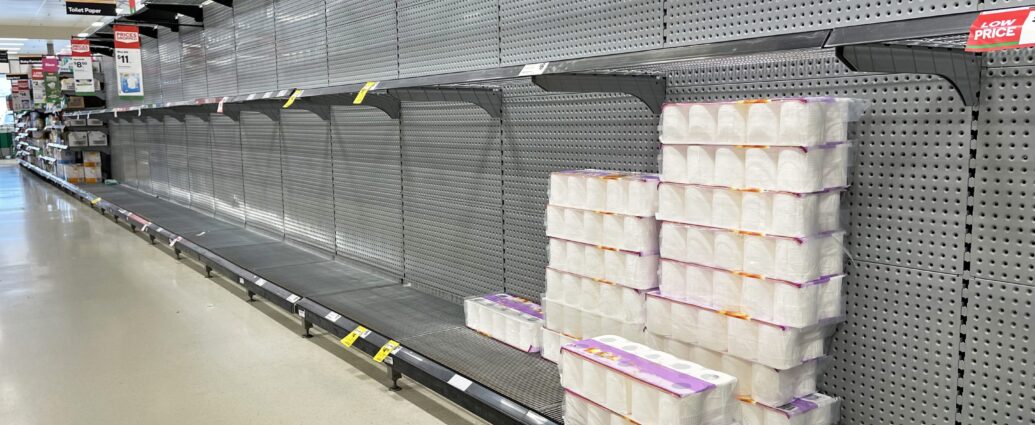
The great toilet paper panic is back as Japan starts stockpiling
Panic buying is back in Japan.
As the U.S.-Israeli-Iran conflict rattles oil markets, Japanese consumers are stockpiling toilet paper—a product with no connection to the disruptions whatsoever, but that has caused enough problems for the country that the Japanese government has urged citizens to stop buying ahead of time. Still, social media posts depicting empty toilet paper abound.
But why would people panic buy goods unrelated to or not affected by the conflict? Panic buying behaves much like a bank run. Nobody knows exactly where it starts—some single, bleating data point that says this store is going to run out of toilet paper, or this bank is going to run out of money.
Back in the olden days that data point, a verifiable person, would run and holler at their neighbors; “Hey Johnny, take your money outta the bank! They’re about to run out!” and Johnny would go a-running. Now someone posts on social media that COVID-19, tariffs, or the war with Iran is going to nuke toilet paper stock, and strangers across the country start loading up their carts.
Pandemic-era panic buying is making a comeback
This was the situation with the great panic of COVID-19. On March 12, 2020, toilet paper sales surged 734% compared to the same day the year before, making it the top-selling grocery item in the world that day. By the time the Great Toilet Paper panic of 2020 was over, 70% of the world’s grocery stores would have run out at some point—a record.
The shortage was so severe it caused a measurable shift in American bathroom habits: Bidet sales spiked and, for many households, stuck. But researchers who studied the episode afterward found no actual supply chain disruption for toilet paper. Production was steady and distribution was intact. Rather, the shortage was almost entirely a creation of panic and hype.
Now the panic buying is back—this time in Japan—and in some ways it makes even less sense. During COVID, supply chains across every sector were under strain, so the instinct to stockpile had, at least, a logical ambiance. Today, the disruptions are due to tightening in oil markets tied to the conflict in Iran, and little to do with consumer packaged goods. But Japan has its own deep history with toilet paper panic, and that history has its own logic.
Japan’s history with toilet paper panics
The original Japanese toilet paper crisis came in 1973, also triggered by turmoil in the Middle East over oil. It began when Yasuhiro Nakasone, then the minister of international trade and industry, called on the public to conserve paper products. The announcement was meant to signal some austerity. Instead, it sparked rumors that paper supplies were running out—and Japanese consumers, particularly women managing household budgets, began buying enormous quantities of toilet paper. Academics have described the panic as a response to the growing instability of the middle class, a fear their livelihoods were held up by smoke and mirrors.
Since then, Japan has raced for its toilet products every time a crisis rolls around. The devastating earthquake and tsunami of 2011 triggered the same kind of hoarding behavior, though apparently there were some actual disruptions in affected regions. Now, the cycle is repeating itself.
What makes toilet paper the perennial target? It’s bulky and distinctly finite—when it’s gone from the shelf, it’s conspicuous. And unlike food, which you consume and replace in a rhythm, toilet paper occupies a kind of psychological category all its own, a symbol of long-term stability and responsibility.
“The importance of toilet paper…runs deep into the soul of modern culture,” anthropologist Grant Jun Otsuki wrote about the COVID shortage in 2021. “The mere thought of the disappearance of toilet paper from the world spurs some to act so quickly and decisively to secure their own supplies.”
So far, the panic doesn’t appear to have spread far beyond Japan—except, perhaps, to neighboring Australia, where Perth has reported some early signs of stockpiling. As if the hollering from across the water finally reached the next set of ears.
This story was originally featured on Fortune.com
This post was originally published here
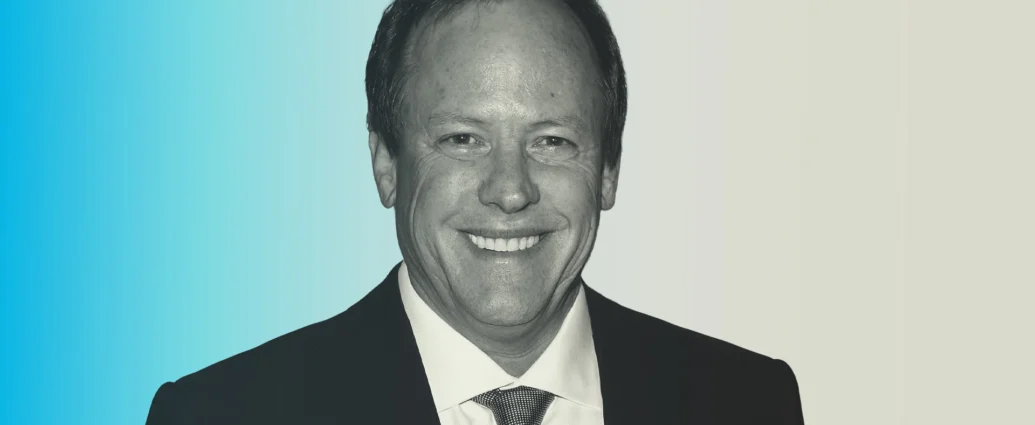
Social Security ‘doesn’t allow most Americans to build wealth,’ BlackRock’s Larry Fink says
Social Security is “one of the most effective poverty-prevention programs in history,” but it could be improved, BlackRock CEO Larry Fink wrote in a new letter.
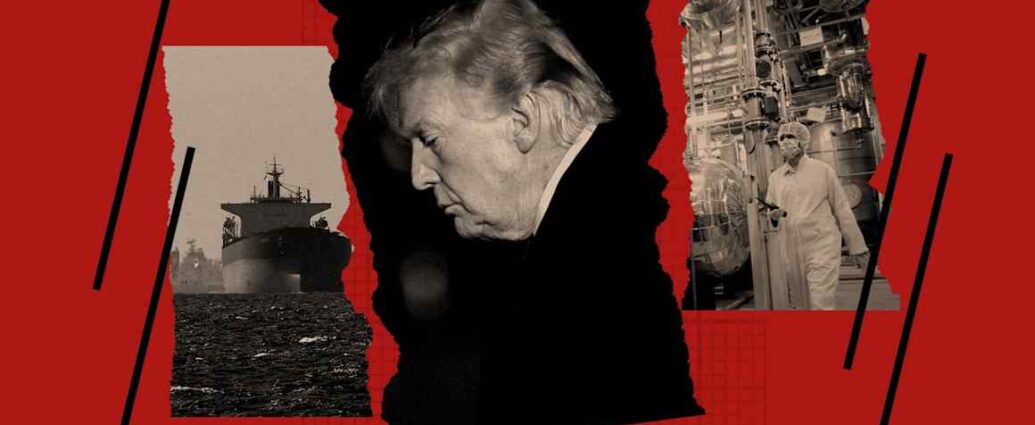
Can Trump do a deal with Iran?
This post was originally published here
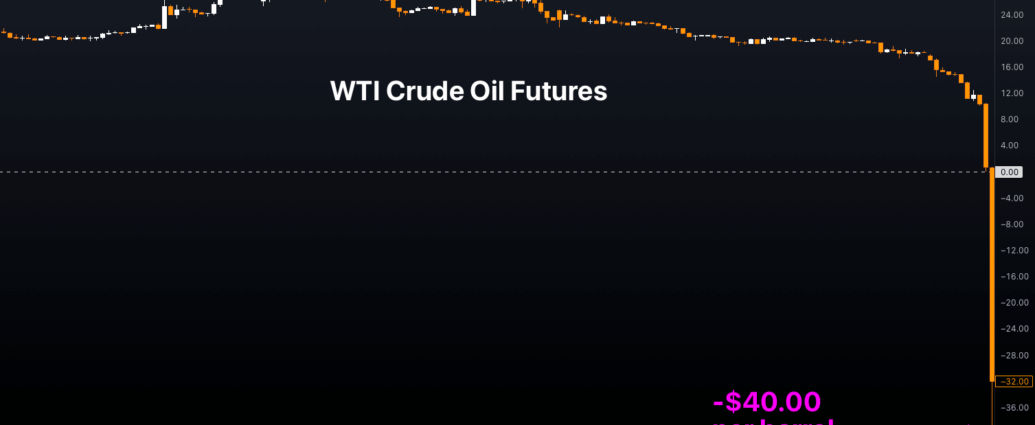
This Oil Shock Is 7× Worse Than 2022 Crisis; Expect Covid-Scale Volatility
Baseline
Remember the empty streets, boarded up stores, and bare shelves of 2020? Something like that appears highly likely, should there not be any major positive developments in the Middle East (which looks quite unlikely).
Luckily, rather than guessing, we can look at hard data and actual numbers:
During the 2nd quarter of 2020, the global economy came to a screeching halt. Freeways empty, shipping halted, bare shelves, closed up shops and ‘non-essential worker’ lockdowns.
According to the Bureau of Economic Analysis’s Q2 2020 GDP print, the US economy shrank by 32%, just in Q2 alone. A third of the US economy- gone.
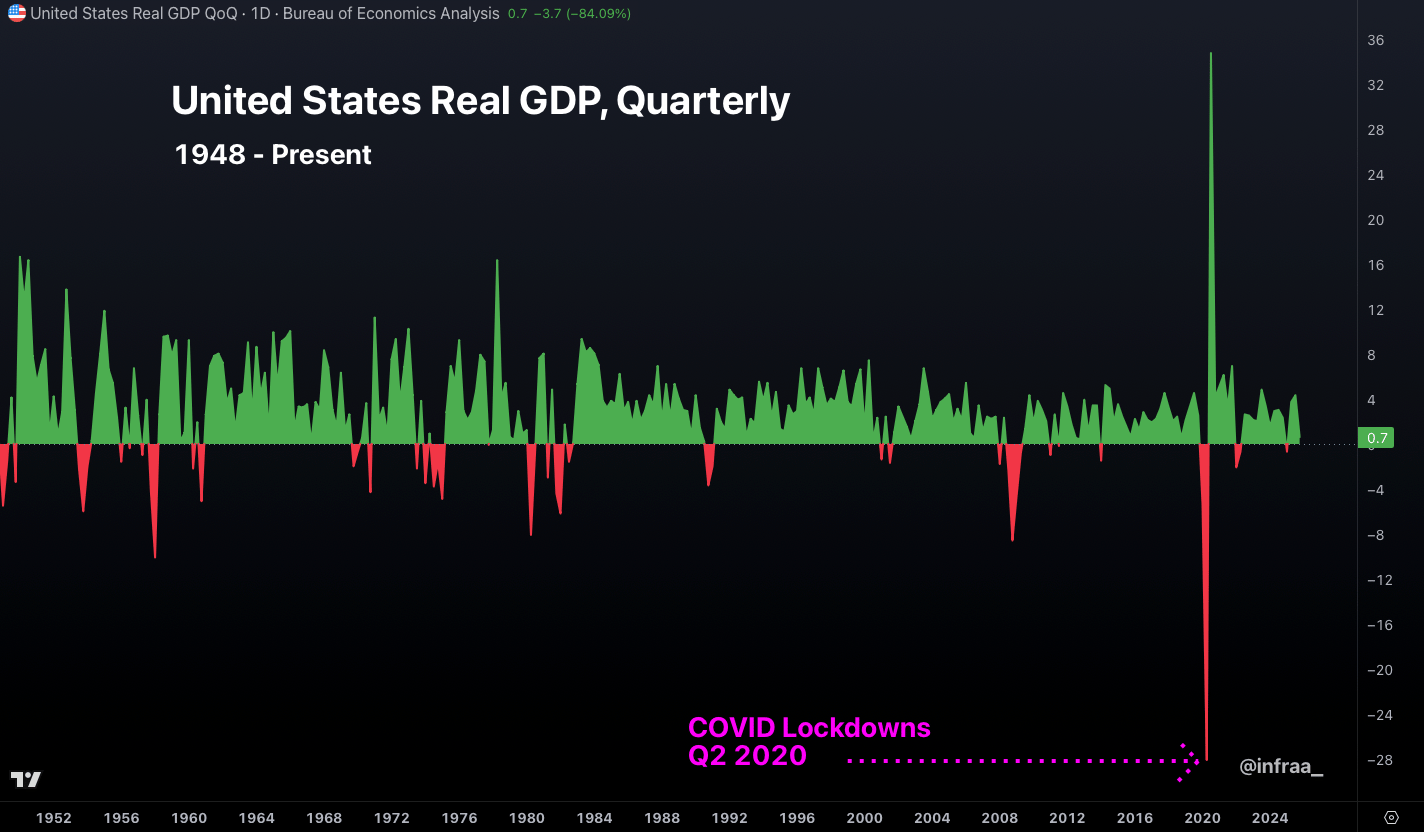
Because COVID was such a rapid & unexpected shock, there was a huge imbalance between the supply of oil and the demand for it.
This is the sort of economic collapse that was required to destroy the demand for oil. All in all, during Q2 of 2020 (height of the COVID lockdowns), demand for oil fell by 23 million barrels per day (‘bpd’).
Given that the clearing mechanism for such an imbalance between supply and demand is price, oil prices famously had to go to -$40 to clear the market.
Negative $40 per barrel. That was what was required to clear the 23 million bpd loss of demand due to the global economy screeching to a halt.
So what about today? What’s the situation now?
The Strait of Hormuz, which normally carries about 20 million barrels per day of crude oil and products (according to the IEA), is effectively closed. There is no physical blockade (though there may be mines)- but the strait is effectively closed with traffic down 97% and 20 million barrels of oil taken offline.
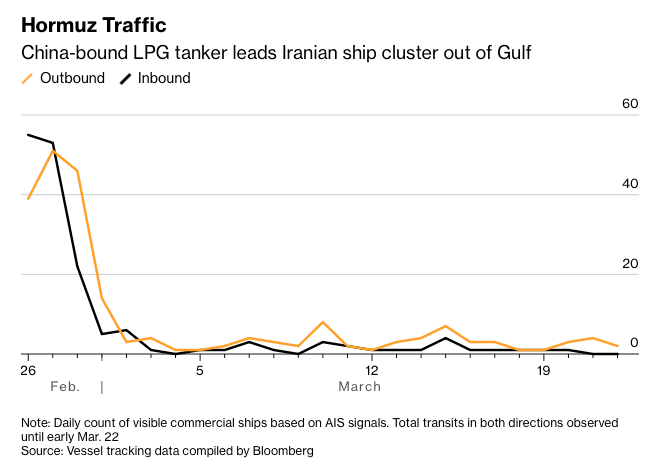
20 million barrels of oil supply were taken offline, just from this one chokepoint. Remember, supply = demand (with prices as the clearing mechanism).
But we didn’t just see a supply reduction from the Strait- you need to store oil somewhere. This is called “inventories.”
Due to the outbound flow being stopped, refineries started filling inventories. When the tanks fill …
This post was originally published here



Counter-terror police investigating after ‘horrific antisemitic attack’ on Jewish charity’s ambulances – as it happened
CCTV showed three people setting light to an ambulance in Golders Green in the early hours of Monday morning
The London Fire Brigade received 56 calls about the fire attack on four Jewish community ambulances, which involved the explosion of several cylinders stored in the vehicles, a senior figure from the fire service said.
Giving a statement at the scene in Golders Green, Paul Askew, deputy assistant commissioner for the London Fire Brigade, said:
Early this morning, London Fire Brigade control room took the first of 56 calls reporting a fire on Highfield Road in Golders Green.
Upon arrival, crews were met with a well-developed fire involving four ambulances. Several cylinders stored within the vehicles exploded because of the heat, causing damage to the windows of a nearby residential block.
We have already spoken to local community and faith leaders and will continue that work today. A specific policing plan focused on key community locations across the area is under way and will continue beyond the coming days as we move towards Passover in early April.
This attack comes at a time when fears are already heightened given global events and recent attacks targeting Jewish communities in other parts of Europe.
This post was originally published here


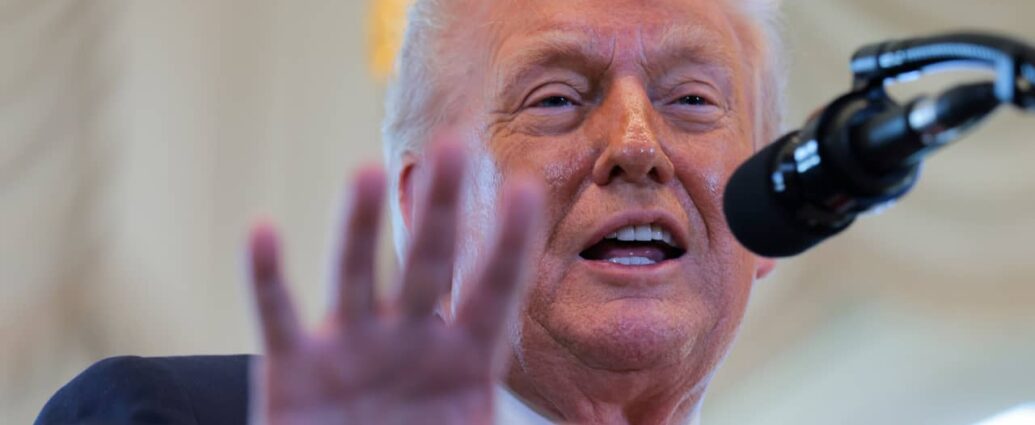
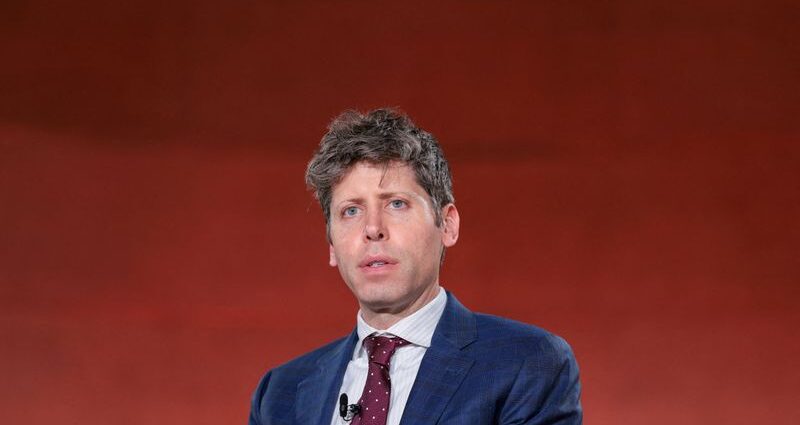


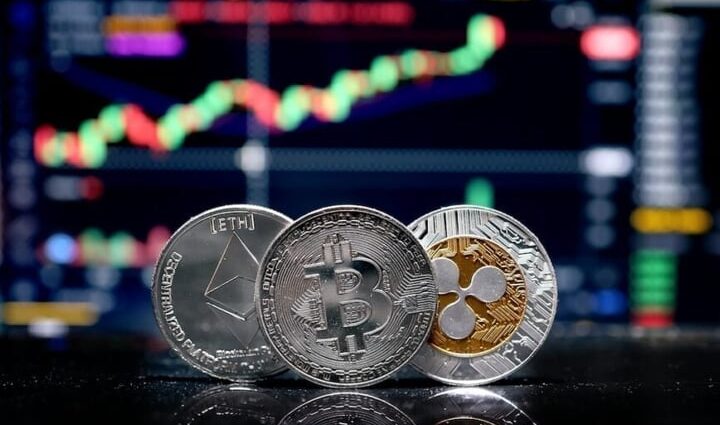
Bitcoin Cracks $71,000, Ethereum, XRP, Dogecoin Rebound As Trump Touts Ceasefire Talk Progress
Bitcoin spiked above $71,000 as U.S.-Iran talks seem to advance towards a conclusion of the war.
| Cryptocurrency | Ticker | Price |
| Bitcoin | (CRYPTO: BTC) | $71,018.63 |
| Ethereum | (CRYPTO: ETH) | $2,167.41 |
| Solana | (CRYPTO: SOL) | $91.49 |
| XRP | (CRYPTO: XRP) | $1.44 |
| Dogecoin | (CRYPTO: DOGE) | $0.09535 |
| Shiba Inu | (CRYPTO: SHIB) | $0.056133 |
Notable Statistics:
- Coinglass data shows 165,632 traders were liquidated in the past 24 hours for $831.23 million.
- SoSoValue data shows net outflows of $52.1 million from spot Bitcoin ETFs on Friday. Spot Ethereum ETFs saw net outflows of $41.97 million.
- In the past 24 hours, top losers include Siren, River and Kaspa.
Notable Developments:

Stock markets swing and oil prices fall after Trump postpones strikes on Iran power plants
European shares start to rise after US president says talks have been ‘very good and productive’
Global stock markets swung wildly and oil prices fell on Monday after Donald Trump postponed US attacks on Iranian power plants for five days.
European stock markets, which had been falling sharply in the hours before Trump’s social media post, mostly rose on Monday as relieved investors digested the update.
This post was originally published here
USDA’s 2026 Food Price Forecast Is Out — Almost Everything Is Going Up Except the One Thing Everyone Is Already Buying More Of
In an economy where up seems to be the only direction for consumer prices, the egg has become the outlier.
The U.S. Department of Agriculture’s February 2026 Food Price Outlook reported that almost every food category is getting more expensive—except for eggs, the one staple Americans are buying more of to save money. For many households, that shift toward cheaper proteins is happening alongside rising balances on short-term debt as basic costs crowd out the monthly budget.
That’s why more borrowers are looking at ways to restructure what they owe—from cutting spending to using consolidation loans to turn high-rate balances into a single payment with clearer terms.
The Egg Collapse
While overall food prices are forecasted to rise 3.1% this year, retail egg prices are predicted to plummet by 27.4%.
This isn’t a minor dip—it’s a market correction following several years of volatility.
In late 2024 and early 2025, an aggressive outbreak of highly pathogenic avian influenza devastated egg-layer flocks nationwide. The resulting supply crunch sent prices much higher, forcing consumers to treat a carton of eggs like a luxury item.
That has since changed.
According to the USDA’s Economic Research Service:
- Production rebound: Confirmed HPAI cases tapered off in April 2025, allowing producers to …
This post was originally published here
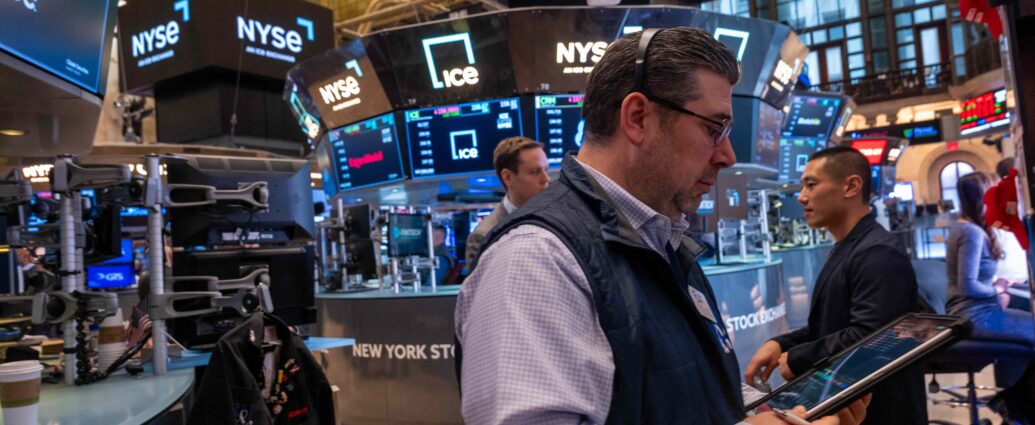
Stock Market Today: Major Indexes Soar, Oil Retreats as Trump Says US to Postpone Threatened Strikes on Iran Power Plants; Dow Jumps 850 Points
This post was originally published here
Stock Market Today: Major Indexes Soar, Oil Retreats as Trump Says US to Postpone Threatened Strikes on Iran Power Plants; Dow Jumps 850 Points
This post was originally published here
Trump claims ‘productive’ talks with Iran but Tehran denies contact
US president extends deadline over strait of Hormuz and speculates deal could soon be done soon to end war
Donald Trump has claimed there have been talks between the United States and Iran over the past day in which the two sides had “major points of agreement”, appearing to avert a potentially severe escalation of the conflict.
Tehran has denied the claim, in which Trump also speculated that a deal could soon be done to end the war. Iran’s foreign ministry spokesperson said no talks had been held with the US since the bombing campaign began 24 days ago.
This post was originally published here
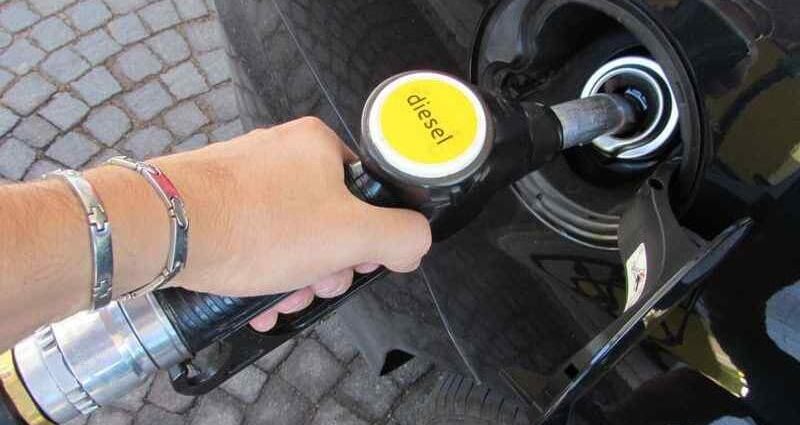

Southwest Florida Lakeside Community Emerges as the Ideal Low-Stress Haven for Retirees
This post was originally published here

Private Equity Floods Into Defense Electronics As Global Conflicts Drive Demand
Defense electronics is one of the most attractive areas within aerospace and defense for private equity investments, given recent developments in Iran, Ukraine, Gaza, and other regions.
Pitchbook reported that the private equity market saw 27 deals in defense electronics in 2025, up 93% from the prior year and the second-highest deal count going back to 2017.
“Electronics-intensive capabilities are capturing a heavy share of global defense procurement dollars. We see spending in this area expanding as militaries prioritize sensing, electronic warfare, resilient communications, and edge computing over force expansion,” the report stated.
The global defense electronics market was estimated at approximately $185 billion in 2025, growing at roughly 5% annually through 2035, according to Precedence Research.
Some of the leading defense electronics investors include J.F. Lehman & Co, Vance Street Capital, Audax Private …
This post was originally published here
‘A miracle’: Canadian flight attendant ejected from plane survives New York crash
Solange Tremblay was ejected over 100 metres from the plane after collision at LaGuardia airport, her daughter says
A flight attendant on the Air Canada Jazz flight that collided with a fire truck at New York’s LaGuardia airport on Sunday survived in what her daughter called a “complete miracle”, when she was ejected more than 100 metres from the plane while still strapped to her seat.
The CRJ-900 jet, operated by Jazz Aviation, collided with a fire truck as it landed, killing both the pilot and co-pilot. Nine people were sent to the hospital with injuries, including Solange Tremblay, a flight attendant.
This post was originally published here
2 pilots killed when jet collides with fire truck at New York’s LaGuardia Airport
An Air Canada Express jet collided with a fire truck while landing at New York’s LaGuardia airport late on Sunday, killing both pilots and injuring dozens.
This post was originally published here
Understanding Oligopolies: Market Structure, Characteristics, and Examples
This post was originally published here
Starmer’s liaison committee jaunt was largely soporific – just as he’d wanted | John Crace
Every PM hopes to emerge having said nothing that makes the news, and with Iran centre-stage Keir played a blinder
What a difference a week makes. At last week’s prime minister’s questions, Keir Starmer tried to persuade us that he knew less than he did. His memory was so bad that he could barely remember who Peter Mandelson was, let alone why he had appointed him as ambassador to the US. Fast forward to Monday’s appearance before the liaison committee, the supergroup of select committee chairs, and Keir was desperate to convince us he knew more than he did. He had the inside track on Iran. He was in control. He also wasn’t altogether convincing.
Mind you, it’s hard not to feel some sympathy with Starmer. The whole point of being prime minister is that you’re expected to know more than the rest of us. And most of the time you do. State secrets are your life blood. Only just occasionally the veil slips. Having threatened to obliterate Tehran’s power plants just days earlier, on Monday morning Donald Trump announced on Truth Social – along with a strange witch reference – that he was going to delay the bombardment for five days as constructive talks with the Iranian regime were taking place.
This post was originally published here
Gross Margin: Definition, Example, Formula, and How to Calculate
This post was originally published here
Iran contradicts Trump and says no direct talks to end war
This post was originally published here
What Is Six Sigma? Concept, Steps, Examples, and Certification
This post was originally published here

Best Jumbo CD Rates Our Experts Found Today, March 23, 2026: Up to 4.15%
This post was originally published here
Macroeconomics: Definition, History, and Schools of Thought
This post was originally published here
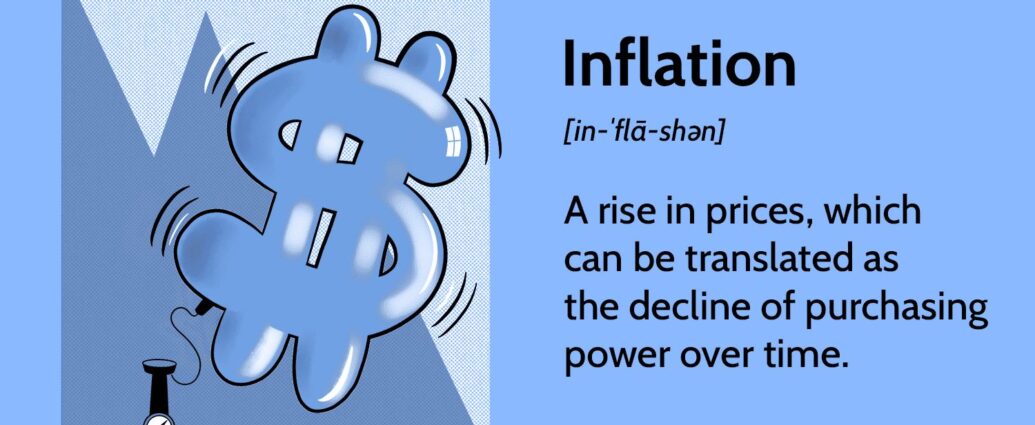
Inflation: What It Is and How to Control Inflation Rates
This post was originally published here

Chevron’s CEO says oil prices are still too low—and the effects of the Strait of Hormuz closure are not ‘fully priced in’
Oil and natural gas futures prices—despite trading 60% higher since before the Iran war—remain well below the physical supply shortages facing Asia and spreading around the world that will take many months to replenish, the chairman and CEO of Chevron said March 23.
The large CERAWeek by S&P Global conference is attracting many of the world’s energy leaders from around the world in Houston this week and a top theme is the potential disconnect between energy markets and the greatest global energy supply shock ever with the effective closure of the Strait of Hormuz, which typically funnels nearly 20% of the world’s crude oil and liquefied natural gas each day.
“There are very real physical manifestations of the closure of the Strait of Hormuz that are working their way around the world through the system that I don’t think are fully priced in,” said Chevron CEO Mike Wirth.
Asia already is facing major supply shortages that cannot be undone just by the releases of strategic, emergency supplies. That is why many Asian countries have implemented energy conservation mandates, work-from-home efforts, school closures, and more. Wirth also cited the huge supplies of fertilizer for agriculture and helium for semiconductors that flow through the strait offshore of Iran.
“The fundamentals are very tight out there,” Wirth said. “The markets are trading on scant information.”
“Physical supply changes don’t respond immediately,” he added. “Even when strait reopens at some point, it will take time.”
Oil prices dipped notably March 23 when President Donald Trump said he would delay any attacks on Iranian energy infrastructure by five days to allow for greater negotiations, pushing back his March 23 deadline for Iran to reopen the strait. Iran has in turn said it would attack more energy facilities in neighboring Gulf countries if the U.S. followed through on Trump’s threats, further escalating the war. And, later in the day, Iranian officials said no negotiations have taken place, accusing Trump of pushing “fake news” to lower prices.
Iran accused of ‘economic terrorism’
Iran’s counteroffensive strategy of attacking the oil and gas supplies of its neighbors is a form of unprovoked terrorism that will not be accepted, said Sultan Ahmed Al Jaber, the United Arab Emirates minister of industry and advanced technology, and group CEO of ADNOC, the Abu Dhabi National Oil Company.
The UAE has cut its oil production by more than 50% this month, while Iraq and Kuwait have made even deeper reductions. Al Jaber canceled his scheduled appearance in Houston because of the war, but he provided a video message. Saudi Aramco CEO Amin Nasser also canceled his trip.
“Weaponizing the Strait of Hormuz is not an act of aggression against one nation. It’s economic terrorism against every nation,” Al Jaber said. “And no country should be allowed to hold Hormuz hostage. Not now, not ever.”
He accused Iran of “choking the throat” of the “global economy.”
Kicking off CERAWeek, U.S. Energy Secretary Chris Wright, a former oil and gas executive, said the Iran war is a “conflict that we simply couldn’t kick down the road one more administration.”
Wright called the war “short-term disruption now, but to end a multi-decadal problem.”
The International Energy Agency agreed this month to release 400 million barrels of oil from emergency storage, including 172 million barrels from the U.S. Strategic Petroleum Reserve.
Wright said the U.S. began withdrawing oil from the SPR on March 20 and that the U.S. will release at least 1 million barrels each day from the SPR for the next few months. The total global release would equate to nearly 3 million barrels daily, he said.
Still, that does not offset more than 11 million barrels of oil that remains offline, even with Saudi Arabia and the UAE redirecting as many barrels as they can through the Red Sea and other outlets.
“Oil remains the most important energy source in the world,” Wright said. “No oil, no modern world.”
This story was originally featured on Fortune.com
This post was originally published here