
XRP Up 3%: What Is Driving The Rally?
2026-03-23
XRP (CRYPTO: XRP) is up 3% over the past 24 hours, with improving on-chain data and adoption trends supporting a bullish outlook.
| Cryptocurrency | Ticker | Price | Market Cap | 7-Day Trend |
| XRP | (CRYPTO: XRP) | $1.43 | $88.8 billion | -2.7% |
| Bitcoin | (CRYPTO: BTC) | $70,194 | $1.42 trillion | -3.5% |
| Ethereum | (CRYPTO: ETH) | $2,130 | $262.97 billion | -4.8% |
Trader Notes: Crypto chart analyst Ali Martinez said XRP whales accumulated about 40 million tokens over the past week, adding that a TD Sequential buy signal points to a potential rebound.
XRP is holding support near $1.40, with analysts viewing the recent pullback as a short-term correction within a broader …


Watch small-cap stocks as market tries to recover from last week’s declines, says NYSE insider Jay Woods
2026-03-23
Jay Woods reviews why he’s keeping a close eye on the IWM and XLY indexes, the S&P 500 and Nvidia stock.
This post was originally published here



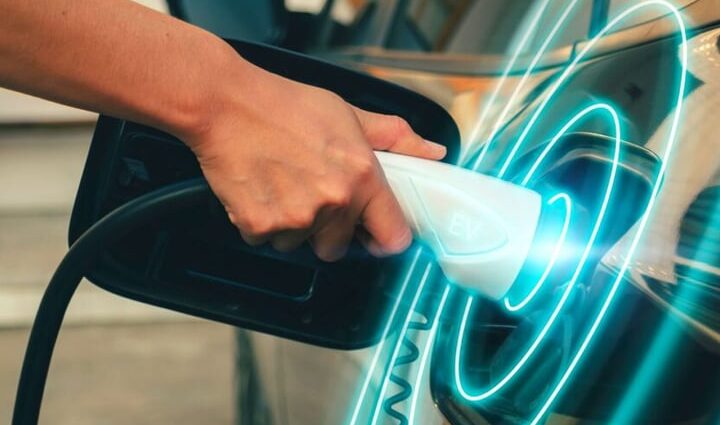
Iran War Is Boosting Oil — But A $70 Billion Surge In Battery Stocks Signals A Bigger Shift
2026-03-23
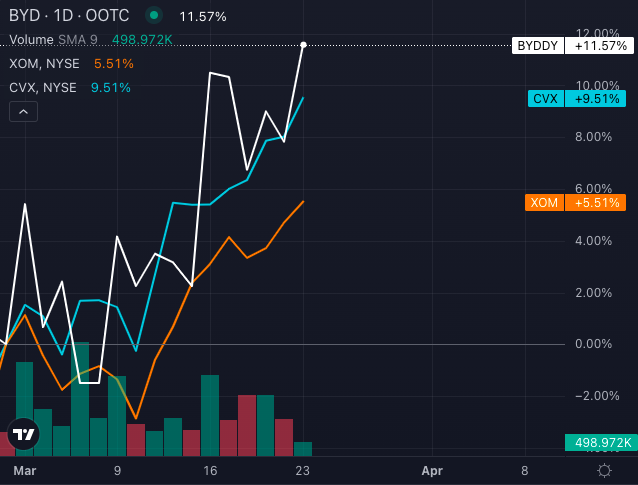
The Iran war is pushing oil prices higher—but markets may already be positioning for what comes next. Oil price has surged sharply since the conflict escalated, lifting energy stocks and reviving inflation concerns. But while oil majors have gained, the bigger move may be happening elsewhere.
Battery Stocks Are Outpacing Oil
China’s battery giants— BYD Co., Ltd. (OTC:BYDDF) (OTC:BYDDY) , Contemporary Amperex Technology Co., Ltd (CATL) and Sungrow Power Supply Co., Ltd.—have added more than $70 billion in market value at the Chinese stock market since the conflict began, with their China shares rising roughly 19–22% over the period, Financial Times reported.
This post was originally published here










Stock Market Today: Major Indexes Surge, Oil Retreats as Trump Says US to Postpone Threatened Strikes on Iran Power Plants; Dow Soars 700 Points
2026-03-23
This post was originally published here
Private investigator in Prince Harry case says admissions in his name ‘a pack of lies’
2026-03-23
Gavin Burrows tells high court that claimants in case against Daily Mail publisher ‘very misled’ over his work
A private investigator whose disputed confessions of illegal activity form a key part of the case brought by Prince Harry and others against the Daily Mail’s publisher has said the admissions were “a thing of fiction”.
Giving highly anticipated evidence at the high court, Gavin Burrows said the claimants in the case, as well as their lawyers, had been “very misled” over his work, adding that the supposed admissions in his name were “a pack of lies”.
This post was originally published here


SEC’s ex-enforcement chief clashed with bosses before leaving, Reuters sources say
2026-03-23
One case that sparked tension involved Justin Sun, a major backer of the Trump family’s World Liberty Financial venture. Another involved Tesla CEO Elon Musk.
This post was originally published here


BTS comeback draws a smaller crowd than hoped, hitting parent company Hybe’s shares
2026-03-23
Shares in Hybe, the parent company of South Korean boyband BTS, fell 15% on Monday as their much-anticipated comeback drew a smaller crowd than expected.
This post was originally published here

Bitcoin Jumps 3% After Trump Announces 5-Day Iran Energy Infrastructure Strike Pause
2026-03-23
Bitcoin (CRYPTO: BTC) is up 3% over the past 24 hours after President Trump announced a 5-day postponement of attacks on Iranian energy infrastructure, following what he called productive talks.
The Geopolitical Catalyst
Trump said in a Truth Social post that the two countries held productive conversations regarding a complete resolution of hostilities in the Middle East.
The five-day hiatus doesn’t end the war as Iran continues to strike targets across the Gulf and Israel would also need to sign up.
Bitcoin, which sank below $68,000 overnight, climbed above $71,000 in early U.S. hours before retreating closer to $70,000 after Fars cited an unidentified source denying any talks between the countries.
Ethereum (CRYPTO: ETH), Dogecoin (CRYPTO: DOGE), Solana (CRYPTO: SOL), and Chainlink (CRYPTO: LINK) all rose as much as 5% over 24 hours before giving back part of …
Analyst Favorites: Royal Gold Ranks As a Top Metals Pick
2026-03-23
A study of analyst recommendations at the major brokerages shows that Royal Gold Inc (Symbol: RGLD) is the #11 broker analyst pick, on average, out of the 50 stocks making up the Metals Channel Global Mining Titans Index, according to Metals Channel. The Metals Channel Global M
This post was originally published here
Meet the billionaires bankrolling March Madness Sweet 16 schools—from the Dallas Cowboys owner to Carlyle Group’s founder
2026-03-23
Behind the nation’s greatest college basketball teams is a steady flow of donations from billionaires with varying industry backgrounds and connections to the schools.
Among them are the cofounder of the Carlyle Group, one of the world’s largest investment firms; the owner of the NFL’s Dallas Cowboys, and a Houston hospitality mogul whose name is flashed on an entire arena. Several powerhouse teams bankrolled by billionaires are favored to advance far in this year’s March Madness tournament.
Considering the global sports entertainment industry is estimated to be worth more than $3 trillion, it’s no wonder America’s wealthiest are eager to throw money at the nation’s best college athletics programs.
This year’s March Madness tournament is particularly flush with billionaire money. The Big Ten alone sent six teams to the Sweet 16, meaning the financial stakes for some of the country’s wealthiest athletic boosters have never been higher. This year’s men’s tournament is expected to have more than $270 million in payouts, with each of the 135 available units (games) valued at roughly $2 million, paid out to conferences over six years (that’s about $350,000 per year).
That money flows directly to conferences, not schools. That’s why wealthy alumni and other billionaire boosters step in to fill the gap, pouring hundreds of millions into facilities, NIL deals, and recruiting budgets that tournament checks can’t offer.
Fortune has compiled a sampling of billionaire donors to schools participating in this year’s Sweet 16. Note, this list is not exhaustive.
David Rubenstein is backing Duke
Rubenstein, cofounder of The Carlyle Group, grew up in Baltimore and earned his undergraduate degree from Duke University in 1970, where he has made generous donations over the decades.
He cofounded The Carlyle Group in 1987 with just $5 million in capital, but grew it to one of the world’s largest private equity firms with $477 billion in assets under management. Rubenstein is worth an estimated $4.2 billion.
Rubenstein has donated more than $60 million to his alma mater, including a $10 million gift to Duke Athletics in 2012. He said he made the donation because of Duke’s “success in so many sports over so many years, [and] because of the program’s commitment to academic achievement and excellence.”
The Carlyle cofounder has made several other multimillion-dollar donations to Duke over the years, including a $20 million scholarship endowment for first-generation students in 2017 and a $25 million gift to support the arts. The billionaire also served on Duke’s board of trustees from 2005 to 2017, including a term as chairman.
Duke, the No. 1 seed in the NCAA Tournament’s East Region, faces St. John’s on Friday at 7:10 p.m. EST on CBS. The Blue Devils are favored to advance.
Jerry Jones credits the University of Arkansas for his success
Jones, the longtime owner of the Dallas Cowboys, has a deep connection to one of this year’s Sweet 16 schools. He’s a University of Arkansas alum and played for the Razorbacks football team in the 1960s before he went on to become a successful oil businessman and the owner of the Dallas Cowboys in 1989. Jones is currently worth an estimated $19.4 billion, with the Cowboys worth approximately $13 billion.
In 2015, Jones donated $10.65 million to Arkansas’ athletic program, which he credited for his success. The gift supported Arkansas’ Student-Athlete Success Center.
“My experiences at the University of Arkansas as a student-athlete under the legendary Coach Frank Broyles helped shape me as a man and guide me on my future career path,” Jones said at the time of the donation. “I would not be where I am today without those life lessons learned as a student-athlete at the University of Arkansas.”
Arkansas faces No. 1 seed Arizona on Thursday at 9:45 p.m. EST on CBS. The Razorbacks are considered a significant underdog, but freshman star Darius Acuff Jr. has made them one of the tournament’s most exciting teams to watch.
Tilman Fertitta supports his hometown
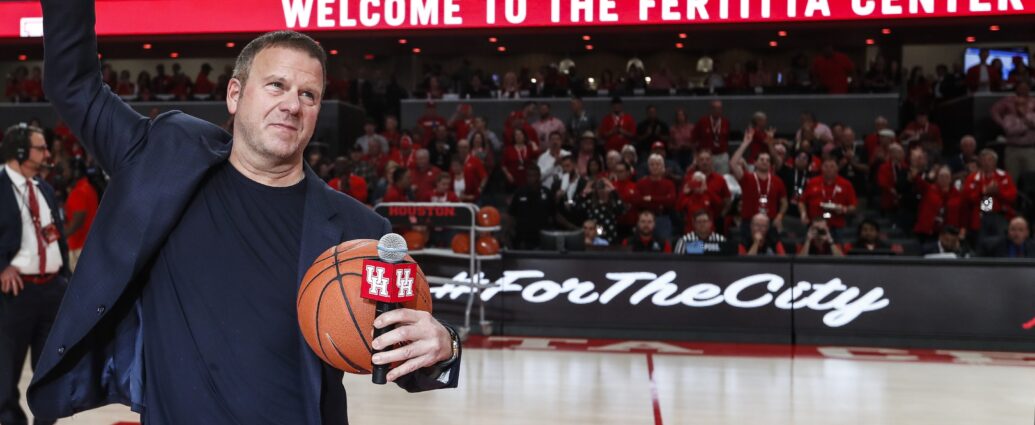
Fertitta is the definition of a hometown billionaire backer. The CEO of Fertitta Entertainment and owner of the NBA’s Houston Rockets, he is Houston’s richest sports owner with an estimated net worth of $11.2 billion—a fortune built on hospitality, gaming, and entertainment through his Landry’s restaurant and hotel empire with more than 600 dining, entertainment, and gaming locations nationwide.
In 2016, Fertitta pledged $20 million to the University of Houston’s athletics program to renovate the school’s on-campus basketball arena. This was the largest individual athletic donation in UH history at the time. Fertitta attended UH, although he left before finishing his degree. But the school awarded him with an honorary doctorate in August.
“This gift is personal,” Fertitta said when he made the 2016 donation. “It represents a commitment from my family and me to support the University of Houston in its quest to strengthen our nationally competitive institution, both in academics and athletics.”
“Upgrading our athletics facilities shows we are serious about competing at the highest levels of collegiate sports for many years to come,” he continued.
The arena was subsequently renamed Fertitta Center. He made an additional $50 million pledge to UH’s medical school in 2022.
Houston, the No. 2 seed in the South Region, faces Illinois on Thursday at 10:05 p.m. EST on TBS. The Cougars are favored to win.
Larry Ellison is behind Michigan’s makeover
Ellison cofounded tech giant Oracle and is currently one of the world’s wealthiest individuals with a net worth of nearly $200 billion.
He also reportedly underwrote the richest recruiting flip in college football history. Ellison reportedly helped the University of Michigan fund a name, image, and likeness sports package to poach quarterback recruit Bryce Underwood from Louisiana State University in November 2024. While Ellison didn’t have a prior connection to the Wolverines, his wife, Jolin, is a Michigan alumna.
Michigan, the No. 1 seed in the Midwest Region, faces Alabama on Friday at 7:35 p.m. EST on TBS. The Wolverines, who are favored to win on Friday, have three projected first-round NBA draft picks on their roster.
Daniel Gilbert funds alma mater, Michigan State
Gilbert founded Rock Financial in 1985, which would eventually become mortgage behemoth Rocket Companies. The fintech and homeownership services company has a $40 billion market cap, and Gilbert has an estimated net worth of $29.4 billion. He also owns the NBA’s Cleveland Cavaliers.
Gilbert donated $15 million to his alma mater, Michigan State University, in 2016 for use toward the school’s basketball program. Both he and his wife, Jennifer, attended Michigan State and said that, at the time, the school had “played a large role in both of our lives.”
Michigan State, the No. 3 seed in the East Region, faces UConn on Friday at 9:45 p.m. EST on CBS. UConn is slightly favored to win.
Jimmy Haslam has donated $50 million to University of Tennessee
Haslam is a University of Tennessee alum and the owner of the NFL’s Cleveland Browns, a franchise he purchased in 2012. He and his family built their fortune through Pilot Flying J, the nation’s largest truck-stop chain, which they sold to Berkshire Hathaway in a deal that totaled $13.65 billion over several years. Haslam is worth nearly $10 billion today.
The Haslam family has donated $50 million to the University of Tennessee, one of the largest gifts in school history, supporting academics and athletics at the Knoxville campus. The family’s name adorns Haslam College of Business at UT.
Tennessee, the No. 6 seed in the Midwest Region, faces Iowa State on Friday at 10:10 p.m. EST on TBS. Iowa State is currently favored to win.
This story was originally featured on Fortune.com
This post was originally published here


‘AI killed the cover letter.’ This Wharton economist says the hiring ritual’s days are numbered
2026-03-23
Sending your resume into the void has never felt more useless.
Employers cut 92,000 jobs in February alone. Unemployment among entry-level employees peaked last July at 13.3%, the worst entry-level market in 37 years. Two-thirds of companies have put hiring on pause while they wait to see where AI can fill the gaps, and in the meantime, 1.17 million jobs have been cut since last year.
So you do what everyone does: You turn to AI to write a cover letter that slightly exaggerates the role you held in your junior year of college. That’s totally fine, since three-quarters of resumes never reach a human’s eyes anyway. This means you’re using AI to write something that gets read by AI, fulfilling some twisted ouroboros that Socrates and the lot would have had a doozy explaining to their students.
For Wharton Business Economics Professor Judd Kessler, there’s a simple alternative: Toss the fake enthusiasm and pick up the phone. The University of Pennsylvania professor and author of Lucky by Design: The Hidden Economics You Need to Get More of What You Want instead thinks the cover letter’s days are numbered.
“I expect that in the not too distant future, cover letters are gone,” Kessler told Fortune. “Either cover letters will be required and everybody will have AI write good ones and they’ll be ignored, or employers will stop asking for them because they realize they’re not looking at them and they’re not adding value.”
Kessler says job hunting is starting to look a lot like the good ol’ days: It’s all about who you know. At the heart of his argument is the concept of a hidden market: any system that has to allocate something valuable without simply letting the highest bidder win. Think of Taylor Swift pricing concert tickets at $99 when millions of fans would pay 10 times that, or a university with 50,000 applicants for 2,000 freshman seats. Price alone can’t decide who gets what, so other rules take over—rules like knowing a roadie who can get you behind the stage, or having an alumni vouch for you. These are all signals in a hidden market.
And the labor market is one of the biggest hidden markets of all.
“We want to allocate scarce resources, and we don’t want to let price do the job on its own,” Kessler said. “We find it more efficient to have a search process where we identify the best person for the role.”
In this dynamic, signals like the cover letter used to matter, because it meant candidates were spending the time and making the effort to show their enthusiasm.
“It was a costly signal that a job candidate could send that they were really interested in a particular role,” Kessler said. “And it was costly because writing a good one was hard and took time, and you couldn’t do it for every firm.” The signal was hard to ignore: This candidate was serious; after all, they wrote a cover letter.
The AI ouroboros
That all changed when AI made it a quick snap to fake enthusiasm in three frivolous paragraphs.
“Generative AI comes, and something that used to take a few hours to do well now takes a few seconds, or maybe a few minutes,” Kessler said. “And all of a sudden that signal that used to be costly is now very cheap. Economists would call it cheap talk: You can make it look like you are really motivated to join that firm, that the job was designed for you, but you can create that signal very cheaply.”
The research backs him up. Kessler pointed to a study by economists Jingyi Cui, Gabriel Dias, and Justin Ye that tracked what happened when a major job platform introduced an AI cover-letter writing assistant. Letter quality improved because they were better targeted, and well-targeted letters led to more interviews. But as the tool spread, “employers stopped relying on cover letters in their hiring decisions,” Kessler said. “The cover letters got better, and they became a less useful tool overall.”
“In the old days, there used to be a few good cover letters, and that was how you could identify the best-fit candidates,” he said. “Now, all the cover letters pass some threshold. They become a prerequisite rather than a differentiator.”
Once every application looks polished, none stand out—and the rational employer either outsources the reading to AI or stops reading altogether. “That’s when you would hand it off to AI to be responsible,” Kessler said.
Kessler has watched it happen in his own hiring. Despite selecting research assistants at Wharton for the last 15 years, “all of the best cover letters have come in the last 12 months,” he said with a laugh, all of which suddenly reference his research papers.
“That used to be a way that I could tell who was actually motivated,” he said. “But now everybody does that, and my guess is it’s not because everybody has read that research. Everybody has figured out that AI can write a good summary of what I work on and weave that into a narrative. And that means I can’t use the cover letter as a good indication that somebody’s motivated to work with me.”
Instead of relying on an AI-written CliffNotes summary of his own research, Kessler now points to other hidden market signals: “Do they take my course? Do they come to office hours? Do they try to meet with me in person? Those are the signals I start to rely on more, because the cover letter is insufficient.”
A return to the coffee chat
The cover letter is dead, Kessler says and as a result, the signals are going old school: reaching out and classic networking.
“For the specific signal of ‘I really want to work at this firm,’ which is a signal that the applicant themselves can send, it’s going to be more things that cannot be replicated with AI,” he said.
“It’s going to be doing in-person networking with members of the leadership team at the firm, taking people that work at the firm out to coffee, going to the coffee chat that the firm has. And those are real costly signals, because they can’t be replicated with AI,” he added. “When I choose to go talk to people at a firm, I’m using hours that I can’t spend talking to people at another firm.”
While the coffee chat isn’t new, Kessler said the return to meeting people and showing other signals spells the cover letter’s inevitable end.
“I often describe this as the age of the cover letter being over,” Kessler said. “AI killed the cover letter.”
This story was originally featured on Fortune.com
This post was originally published here


Trump has TACO’d again, this time in Iran, sparking a $1.7 trillion stock market rally in minutes, even as peace talks are in question
2026-03-23
In the time it takes to walk from your car to your desk, President Donald Trump added $1.7 trillion to stocks and pushed the price of oil down by $17, or approximately 15%. By the time you got your coffee, Iran had reportedly called him a liar, and half those gains vanished.
This is the average Monday morning for a very market-oriented executive in the fourth week of war.
At approximately 7 a.m. ET, Trump posted in all-caps on Truth Social that the U.S. and Iran held “very good and productive conversations” over the weekend toward “a complete and total resolution” of hostilities in the Middle East. He ordered the Pentagon to pause all strikes on Iranian power plants and energy infrastructure for five days.
Washington had kept Israel informed of the talks, Reuters reported, and Israel is expected to follow the U.S. in suspending strikes on Iranian power plants.
That came after Trump issued an ultimatum to Iran Saturday night, calling on the regime to reopen the Strait of Hormuz or face bombardment of its power grid. Now, it appears he’s buying time for the workweek, and leaving the weekend as a buffer before any next move.
S&P 500 futures swung nearly 4% off their lows, Brent crude collapsed from $109 to a low of $92 before partially recovering, and West Texas Intermediate touched $88.70, its lowest point since the war began.
Iran’s state media reported that the talks never happened, citing an unnamed “senior security official” in a post on Telegram. The official called it a ploy to manipulate markets and said there’s no communication lines between the two countries. As of time of writing, no official from Iran has publicly confirmed or denied Trump’s claim.
Trump told Fox Business that talks did occur Sunday night, involving special envoys Jared Kushner and Steve Witkoff, facilitated by Egypt, Pakistan and Turkey. Iran wants a deal “badly,” he said.
“We have major points of agreement—I would say almost all points of agreement. Perhaps that hasn’t been conveyed,” he added, also joking that Iran needs “better public relations people.”
Wall Street has a word for all of it, coined by Financial Times columnist Robert Armstrong last May: TACO, or Trump Always Chickens Out. The acronym describes Trump’s habit of making catastrophic threats that cause market panic, then reversing course before economic pain can set in. The trade has minted money for investors who bought every dip, confident that Trump’s tolerance for damage had a ceiling.
The pattern was seen in his trade war last year as he announced prohibitively high tariffs only to reach a deal later. It played out in Greenland too early this year, when Trump spent weeks threatening to seize the island only to settle for a vague base agreement.
The Iran war is, theoretically, supposed to function differently: after all, it takes “two to TACO,” since Trump cannot just unilaterally end the war the same way he could unilaterally pull back sanctions.
Oil analyst Rory Johnston wrote on Monday that though the “base case” was that Trump would try to back out and declare victory, it won’t be that simple to bring down oil prices.
“Hormuz flow still hasn’t resumed and every day we’re shedding more oil from the system,” he wrote on X. “That’ll catch up—can’t jawbone 10 to 15 million barrels per day stock draws.”
It is unclear who Trump is even negotiating with on Iran’s side. He told Fox Business he’s dealing with the man who’s “most respected” in Iran, though “It’s a little tough — we’ve wiped out everybody.”
U.S.-Israeli forces have killed most of Iran’s top brass, including Supreme Leader Ayatollah Ali Khamenei, security chief Ali Larijani, and other senior leaders. When asked a few weeks ago whom Trump wanted to see replace the ayatollah, Trump said “everyone we had in mind is dead.”
The Jerusalem Post has reported that Trump’s actual interlocutor is Iranian parliament speaker Mohammad Bagher Ghalibaf.
Trump also said on Fox Business Monday that he and new Supreme Leader Mojtaba Khamenei—son of the late Ali Khamenei—would together be in charge of the Strait of Hormuz.
This story was originally featured on Fortune.com
This post was originally published here

Airline, Cruise Stocks Surge After Trump Reports ‘Productive’ Iran Talks
2026-03-23
This post was originally published here

Pakistan steps up as go-between in Trump’s Iran crisis
2026-03-23
Military strongman Asim Munir uses Tehran ties and warm relationship with US president to boost mediation effort
This post was originally published here



Just like Gen Z, a young Mark Zuckerberg ‘had no concept of small talk’ and would ‘just stare at you,’ the VC behind Airbnb and Reddit says
2026-03-23
The ‘Gen Z stare’ became an internet meme last year—used to describe a blank, expressionless look from a generation often glued to their phones. But it’s not just a phenomenon among today’s young people—even Mark Zuckerberg once had his own version of it.
On a recent episode of The Social Radars podcast, Y Combinator cofounder Paul Graham recalled meeting the Facebook cofounder around 2007—and being struck by his lack of social skills.
“[Zuckerberg] has this weird thing where if he didn’t have anything to say, he wouldn’t fill the gap with passing conversation,” Graham said. “He had no concept of small talk.”
The silence coming from the twentysomething Harvard dropout, Graham added, was more jarring than expected: “It was surprisingly disconcerting. I didn’t realize how important small talk was until I met the lack of it. But he would just stare at you if there wasn’t anything [to say].”
In the 1990s, Graham cofounded the software company Viaweb, which Yahoo acquired in 1998 for $49 million. In 2005, he co-founded the startup accelerator Y Combinator, which has helped launch billion-dollar Silicon Valley companies including Airbnb, Stripe, Dropbox, and Reddit. While his exact net worth is not public, Graham has likely earned substantial income through his investments.
Even Mark Zuckerberg agrees he came across ‘as robotic’ before finding success
Now 41, Zuckerberg’s communication skills have in fact visibly evolved. From delivering Harvard’s commencement address in 2017 to testifying before Congress multiple times, he’s grown into a far more polished public speaker—and it’s worked to his advantage. Zuckerberg himself now has a net worth of $210 billion.
Graham quipped his first meeting with Zuckerberg was before he “had learned to imitate a normal person,”—but the tech founder himself has acknowledged he has struggled with communication as he’s taken his social media platform from a Harvard dorm room idea to one of the biggest companies in the world with a $1.5 trillion market cap.
“Look, historically I’ve had a very hard time expressing myself,” Zuckerberg told NBC News in 2019. “I just come across as robotic.”
He echoed that sentiment years later on Threads, saying that feedback about his awkwardness initially made things worse—but he’s improved with time: “Being awkward and getting negative feedback on how I came across definitely made me more careful and scripted,” Zuckerberg wrote in 2024.
Fortune reached out to Y Combinator and Meta for further comment.
Communication is more than a nice-to-have—it’s a skill that billionaire CEOs like Richard Branson and Jamie Dimon say is table stakes
Graham’s observations about a young Zuckerberg—and his evolution—underscore a broader point: communication, even seemingly trivial small talk, can shape how ideas are received and careers unfold. While Zuckerberg had a breakthrough product and early momentum to offset his social awkwardness, many Gen Z workers don’t have that cushion—and are struggling with communication in today’s tech-driven workplace.
About 38% say networking makes them anxious, according to a survey conducted by Strand Partners for LinkedIn, with many young people avoiding it altogether because they don’t know where to start. But the stakes go beyond just missed opportunities: communication gaps are among the reasons some employers have already begun giving the pink slip to recent Gen Z hires.
Strong communication has long been a hallmark of effective leadership. Richard Branson, the billionaire founder of Virgin Group, has called it the “most important skill any leader can possess.”
“Communication makes the world go round. It facilitates human connections, and allows us to learn, grow and progress,” Branson wrote in 2015. “It’s not just about speaking or reading, but understanding what is being said – and in some cases what is not being said.”
And in the age of AI, those human skills are becoming even more valuable than ever.
“AI can’t replace genuine human connection,” said Michael C. Bush, CEO of Great Place To Work. “It can’t listen, care, or inspire people. That’s what leaders do. Technology can help us work smarter, but only people can build trust.”
It’s a view shared by JPMorgan Chase CEO Jamie Dimon, who said that soft skills like communication matter more than ever.
“My advice to people would be critical thinking, learn skills, learn your EQ [emotional quotient], learn how to be good in a meeting, how to communicate, how to write,” Dimon told Fox News late last year. “You’ll have plenty of jobs.”
This story was originally featured on Fortune.com
This post was originally published here
Pope Leo says planes should be ‘carriers of peace, never of war’
2026-03-23
Pontiff tells Italian airline staff aerial bombings should be banned, in latest condemnation of war
Pope Leo has said aeroplanes should be “carriers of peace” and that aerial bombardments should be banned, in his latest condemnation of war amid the US-Israeli conflict with Iran.
The Catholic church’s first American pontiff made the comments during a meeting on Monday with staff from the Italian national airline ITA Airways.
This post was originally published here





Why Are Palantir Shares Surging On Monday?
2026-03-23
Palantir Technologies Inc. (NASDAQ:PLTR) shares are climbing Monday. The rally follows a mix of geopolitical relief and significant military contract news.
Trump Signals Military De-Escalation
The broader market recovered after President Donald Trump signaled a five-day pause on planned U.S. strikes. Trump described recent discussions with Iranian officials as “very good and productive” via Truth Social. This follows a tense weekend involving an ultimatum regarding the Strait of Hormuz.
Pentagon Solidifies Maven AI Program
Contextualizing the gains, Reuters reported Friday that the Pentagon will formally adopt Palantir’s Maven Smart System. Deputy Secretary of Defense Steve Feinberg issued the directive on March 9. The move locks in …
This post was originally published here

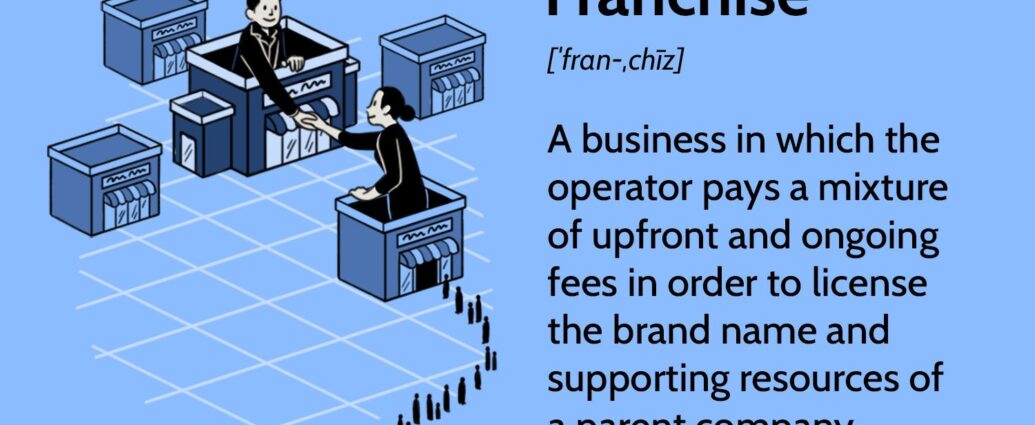
Understanding Franchises: How They Work and Their Benefits
2026-03-23
This post was originally published here


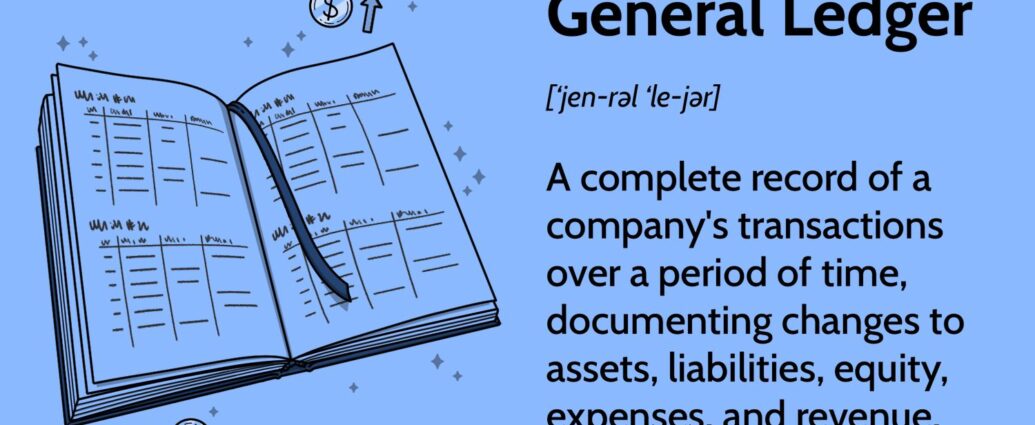
How a General Ledger Works With Double-Entry Accounting, With Examples
2026-03-23
This post was originally published here

This Red Rock Resorts Analyst Begins Coverage On A Bullish Note; Here Are Top 3 Initiations For Monday
2026-03-23
Top Wall Street analysts changed their outlook on these top names. For a complete view of all analyst rating changes, including upgrades, downgrades and initiations, please see our analyst ratings page.
- Benchmark analyst David Williams initiated coverage on Odysight.ai Inc. (NASDAQ:ODYS) with a Speculative Buy rating and announced a price target of $10. Odysight shares closed at $7.07 on Friday. See how other analysts view this stock.
- D. Boral Capital analyst Jason Kolbert initiated …
This post was originally published here
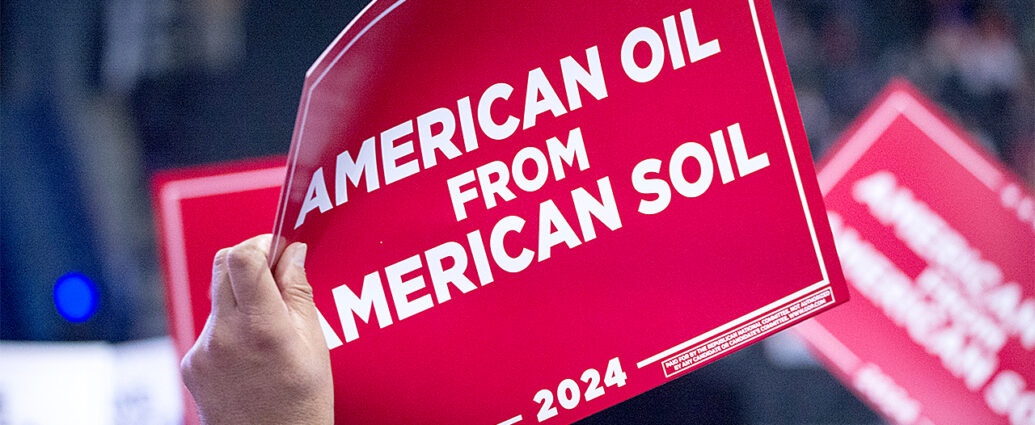
Trump admin dumps Biden-era wind projects for billion-dollar investment in US oil
2026-03-23
FIRST ON FOX: The Trump Department of the Interior secured a landmark agreement with energy giant TotalEnergies to redirect nearly $1 billion away from “unreliable” and “ideological” wind farm projects approved under the Biden administration and instead invest in U.S. oil and natural gas as part of the president’s “energy dominance agenda.”
Secretary Doug Burgum announced the agreement with TotalEnergies on Monday at the CERAWeek conference, an annual gathering of global oil and energy leaders in Houston.
TotalEnergies is renouncing its U.S. offshore wind leases and instead investing a total of $928 million in oil, natural gas and liquefied natural gas production in the U.S., according to the department. Additionally, after the department paused all leases for large-scale offshore wind projects under construction in the U.S. due to “national security risks,” TotalEnergies has pledged not to develop any new offshore wind projects in the country.
The department said that “under this innovative agreement driven by President Donald J. Trump’s Energy Dominance Agenda, the American people will no longer pay for ideological subsidies that benefited only the unreliable and costly offshore wind industry.”
OIL PRICES SLIDE AS US EXPANDS INFLUENCE OVER GLOBAL ENERGY MARKETS
As part of the agreement, TotalEnergies will invest $928 million in the development of a liquefied natural gas plant in Brownsville, Texas, as well as shale gas production and upstream conventional oil in the Gulf of America.
In turn, the U.S. will terminate wind farm leases in the Carolina Long Bay Area and in the New York Bight area. Both of these leases were granted to TotalEnergies by the Biden administration in 2022. The U.S. will be reimbursing TotalEnergies for these investments.
According to the department, these reinvestments “directly advance the Trump Administration’s ongoing efforts to lower costs for American families, increase baseload and grid reliability, and help maintain global leadership in artificial intelligence.”
Burgum called the agreement “yet another win for President Trump’s commitment to affordable and reliable energy for all Americans.”
TRUMP WEIGHS LIFTING IRAN OIL SANCTIONS AS ENERGY PRICES SOAR AFTER QATAR LNG STRIKE
“Offshore wind is one of the most expensive, unreliable, environmentally disruptive, and subsidy-dependent schemes ever forced on American ratepayers and taxpayers,” Burgum told Fox News Digital.
He added that the administration welcomes TotalEnergies’ commitment to “developing projects that produce dependable, affordable power to lower Americans’ monthly bills while providing secure U.S. baseload power today — and in the future.”
U.S. Attorney General Pam Bondi also commented on the deal, telling Fox News Digital that “today’s agreement prioritizes affordability for hardworking American consumers over the prior administration’s ideological, ineffective energy policies.”
Bondi predicted that “Americans will benefit from this significant investment in our energy industry,” which she said will “also enhance our national security and grid reliability.”
OIL PRICES WILL COME DOWN ‘VERY, VERY FAST’ AFTER CONFLICT, FORMER ENERGY CHIEF SAYS
Patrick Pouyanné, CEO of TotalEnergies, told Fox News Digital that the company is “pleased” to sign onto the agreement with the DOI and to support the administration’s energy policy.
GET FOX BUSINESS ON THE GO BY CLICKING HERE
He explained that the decision to renounce the offshore wind developments in favor of U.S. oil investment was made in consideration that offshore wind projects are “not in the country’s interest.”
Pouyanné said these investments will help supply Europe with “much-needed” U.S. liquified natural gas and provide gas for U.S. data center development. He said TotalEnergies believes this is “a more efficient use of capital in the United States.”
Leonid Radvinsky, owner of OnlyFans, dies aged 43
2026-03-23
Ukrainian-American billionaire who owned subscription service for adult content died of cancer, the company says
Leonid Radvinsky, the owner of OnlyFans, has died of cancer at the age of 43, the company announced on Monday.
“We are deeply saddened to announce the death of Leo Radvinsky. Leo passed away peacefully after a long battle with cancer,” said a spokesperson for the company, best known for subscriptions to pornographic content creators. “His family have requested privacy at this difficult time.”
This post was originally published here

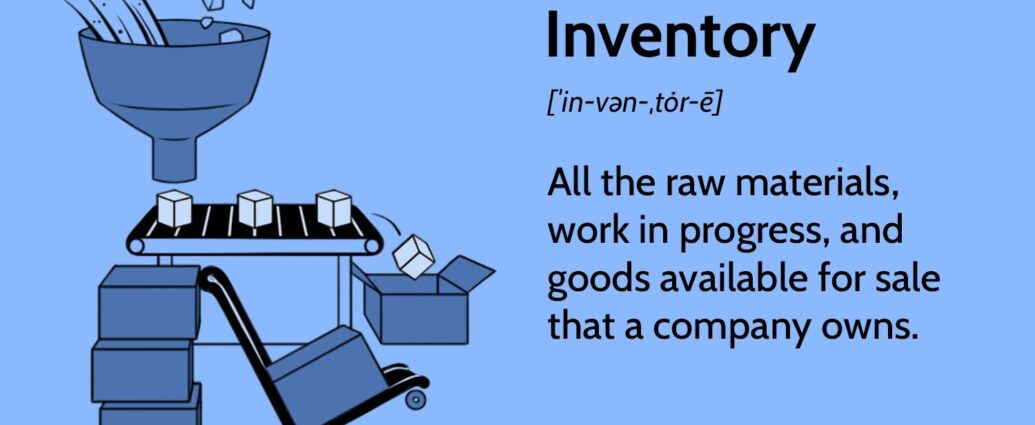
What Is Inventory? Definition, Types, and Examples
2026-03-23
This post was originally published here
Only 2 megacap tech names are on Josh Brown’s best stocks list. Why they are in a tough spot
2026-03-23
Josh Brown and Sean Russo break down these two tech giants.
This post was originally published here
TSA lines stretch for hours as Trump deploys ICE agents to US airports
2026-03-23
President claims immigration agents could help manage long lines as TSA agents go unpaid during partial shutdown
Security lines stretched for hours on Monday at US airports where unpaid Transportation Safety Administration (TSA) screening agents refused to report for duty and ICE agents deployed by Donald Trump were reportedly seen in a dozen cities.
The president claimed over the weekend that immigration agents could help manage long lines, but in Atlanta, little immediate impact of their presence could be observed. Meanwhile, airport staff were getting creative trying to herd thousands of discontent passengers.
This post was originally published here


This APA Analyst Is No Longer Bearish; Here Are Top 2 Upgrades For Monday
2026-03-23
Top Wall Street analysts changed their outlook on these top names. For a complete view of all analyst rating changes, including upgrades, downgrades and initiations, please see our analyst ratings page.
- Barclays analyst Betty Jiang upgraded APA Corporation (NASDAQ:APA) from Underweight to Equal-Weight and announced a $35 price target. APA shares closed at $39.11 on Friday. See how other analysts view this stock.
- Wolfe Research analyst Andy Chen upgraded MoonLake Immunotherapeutics (NASDAQ:
This post was originally published here
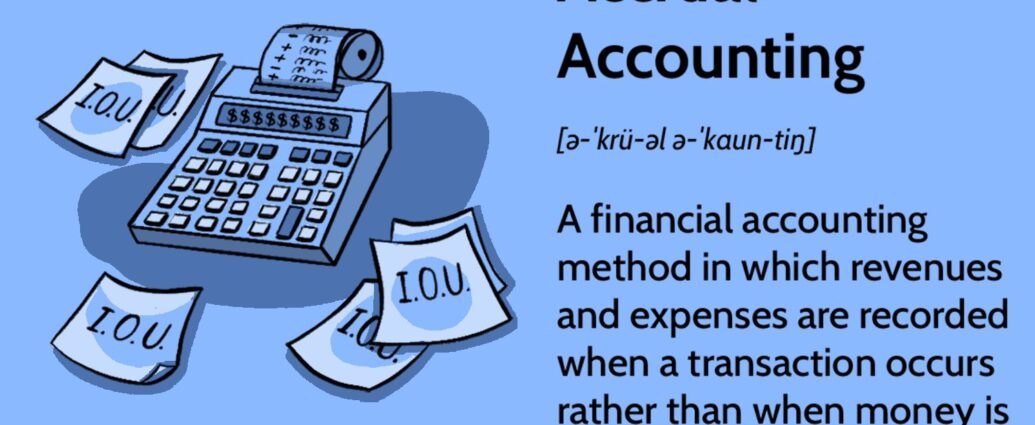
What Is Accrual Accounting, and How Does It Work?
2026-03-23
This post was originally published here




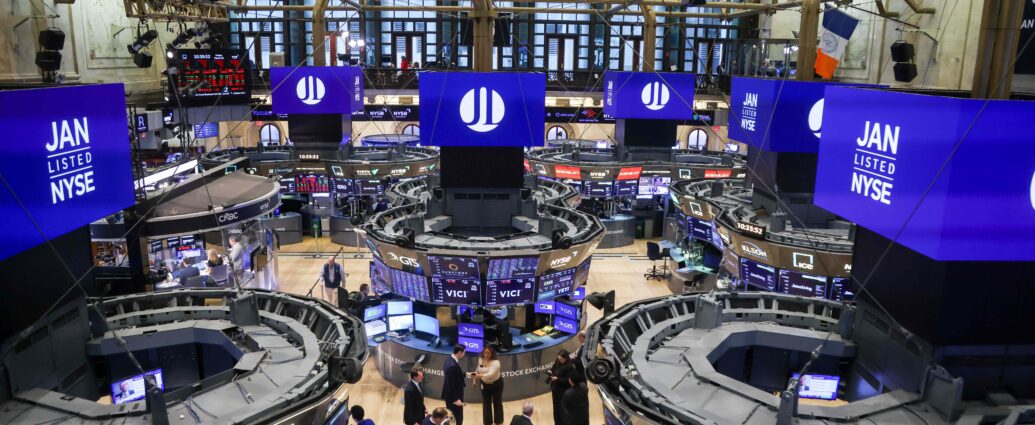
Stock Market Today: Major Indexes Surge, Oil Retreats as Trump Says US to Postpone Threatened Strikes on Iran Power Plants; Dow Soars 1,100 Points
2026-03-23
This post was originally published here
The Treasury just declared the U.S. insolvent. The media missed it
2026-03-23
The U.S. government is insolvent. That’s not hyperbole — it’s the conclusion drawn directly from the Treasury Department’s own consolidated financial statements for fiscal year 2025, released last week to near-total media silence. The numbers: $6.06 trillion in total assets against $47.78 trillion in total liabilities as of September 30, 2025.
Importantly, the $47.78 trillion in reported liabilities does not include the unfunded obligations of social insurance programs like Social Security and Medicare — those are disclosed separately in the off-balance-sheet Statement of Social Insurance (SOSI).
The government’s consolidated balance sheet position, excluding the SOSI, deteriorated by nearly $2.07 trillion between FY 2024 and FY 2025, reaching a staggering negative $41.72 trillion. Total liabilities are now nearly eight times the value of reported assets. The largest drivers were a $2 trillion increase in federal debt and interest payable (now $30.33 trillion) and a $438.8 billion increase in federal employee and veteran benefits payable (now $15.47 trillion).
The Off-Balance-Sheet Iceberg
The off-balance-sheet picture is even more alarming. The 75-year unfunded social insurance obligation surged by $10.1 trillion in a single year, rising from $78.3 trillion in FY 2024 to $88.4 trillion in FY 2025 — driven primarily by a $6.9 trillion jump in projected Medicare Part B shortfalls and a $2.5 trillion increase for Social Security. The Treasury’s Statement of Long-Term Fiscal Projections shows the 75-year fiscal gap widening from 4.3% of GDP in FY 2024 to 4.7% in FY 2025.
If the $88.4 trillion in 75-year off-balance-sheet obligations were added to the $47.8 trillion in official balance sheet liabilities, total federal obligations would now exceed $136.2 trillion — roughly five times U.S. annual GDP.
The Government Accountability Office (GAO) issued a disclaimer of opinion on the U.S. government’s FY 2025 financial statements — the 29th consecutive year it has been unable to determine whether the statements are fairly presented. This is primarily due to serious, ongoing financial management problems at the Department of Defense and weaknesses in accounting for interagency transactions.
What $136 Trillion Looks Like in Your Living Room
Not only has the financial press ignored the consolidated financial statements, but most members of Congress and members of the general public will not read the consolidated financial statements. Documents like the consolidated financial statements are not the kind of thing you want to read before driving. If that’s not bad enough, most people cannot relate to the trillion-dollar numbers in the financial statements. Therefore, it is appropriate to translate them into terms that people will understand.
Most people cannot relate to trillion-dollar figures on a government ledger. So consider this: divide every number by 100 million — drop eight zeros — and federal finances look like a household budget in freefall.
That household earns $52,446 and spends $73,378 — running a $20,932 annual deficit. Its total liabilities and unfunded promises amount to $1,361,788 against just $60,554 in assets, leaving it $1.3 million in the hole. Uncle Sam, by any accounting standard, is insolvent.
Congress has clearly lost control of the nation’s finances. America is facing a fiscal catastrophe. The reckoning, long deferred, is becoming impossible to ignore.
Two Bills That Could Change Everything
Addressing this crisis — and preventing recurrence — requires two specific legislative actions.
First, Congress should pass the bipartisan H.R. 3289 — Fiscal Commission Act, sponsored by Rep. Bill Huizenga (R-MI), Rep. Scott Peters (D-CA), and 41 co-sponsors. Such a commission would force a public reckoning with the facts, the trade-offs, and the hard choices that restoring fiscal health requires.
Second, Congress should call an Article V Convention limited to proposing a fiscal responsibility amendment to the U.S. Constitution. H.Con.Res. 15, sponsored by Rep. Jodey Arrington (R-TX), would do exactly that.
Modeled on Switzerland’s Debt Brake, such an amendment would mandate a balanced budget over the business cycle and prohibit federal spending from growing faster than the U.S. economy.
These two bills represent the most credible path forward — if Congress has the will to act.
The opinions expressed in Fortune.com commentary pieces are solely the views of their authors and do not necessarily reflect the opinions and beliefs of Fortune.
This story was originally featured on Fortune.com
This post was originally published here

‘An attack on the heart of this community’: Golders Green arson leaves Jews feeling besieged
2026-03-23
Local people say incident is just the latest example of hostility that has built up over a long time
The blasts that boomed out in the early hours of Monday in suburban north-west London struck terror into people living in the surrounding streets. Their effects in Golders Green, with its large Jewish population, were still reverberating later that morning.
The antisemitic attack, in which four ambulances run by the Jewish charity Hatzola were set on fire, has left local people afraid. They are afraid because of the incident itself but also because of what they see as a febrile atmosphere of antisemitism in the UK more generally.
This post was originally published here
Two pilots killed after Air Canada jet collision at LaGuardia in New York
2026-03-23
Nine people hospitalised and airport closed after landing plane hits fire truck responding to separate incident
The pilot and co-pilot of an Air Canada Express regional jet have been killed after it collided with a fire truck while landing at New York’s LaGuardia airport, in an incident that closed the airport.
The collision also caused serious injuries, with nine people in the hospital. It happened as a firefighting vehicle was responding to a separate incident, according to the Port Authority of New York and New Jersey, which runs the airport.
The Associated Press contributed reporting
This post was originally published here
Trump’s Fed Ally Miran Still Sees Four Fed Rate Cuts — Markets See Zero
2026-03-23
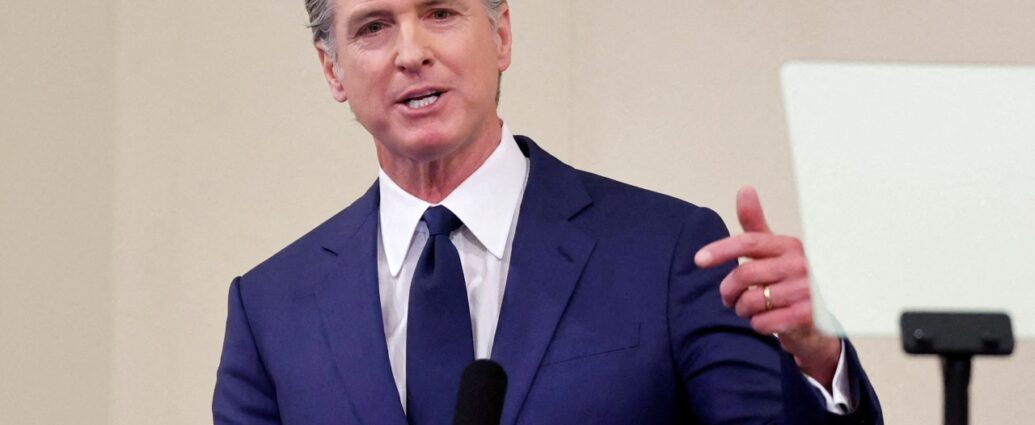
Federal Reserve Governor Stephen Miran — who has dissented in favor of rate cuts at every meeting since his appointment by President Donald Trump last year — said Monday that the Iran-driven oil shock does not alter his policy outlook, arguing the Fed should wait for clearer evidence before assessing the inflation impact of higher energy prices.
“I think that we shouldn’t be making policy based on short-term headlines,” Miran said Monday during a Bloomberg interview.
“It’s just still premature to have a clear view about what this is going to look like as you look 12 months out.”
Should The Fed Look Through An Oil Shock?
Since the start of the war in Iran, oil prices — as tracked by the United States Oil Fund (NYSE:USO) — have rallied nearly 40%, fueling fears of an upcoming inflationary wave.
“These oil shocks have been things that this Fed has looked through for a long time,” Miran said.
“It would be highly unusual for the Fed to start looking through them now.”
Traditional central banking holds that oil shocks hit headline inflation hard but pass through to core inflation only weakly, and that central banks should look through the first-round effects unless two specific conditions emerge: inflation expectations beyond the first year start to rise, or wages begin responding to higher energy prices in a way that creates a self-reinforcing spiral.
Miran said he sees neither.
But financial markets are sending a different signal. Prediction markets now put a 34% probability on zero Fed rate cuts in 2026 — …
Why some job seekers are spending thousands on reverse recruiters: ‘The old rules are gone,’ says one recruiter
2026-03-23
Reverse recruiting flips traditional hiring on its head, and its growth may reveal deeper shifts in the labor market.
This post was originally published here


Billionaire Reddit CEO Steve Huffman says his company will ‘go heavy’ on hiring graduates because ‘they’re so much more AI native’ than older peers
2026-03-23
Face-faced college graduates are watching the American Dream be swept out from underneath them, and entering a gloomy entry-level job market pillaged by AI automation. However, not every company is reeling back hiring young professionals in favor of the tech tools; Reddit CEO Steve Huffman says his business is actually ramping up its recruiting of the digitally-savvy generation.
“The kids coming out of college right now learned how to program with AI,” Huffman said recently during the Sourcery with Molly O’Shea podcast. “They’re really good at it, and so I think we will go heavy on new grads, because they’re so much more AI native.”
While some CEOs marvel over the abilities of chatbots and AI agents, recent graduates are actually ripe for the new tech-driven world of work: the digital natives grew up with the internet, and spent most of their higher education in the ChatGPT era. They’re deeply familiar with the technology and are much more apt to leverage it in their work. And the cofounder of the $26.7 billion social media empire says that propensity is actually a gift: older generations are more resistant to automating their craft, even if it’s for the better.
“It’s the old people like me, it’s like I didn’t want to give [coding] up. I finally did,” the 42-year-old millennial CEO explained. “The younger people don’t have that baggage. They just write with AI.”
Reddit CEO says not hiring Gen Z grads is a costly mistake
Tech workers may be nervous that their AI use will lead to their inevitable displacement—but Huffman was resolute that the tech won’t reduce the company’s engineering headcount.
A Reddit spokesperson also underscored to Fortune that its emerging talent team focuses on recruiting young professionals, also offering new grad opportunities and internships developing essential skills like machine learning, data science, and computer science.
While the tide seems to have shifted away from tech companies recruiting college talent before graduation, Huffman warned that could be a costly mistake. The billionaire says employers need to hire graduates “right out of the gate,” or risk having to pay them 100 times more down the line.
“There are so many reasons to hire new grads,” Huffman continued. “If you don’t hire them as new grads, you will never see them. They will never be on the job market again. They’re too valuable to ever let them be on the job market.”
CEOs say Gen Z workers are essential to innovation and succession
As companies enforce sweeping layoffs and reel back hiring, entry-level graduates are contending with a fierce labor market.
The proportion of unemployed Americans who are first-time workers hit a 37-year high in 2025, hitting a peak of 13.3% in July before tapering down to 10.6% last month. And some CEOs even believe the percent of unemployed college graduates could skyrocket within just a couple of years.
However, there’s a vocal cohort of leaders who won’t leave Gen Z out in the cold—and in fact, their inexperience is sometimes seen as an asset. Echoing Huffman’s point that Gen Z doesn’t come with “baggage,” Ricardo Amper, the founder and CEO of $1.25 billion software company Incode Technologies, believes Gen Z’s naivety is exactly what businesses need to innovate. They aren’t held back by preconceived notions of work or a professional mindset shaped by decades of career experience.
“My belief [is] that coming out with a fresh mind, first principles, is important. That’s why young people are particularly helpful in tech, because they’re less biased,” Amper told Fortune earlier this year. “I think too much knowledge is actually bad in tech: you’re biased.”
Even if employers believe that AI agents can take over the jobs of their young employees, automating their roles could do long-term damage.
Airbnb’s CEO Brian Chesky, has warned against shutting Gen Z professionals out of the workforce because the consequences are stifled innovation and a lack of talent ready to step into millennial’s and Gen Xer’s positions.
“[AI] can do a lot of lower-level, more entry-level position jobs. But if no young people can get jobs, then you have no one in the future to do the highly strategic leadership positions,” Chesky told ABC News in a 2025 interview. “So we need to make room for people early in their careers, even if AI can do the interns’ work.”
Plus, some CEOs like Mark Cuban even argue that it’s an opportune time for Gen Z to seize the moment. Older generations less skilled with AI will need to learn how to implement the tools effectively—and that’s where young digitally-savvy workers step in.
“Learn all you can about AI, but learn more on how to implement them in companies,” Cuban advised young workers during the TBPN podcast in 2025. “Learn to customize a model, walk into a company, show the benefits. That is every single job that’s going to be available for kids coming out of school.”
This story was originally featured on Fortune.com
This post was originally published here
Synopsys shares rally as activist Elliott builds multibillion-dollar stake in chip design firm
2026-03-23
Elliott did not disclose the exact value of its investment, but described Synopsys as “essential to the global chip industry.”
This post was originally published here


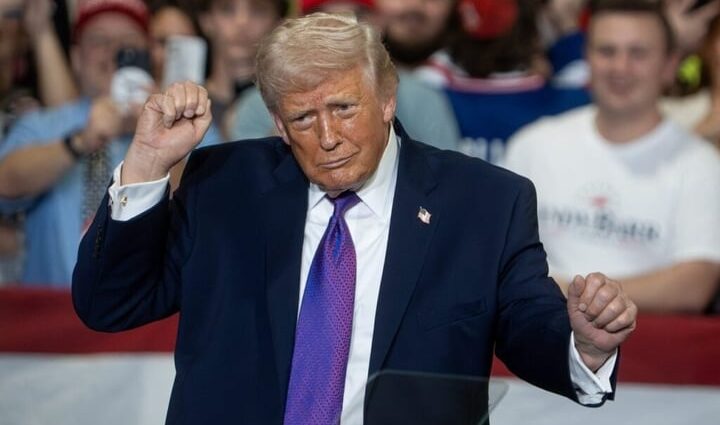
Trump Goes From ‘Obliterate’ Iran To ‘Productive Conversations’ In 36 Hours, Crashing Oil 10% — Suspicious Polymarket Accounts Cash In
2026-03-23
President Donald Trump posted on Truth Social Saturday night that he would “hit and obliterate” Iran’s power plants if the Strait of Hormuz wasn’t reopened within 48 hours.
By Monday morning, he said the U.S. had held “very good and productive conversations” with Iran and postponed all strikes on energy infrastructure for five days.
Iran’s foreign ministry denied any dialogue had taken place, saying Trump’s announcement was designed to lower energy prices.
West Texas Intermediate futures cratered more than 10% to around $89 a barrel. The S&P 500 (NYSE:SPY) ripped nearly 2%.
Gold erased its entire 2026 gain, plunging over 6% to $4,285 in what may be the biggest weekly drop since 1983.
Someone Saw It Coming
Between the threat and the walkback, …
This post was originally published here

Small and Midsize Enterprise (SME): Definition and Types Around the World
2026-03-23
This post was originally published here



Operations Management: What It Is and How It Works
2026-03-23
This post was originally published here

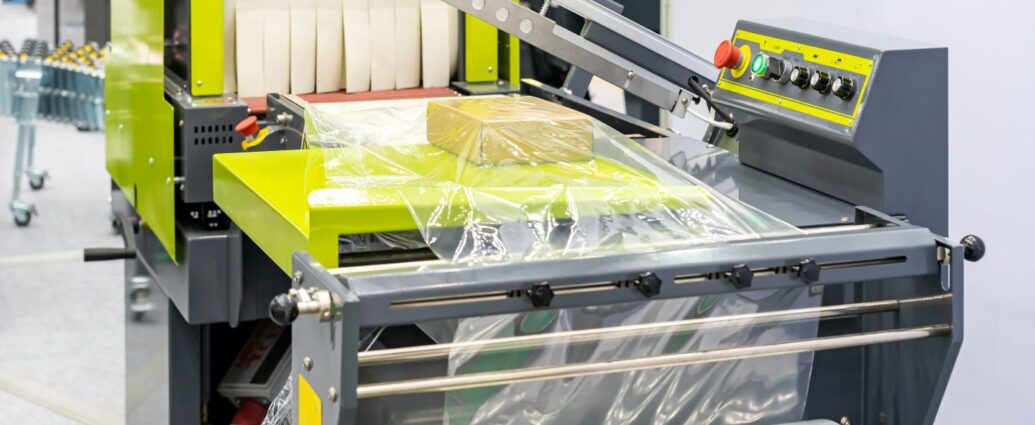

Europe’s ‘staggering’ clean power gains undermined by failure to phase out fuel-burning machines
2026-03-23
The EU’s reluctance to replace petrol cars and gas boilers keep it hooked on foreign fuels, say industry groups
Europe has made “staggering progress” in producing clean power but neglected efforts to phase out fuel-burning machines, the head of an industry group said as the global oil crisis deepens.
Adrian Hiel, director of the Electrification Alliance, said the EU has “radically transformed” its power supply and must now focus on getting “more electricity into the stuff we use every day”.
This post was originally published here
Shooting restricted for six British wild birds to halt population decline
2026-03-23
Woodcocks and pochard, pintail and goldeneye ducks among threatened species protected by proposals
Hunters will be banned from shooting a rare and beautiful duck under new proposals to halt the decline of six British wild birds.
The new rules would restrict the shooting of species including the distinctive woodcock, and the striking pintail, goldeneye and pochard ducks, all of which are classed as under threat and have seen their populations fall sharply in recent years.
This post was originally published here


Tom Lee’s Bitmine Buys 65,000+ ETH For $138M As BMNR Surges 3%
2026-03-23
Bitmine (NYSE:BMNR) purchased 65,341 Ethereum (CRYPTO: ETH) for roughly $138 million last week, accelerating buying for the third consecutive week as Chairman Tom Lee bets ETH is in the final stages of a “mini-crypto winter.”
The Accelerating Pace
Bitmine now holds 4.66 million ETH worth approximately $9.7 billion at $2,072 per token, representing 3.86% of ETH’s circulating supply.
The company increased its weekly purchase pace from an average of 45,000-50,000 tokens to 65,341 last week.
“Our base case is ETH is in the final stages of the ‘mini-crypto winter,’” Lee said, noting that ETH has outperformed equities by 2,450 basis points since the Iran war began, rising 18% while gold fell more than 15%.
Cash reserves stand at $1.1 billion, with total crypto and cash holdings reaching $11 billion including 196 Bitcoin (CRYPTO: BTC), a $200 million stake in Beast Industries, and $95 million in Eightco …

Altman Z-Score: What It Is, Formula, and How to Interpret Results
2026-03-23
This post was originally published here



EasyJet bookings fall because of Iran war as boss warns of air fare rises
2026-03-23
Airline has hedged much of fuel into 2027, avoiding soaring prices, but costs likely to hit passengers by end of summer
The boss of easyJet has said the war in the Middle East has started to hit flight bookings, while the soaring price of oil would probably mean a rise in air fares by the end of the summer.
The chief executive, Kenton Jarvis, said that while the airline had hedged much of its fuel into next year, avoiding soaring kerosene prices, it was “unavoidable” that some of the costs would be passed on in fares.
This post was originally published here


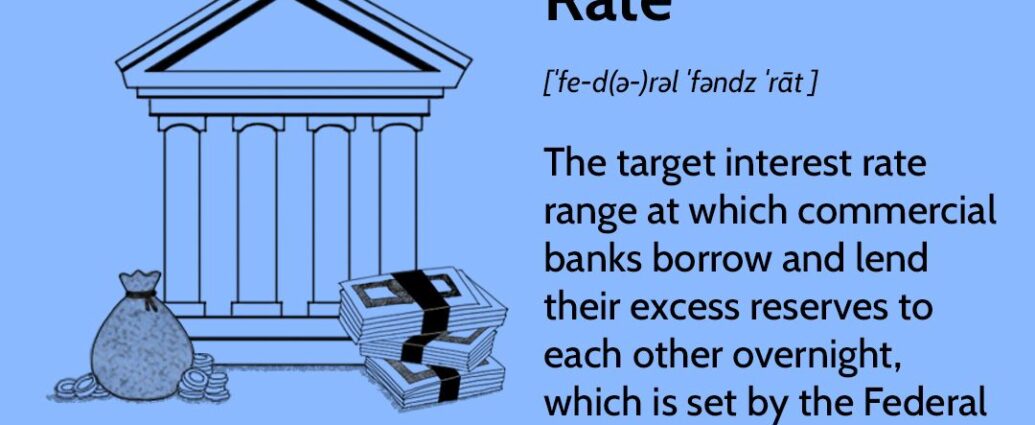
Federal Funds Rate: What It Is, How It’s Determined, and Why It’s Important
2026-03-23
This post was originally published here
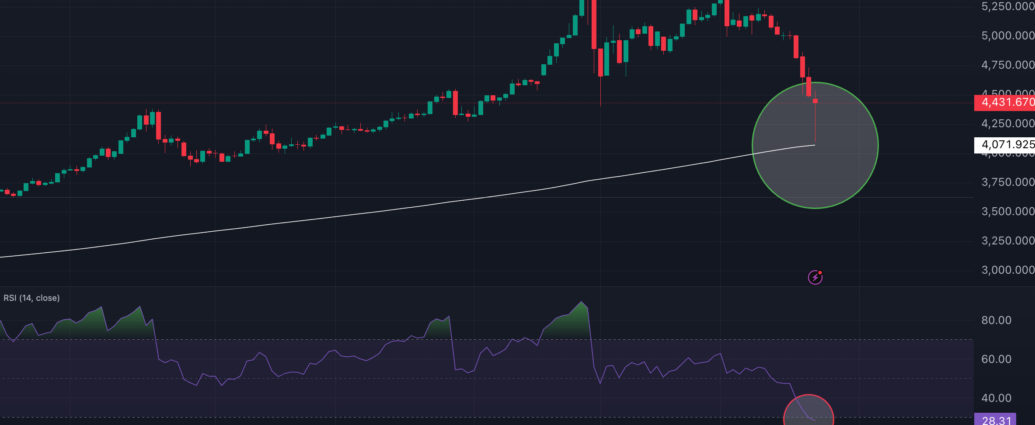
Gold Just Hit Its Most Oversold Level Since 2023 — And It’s Sitting On A Key Technical Lifeline
2026-03-23
Gold’s latest pullback may look like just another leg lower — but under the surface, the technical setup is starting to flash something far more interesting.
Source: TradingView
Momentum has now cracked to its weakest level in over a year, with the RSI (relative strength index) slipping into oversold territory for the first time since 2023.
That kind of reset doesn’t happen often — and when it does, it tends to ripple across instruments like SPDR Gold Shares (NYSE:GLD) and gold miner funds such as VanEck Gold Miners ETF (NYSE:GDX).
This post was originally published here
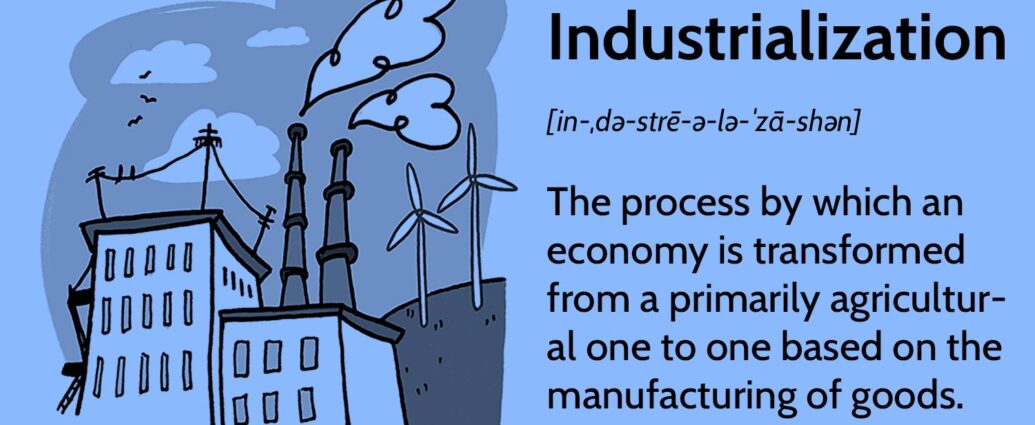
Industrialization: Definition, Examples, and Global Impact on Society
2026-03-23
This post was originally published here
Gold and silver losses ease as Trump postpones Iran energy strikes
2026-03-23
Precious metals recovered some of Monday morning’s heavy losses after President Trump delayed strikes against Iran’s energy facilities.
This post was originally published here
U.S. executives, from Apple to Eli Lilly, revamp their push into the world’s second-largest economy at the China Development Forum
2026-03-23
More than 80 global executives traveled to Beijing this weekend for the state-organized China Development Forum.
This post was originally published here


Operating Lease: How It Works and Differs From a Finance Lease
2026-03-23
This post was originally published here

Aptitude Test: Definition, How It’s Used, Types, and How to Pass
2026-03-23
This post was originally published here
Revenue Recognition: What It Means in Accounting and the 5 Steps
2026-03-23
This post was originally published here



How the Iran Conflict Is Widening, in Maps
2026-03-23

‘Capital is a coward’: A whole new world of elevated risk will stay embedded in global markets, keeping prices higher everywhere
2026-03-23
Markets rebounded Monday after President Donald Trump retreated from his threat to destroy Iranian energy infrastructure and revealed talks with the regime, but the world is unlikely to revert to its prewar status quo, according to a geopolitics expert.
In a Washington Post op-ed on Thursday, Eurasia Group Chairman and former State Department official Cliff Kupchan predicted the Iranian regime, dominated by successive layers of hardliners, will remain hostile to the U.S.
“The end of the war, therefore, is unlikely to usher in a stable peace,” he warned. “That reality means the Strait of Hormuz will become a source of geopolitical risk for a long time—a live wire down the middle of the global economy.”
Even if Tehran eventually negotiates away its uranium enrichment program and longer-range ballistic missiles, it will still have drones, mines and fast attack boats that can threaten tankers, Kupchan pointed out.
And Iran wouldn’t have to use its diminished capabilities very often to scare investors. In fact, despite the U.S. and Israel decimating its military with thousands of airstrikes, the Islamic Revolutionary Guard Corps has been able to keep the Strait of Hormuz largely closed with occasional attacks on ships.
That threat has effectively bottled up about one-fifth of the world’s oil and liquified natural gas, and prices have soared, though they pulled back somewhat on Monday. Still, the genie is already out of the bottle.
“From now on traders will act based on the knowledge that Iran might at any time attack, and that new perception will create new risk premia in critically important sectors,” Kupchan said.
Indeed, Brent crude oil prices are still above $100 a barrel after tumbling 10% Monday. He expects them to trade in the $80 range for several months due to the lingering risk as well as the time needed to restore output. Oil giants like Saudi Arabia and Iraq slashed production as their exports have been throttled by the Hormuz closure.
Likewise for the LNG market, which suffered a major shock last week when Iran struck a top natural gas field in Qatar that will take years to repair. Meanwhile, the Gulf is also a major source of fertilizer, aluminum, and helium, meaning shortages will curb crop yields, industrial output, and semiconductor supplies, respectively.
The new risk environment will cause prices to stay higher globally and further stoke inflation, Kupchan added. At the same time, the United Arab Emirates, Saudi Arabia and Qatar will struggle to rehabilitate their images as safe places to invest, affecting the AI and defense sectors too.
“Capital is a coward, going only where it feels safe,” he noted. “Once unimaginable images of office and hotel towers burning after Iranian strikes will pierce investor sentiment.”
To be sure, the U.S. will likely help allies rebuild after the war and increase regional integration, but the Gulf will need a long time to become a global safe haven for capital again, Kupchan wrote.
There are indications, however, that the Iran war will persist or eventually reignite if there’s a ceasefire. Thousands of Marines are still headed for the Middle East for a potential ground assault on Iran’s main oil-export hub, Kharg Island, or perhaps coastal areas to reopen the Strait of Hormuz.
The UAE also hinted at an increasingly hardened position toward Iran that aligns more closely with the U.S. and Israeli stance.
“Our thinking does not stop at a ceasefire, but rather turns toward solutions that ensure lasting security in the Arabian Gulf, curbing the nuclear threat, missiles, drones, and the bullying of the straits,” Anwar Gargash, a senior UAE diplomat, wrote on X over the weekend. “It is inconceivable that this aggression should turn into a permanent state of threat.”
Even NATO, which nearly collapsed earlier this year as Trump threatened to seize Greenland, will eventually come around to support the Iran war, despite several members rejecting U.S. demands to provide naval escorts, Secretary General Mark Rutte said Sunday.
That’s after Iran launched ballistic missiles at a U.S.-U.K. base 2,500 miles away on the island of Diego Garcia in the Indian Ocean. The attack was unsuccessful, but it demonstrated that Iran’s missiles have much longer range than previously known and could theoretically reach most of Europe.
“If Iran would have the nuclear capability, including, together with the missile capability, it will be a direct threat, a existential threat, to Israel, to the region, to Europe, to the stability in the world,” Rutte told CBS News. “So the president doing this is crucial, and I’ve seen the polling, but I really hope the American people will be with him, because he is doing this to make the whole world safer.”
This story was originally featured on Fortune.com
This post was originally published here
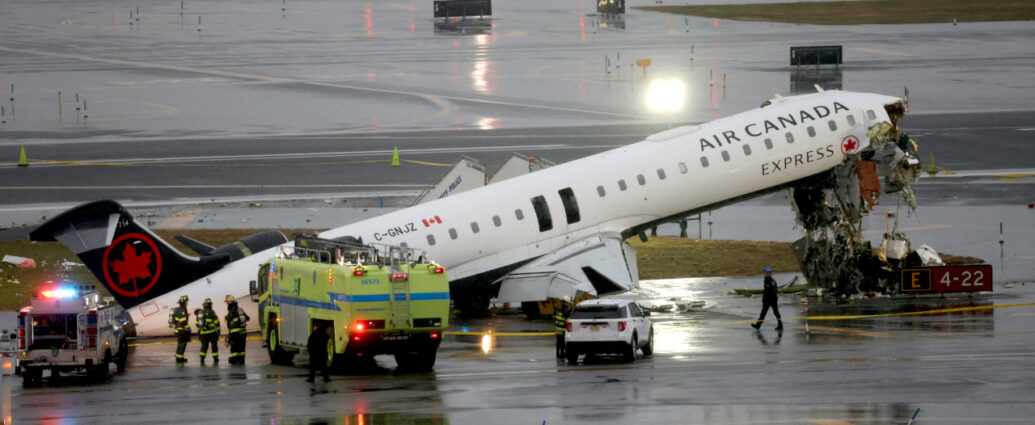
Hundreds of flights canceled, delayed at LaGuardia Airport after Air Canada runway collision
2026-03-23
Flight cancellations and delays are increasing at New York City’s LaGuardia Airport after an Air Canada Express flight collided with a fire truck while landing late Sunday night.
At least 321 flights departing from LaGuardia were canceled as of 4:30 p.m. ET on Monday, while 58 were delayed, according to data from flight tracking website FlightAware.
The tracker also showed at least 314 flights headed to LaGuardia were canceled as of 4:30 p.m. ET on Monday, and 117 were delayed, according to FlightAware.
FlightAware’s figures show that between LaGuardia’s scheduled arrivals and departures, a total of 637 flights have been canceled and 174 delayed.
LAGUARDIA PLANE CRASH AIR TRAFFIC CONTROL AUDIO REVEALS FRANTIC CALL FOR TRUCK TO ‘STOP, STOP, STOP’
The Air Canada Express CRJ-900 jet, operated by the airline’s regional partner Jazz Aviation, was carrying 72 passengers and four crew members and arrived from Montreal. It was designated as Flight 4686 and the collision crushed the nose of the airliner.
Both the pilot and first officer were killed, according to Jazz and the Port Authority of New York and New Jersey, while dozens of injuries were reported.
FRUSTRATED PASSENGERS LASH OUT AT LONG TSA LINES; GOP MESSAGES TO ‘THANK A DEMOCRAT’
Kathryn Garcia, executive director of the Port Authority, said 32 of the 41 injured had been released, while nine remained in the hospital with “serious injuries.”
Garcia said the fire truck was responding to a separate United Airlines aircraft that had declared an emergency when it “reported an issue with odor.”
Air traffic control audio indicated that the fire truck was cleared to cross Runway 4, at taxiway “Delta,” before controllers frantically tried to get the fire truck to stop.
TSA UNION LEADER WARNS AIRPORT SECURITY RISKS WILL ‘GET WORSE’ AS MAJOR TRAVEL EVENTS LOOM
The National Transportation Safety Board (NTSB) said it was deploying a team of experts to investigate the incident, while the Federal Aviation Administration said the airport was expected to remain closed until 2 p.m. ET.
LaGuardia is one of the busiest airports in the country. It served over 30 million annual passengers in 2025, according to the Port Authority of New York and New Jersey, with a wide range of airlines operating at the airport.
GET FOX BUSINESS ON THE GO BY CLICKING HERE
The flight disruptions stemming from the incident at LaGuardia come amid travel disruptions caused by the weeks-long partial government shutdown of the Transportation Security Administration (TSA), which has led to a rise in absences among workers at airport security screening lines.
Reuters contributed to this report.

These stocks should see the biggest rally if oil prices are done surging
2026-03-23
JPMorgan highlights which stocks will gain more than others if Monday’s slide in the price of oil continues.
This post was originally published here

What Is the Multiplier Effect? Formula and Example
2026-03-23
This post was originally published here

What’s Going On With Comcast Stock Monday?
2026-03-23
Comcast Corp. (NASDAQ:CMCSA) shares are gaining on Monday.
Broader Market Tailwinds
Investor sentiment is shifting as geopolitical concerns show signs of stabilization. The Nasdaq is up 1.83% while the S&P 500 has gained 1.72%.
The NVIDIA AI Partnership
Comcast announced a field trial to run AI workloads at the edge of its network last week. The project utilizes NVIDIA Corp. (NASDAQ:NVDA) GPUs.
Elad Nafshi, Chief Network Officer of Comcast, stated, “By bringing NVIDIA GPUs directly into our edge cloud, we can explore what becomes possible when AI inference happens only milliseconds from end users.” The initiative targets 65 million homes and businesses.
Upcoming Earnings Catalyst
Traders are looking ahead to April 23. The company will report quarterly results then. Analysts estimate earnings per share of 85 cents on revenue of $30.45 billion.
Technical Analysis
Comcast is trading 4.8% below its 20-day SMA and 0.4% above its 100-day SMA, a setup that suggests short-term pressure but a tentative attempt to hold the intermediate trend line. Shares are down 20.15% over the past 12 months and are currently positioned closer to their …
This post was originally published here
French local election results give unexpected lift to centrist parties
2026-03-23
Outcome suggests that when mainstream parties cooperate they can still block Marine Le Pen’s far-right National Rally
France’s local elections, closely watched for clues to next year’s presidential vote, have given parties of the centre a welcome and unexpected lift as the far right and radical left fell some way short of their ambitions.
The 35,000 municipal ballots often focus on local survival and their outcomes do not always reflect national voting patterns, but they do show trends in popularity and suggest what kind of alliances can be struck in a fragmented political landscape.
This post was originally published here




Logistics: What It Means and How Businesses Use It
2026-03-23
This post was originally published here
Why Are SoFi Technologies Shares Trading Higher On Monday?
2026-03-23
SoFi Technologies Inc (NASDAQ:SOFI) shares are gaining ground Monday morning. The digital lender is recovering from a volatile week.
Bearish sentiment previously clouded the stock following a critical short-seller report.
Battle With Muddy Waters
SoFi stock faced heavy pressure last week. Muddy Waters Research, led by Carson Block, labeled the company a “financial engineering treadmill.” The firm alleged SoFi’s 2025 adjusted EBITDA was inflated by 90%.
Block suggested the true figure was $103 million. This sharply contradicts the reported $1.05 billion. The report further questioned “Enron-esque” off-balance-sheet structures.
SoFi management fired back on Wednesday. They characterized the claims as a “fundamental lack of understanding” of their business. The company may pursue legal …
This post was originally published here
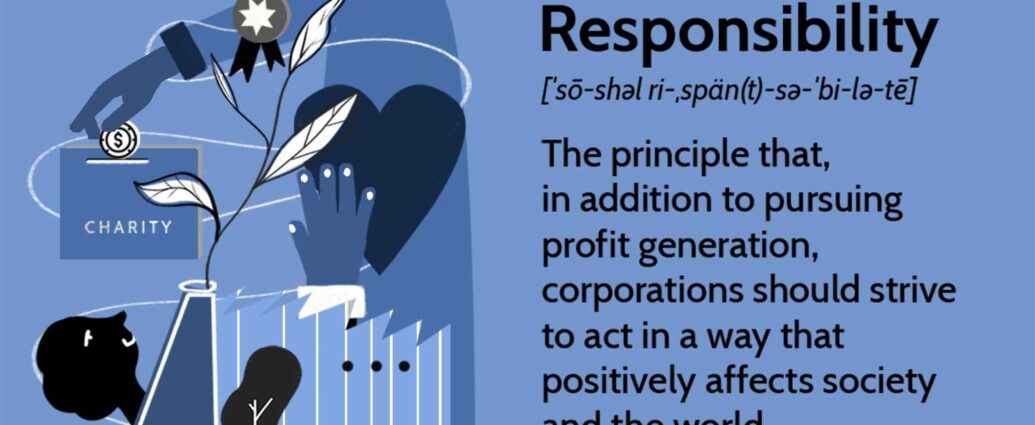
Corporate Social Responsibility: Types, Examples, and Business Impact
2026-03-23
This post was originally published here

Trade Deficit: Definition, When It Occurs, and Examples
2026-03-23
This post was originally published here
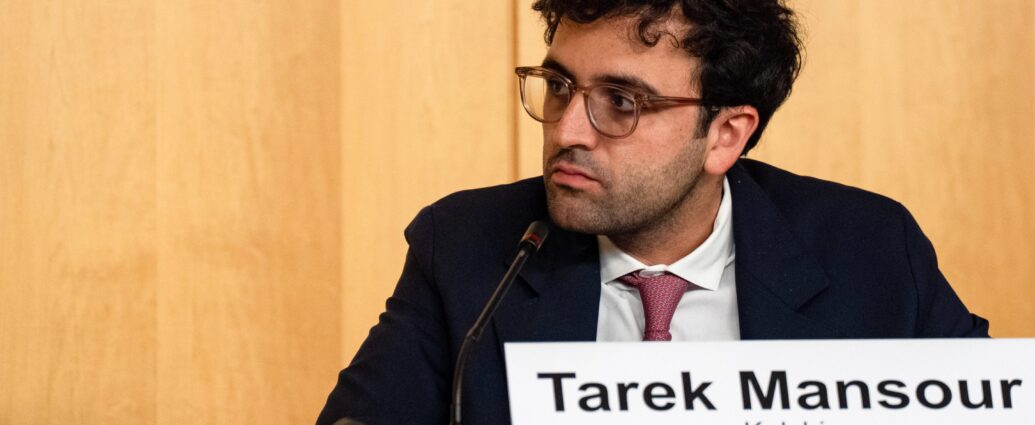
Exclusive: The CEOs of Kalshi and Polymarket are arch rivals—but are investing in the same $35 million prediction market VC fund
2026-03-23
The CEOs of Kalshi and Polymarket are locked in a brutal fight to dominate the white-hot prediction market sector. But, in at least one instance, the two have put competition aside, and each has invested in an upcoming venture firm led by two early Kalshi employees. The fund, named 5c(c) Capital, is raising up to $35 million to invest in prediction market startups, according to a pitch document seen by Fortune.
The new venture firm’s name is a reference to a clause in the piece of legislation that outlined the federal regulation of commodities and derivatives, a category that now includes prediction markets. The fund’s partners are Adhi Rajaprabhakaran, the second trader hired to work at Kalshi’s affiliated market maker, and Noah Zingler-Sternig, Kalshi’s former head of operations.
In addition to Kalshi CEO Tarek Mansour and Polymarket CEO Shayne Coplan, the fund’s early backers are a star-studded slate of venture investors, according to the document. They include the venture giant Marc Andreessen, through the fund Moneta Luna; Micky Malka, the founder of the fintech investor Ribbit Capital; and Kyle Samani, the former managing partner at the crypto VC Multicoin Capital.
Rajaprabhakaran, one of the founding partners of 5c(c) Capital, declined to comment. A spokesperson for Marc Andreessen’s venture firm Andreessen Horowitz declined to comment. Polymarket and Malka didn’t immediately respond to requests for comment.
A Kalshi spokesperson confirmed Mansour’s participation. “Adhi knows that the next few years are critical to build out infra[structure] around prediction markets,” Samani said in a statement, confirming that he backed 5c(c) Capital.
Prediction market frenzy
The ongoing fundraise from the two early Kalshi employees comes as prediction markets have become one of the buzziest sectors in Silicon Valley. Kalshi is raising $1 billion at a $22 billion valuation in a round led by seasoned Silicon Valley investor Coatue Management. And its competitor Polymarket is also eyeing a similar valuation of around $20 billion. The trading platforms let users bet on a diverse array of subjects, from where the prices of Bitcoin or Ethereum will land by the end of the week to which college team will win the NCAA basketball tournament.
Amid investor enthusiasm, state governments have tried to crack down on the rise of prediction markets, especially as Kalshi and Polymarket have opened up their platforms to sports markets. Regulators claim that the two prediction markets are no more than sports gambling locales, which must adhere to strict state laws. Kalshi is facing about 20 federal lawsuits that call into question the platform’s legality. And the Arizona Attorney General filed criminal charges against the startup last week.
Kalshi and Polymarket, whose U.S. trading arm isn’t yet live, have argued that prediction markets are different from sports gambling and that the authority of the federal regulator CFTC to regulate prediction markets supersedes the power of the states.
Despite this fraught legal situation, the pitch document for 5c(c) Capital describes prediction markets as a “generational investment opportunity.” The pair plan to back around 20 companies over the next two years, including market makers in prediction markets, designers of prediction market indices, among other categories.
The venture fund’s first close is within the next month.
This story was originally featured on Fortune.com
This post was originally published here
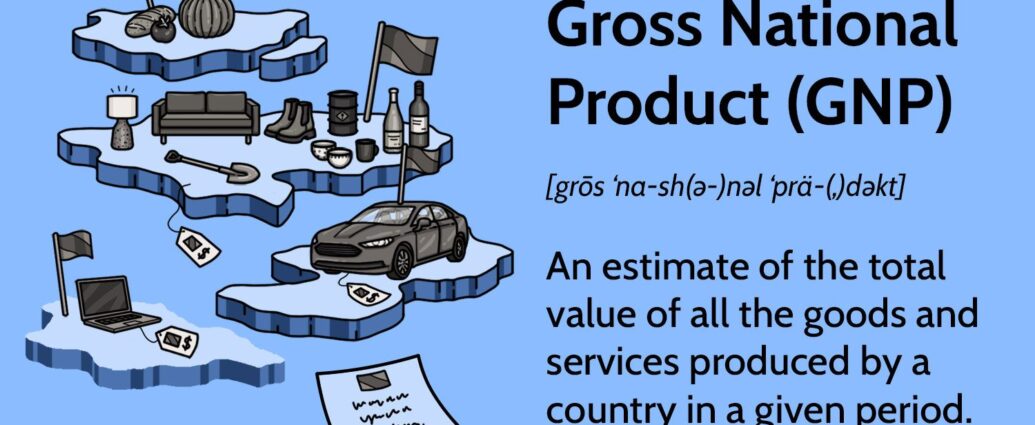
Gross National Product (GNP): Definition and How It’s Used
2026-03-23
This post was originally published here

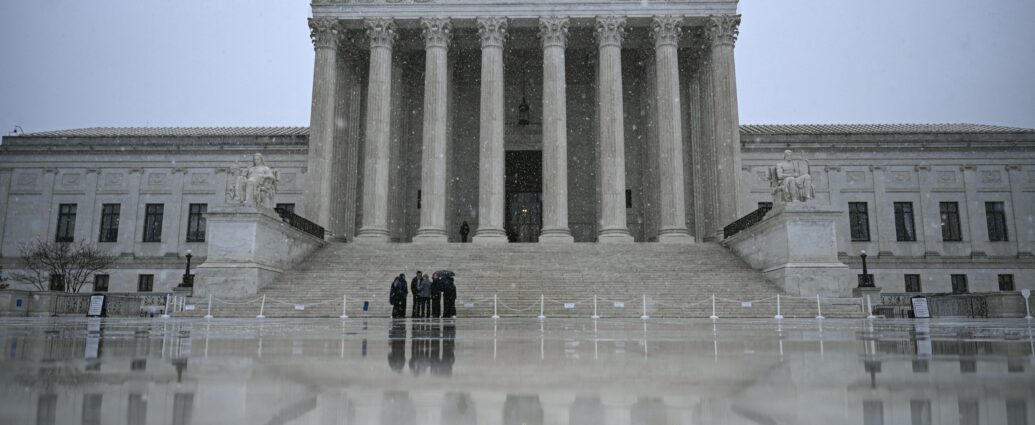
Supreme Court declines to review press freedom case
2026-03-23
At issue was the 2017 arrest in Texas of a journalist who published news stories about a border agent’s public suicide and a car crash.
(Image credit: Brendan Smialowski)

This post was originally published here
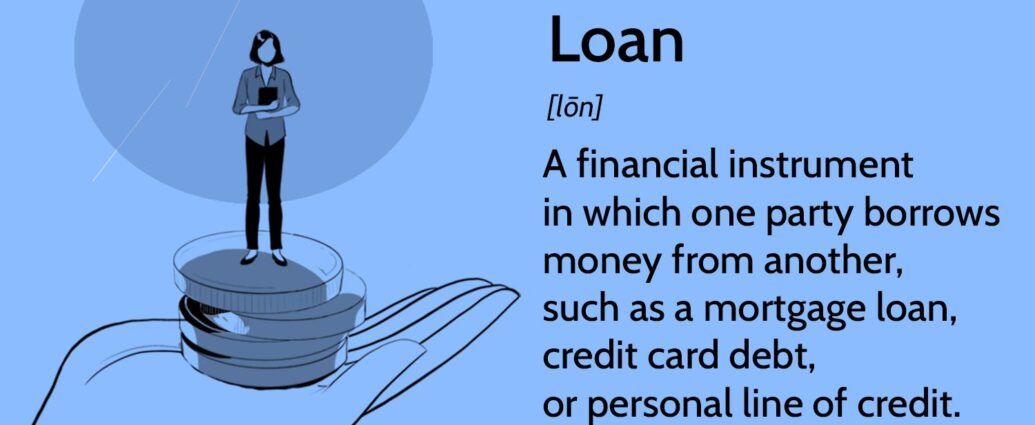
What Is a Loan, How Does It Work, Types, and Tips on Getting One
2026-03-23
This post was originally published here

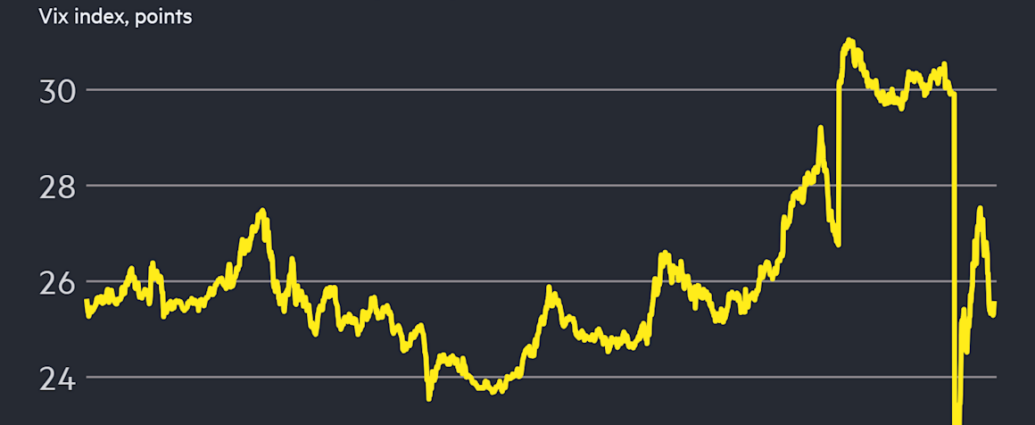
Markets rebound after Donald Trump postpones attack on Iranian energy
2026-03-23
Stocks reverse losses and oil tumbles after US President says there have been ‘constructive’ talks with Tehran
This post was originally published here

ICE deployed to some U.S. airports as long security lines persist during partial shutdown
2026-03-23
The Trump administration said it plans to send ICE officers to help ease airport congestion amid TSA officer absences as they face second missed full paycheck.
This post was originally published here
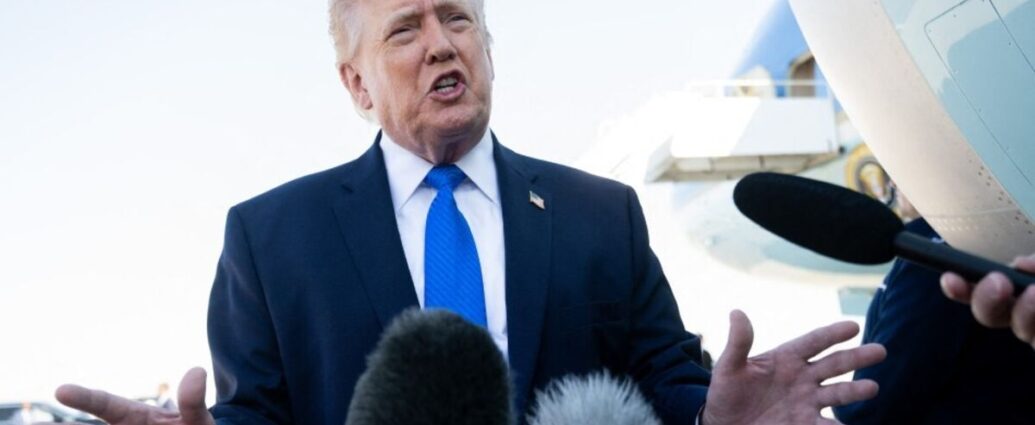


After 25 years of negotiations, the EU finally signs the EU-Mercosur deal, the biggest trade deal in history linking 700 million people
2026-03-23
A landmark free trade deal between the European Union and four South American countries will begin on May 1 after more than a quarter-century of negotiations and new global economic uncertainty unleashed by tariffs, critical mineral controls and the war in Iran.
The European Commission said Monday that the start date for the EU-Mercosur free trade deal was triggered by Brussels receiving a “note verbale” from Paraguay that it had approved the deal, which is a key part of the 27-nation EU’s strategy to slash economic dependencies on China and the United States.
Parliaments in Uruguay, Brazil, Paraguay and Argentina have ratified the deal that links more than 700 million people and accounts for 25% of global gross domestic product. Bolivia, the newest Mercosur member, didn’t participate in negotiations but will be able to join the deal in the coming years.
“The priority now is turning this EU-Mercosur agreement into concrete outcomes, giving EU exporters the platform they need to seize new opportunities for trade, growth and jobs,” said European trade commissioner Maroš Šefčovič.
Fierce opposition by farmers and environmentalists delayed the deal in December. It then hit another snag after EU lawmakers voted to send the deal to the bloc’s judiciary. The EU executive responded by saying it would provisionally enact the deal — effectively sidestepping the European Parliament.
That means trade will begin in May and halt only if the European Court of Justice rules against it.
French President Emmanuel Macron called that move “a bad surprise.” France and Poland had led a campaign to halt or temper the deal with clauses protecting consumers and agricultural producers.
European Commission President Ursula von der Leyen has shrugged off such criticism of a deal she describes as vital for the EU’s survival in a newly disordered world.
“This is about resilience, this is about growth, and Europe shaping its own future,” she told a news conference in February. Recently, she has not taken questions about the issue.
Von der Leyen is in Australia this week for talks aimed at a potential free trade deal, defense cooperation and critical mineral supplies.
This story was originally featured on Fortune.com
This post was originally published here


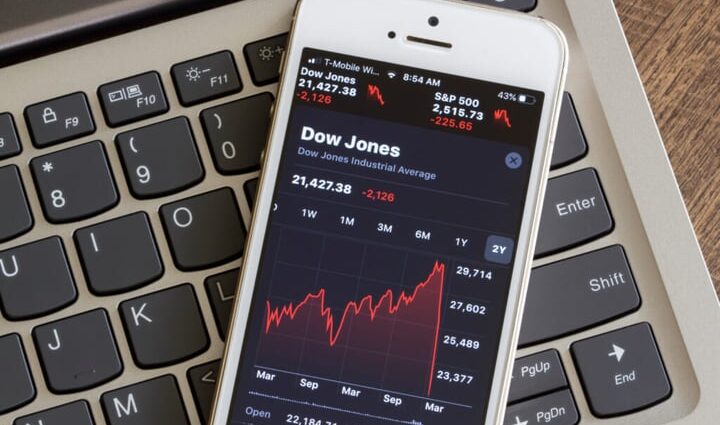
Dow Jumps Over 800 Points; Chicago Fed National Activity Index Declines In February
2026-03-23
U.S. stocks traded higher this morning, with the Dow Jones gaining more than 800 points on Monday.
Following the market opening Monday, the Dow traded up 1.87% to 46,429.56 while the NASDAQ jumped 1.96% to 22,071.52. The S&P 500 also rose, gaining, 1.75% to 6,620.06.
Check This Out: How To Earn $500 A Month From Goldman Sachs Stock Ahead Of Q4 Earnings
Leading and Lagging Sectors
Consumer discretionary shares climbed by 3% on Monday.
In trading on Monday, energy stocks rose by just 0.3%.
Top Headline
The Chicago Fed National Activity Index declined to -0.11 in February versus a revised reading of +0.20 in the previous month.
Equities Trading UP
This post was originally published here
Strategy Buys Just 1,031 Bitcoin After Two Weeks Of $1B+ Purchases: What Changed?
2026-03-23
Strategy (NASDAQ:MSTR) purchased 1,031 Bitcoin (CRYPTO: BTC) for $76.6 million last week, a dramatic slowdown from over $1 billion in purchases during each of the previous two weeks when the company issued STRC preferred shares.
The Slowdown Explained
Strategy funded last week’s purchase entirely through common stock sales rather than STRC preferred shares, marking a return to smaller acquisition sizes typical of periods when the company relies solely on equity offerings.
Total holdings now stand at 762,099 Bitcoin acquired for approximately $57.69 billion, or an average price of $75,694 per coin.
With Bitcoin trading just under $70,000, Strategy’s holdings sit below cost basis.
The previous two weeks saw purchases exceeding $1 billion each as Strategy took advantage of STRC preferred share issuance.
The company acquired 22,337 Bitcoin for $1.57 billion …
Iran war energy crisis equal to 70s twin oil shocks and Ukraine invasion fallout, says IEA chief | First Thing
2026-03-23
Fatih Birol says effects on energy markets from Iran bombings and closure of strait of Hormuz not initially understood by world leaders. Plus, feminist magazine reclaims Charlie Kirk-style campus tours
Good morning.
The global energy crisis caused by the war in Iran is equivalent to the combined force of the twin oil shocks of the 1970s and the fallout from Russia’s invasion of Ukraine, the head of the International Energy Agency has said.
Why is the ex-CIA chief Leon Panetta in the news? He has spoken out about Donald Trump’s attack on Iran, telling the Guardian the US president is “sending a message of weakness” to the world.
What’s the latest in Iran? Its government is threatening to lay mines across entire Gulf if its coasts are attacked.
This is a developing story. Follow our liveblog here.
What happened? The aircraft hit the fire truck while travelling at about 24mph, according to the flight-tracking website Flightradar24. In the moments before the crash, an air traffic controller could be heard giving clearance to a fire vehicle to cross part of the runway, then trying to stop it. The controller can then be heard quickly diverting incoming aircraft from landing.
This post was originally published here
Current Assets: What It Means and How to Calculate It, With Examples
2026-03-23
This post was originally published here
Starmer says ‘every lever’ will be explored to ease rising costs of living from Iran conflict
2026-03-23
PM will chair Cobra meeting with key ministers and Bank of England on Monday, as experts warn of economic shock
Keir Starmer has promised to look at using “every lever that’s available to the government” to help people cope with the impact on the cost of living of the US-Israel war against Iran, as he prepares for an emergency meeting with senior ministers.
The prime minister will chair a meeting of the Cobra committee to discuss possible contingency measures on Monday afternoon, joining Andrew Bailey, the governor of the Bank of England, Rachel Reeves, the chancellor, Ed Miliband, the energy secretary, and Yvette Cooper, the foreign secretary.
This post was originally published here



Business Process Outsourcing (BPO): What It Is, How It Works, and Its Benefits
2026-03-23
This post was originally published here
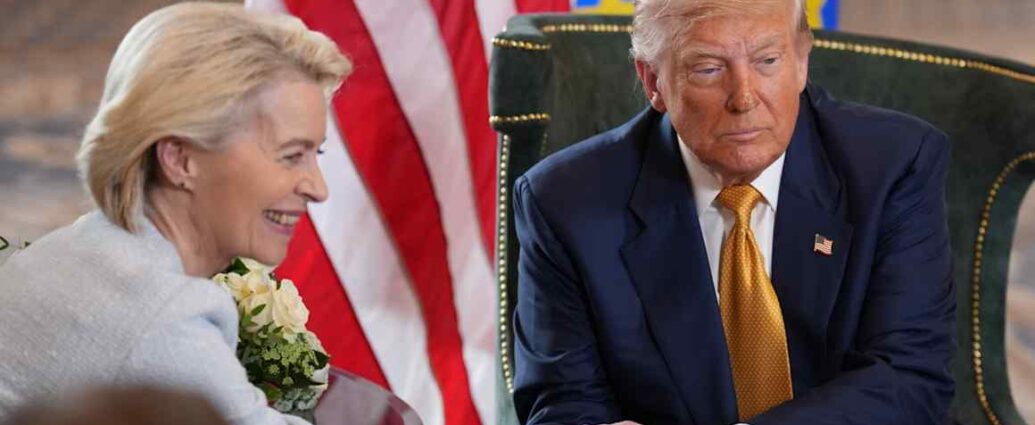
US warns EU to pass trade deal or risk losing ‘favourable’ access to LNG
2026-03-23
European parliament set to vote this week on whether to ratify Turnberry agreement signed last year
This post was originally published here
Trump tells CNBC ‘we are very intent on making a deal’ with Iran
2026-03-23
U.S. President Donald Trump on Monday said he would order the military to postpone strikes on Iran’s power plants and energy infrastructure for five days.
This post was originally published here



Law of Diminishing Marginal Returns: Definition, Example, Use in Economics
2026-03-23
This post was originally published here
BlackRock’s Larry Fink warns against market timing, says missing best days can halve returns
2026-03-23
BlackRock CEO Larry Fink said staying invested through periods of turmoil has historically delivered far stronger returns.
This post was originally published here



Fair Market Value (FMV): Definition and How to Calculate It
2026-03-23
This post was originally published here

Compare Current Jumbo Mortgage Rates Today – March 23, 2026
2026-03-23
This post was originally published here