





Minnesota Wild reporter Jessi Pierce and her three children found dead in house fire, NHL says
Cause of the fire that killed Pierce, who had covered the Minnesota hockey team for a decade, is under investigation
NHL reporter Jessi Pierce and her three children were killed on Saturday in a weekend house fire in Minnesota, the league announced on its sports website Sunday.
Pierce, 37, covered the Minnesota Wild as the correspondent for NHL.com for the past decade.
This post was originally published here
Study links children’s social media use with anxiety and depression in teenage years
Researchers say lack of sleep could be a factor among young people interacting online for more than three hours a day
Children who are on social media for more than three hours a day are more likely to develop depression and anxiety as teenagers, according to research.
Experts said the impact was likely to be linked to a lack of sleep caused by using social media late at night, and that the link to depression was more pronounced in girls.
This post was originally published here
Thousands of care leavers in England ‘locked out’ of work as firms slow to adapt
Survey suggests companies willing to hire care-experienced young people but few have changed recruitment processes
Thousands of young people leaving care in England are being left “locked out” of work by employers who say they are open to hiring but make few changes to adapt, a charity has warned.
Calling on employers to act on their promises, the Drive Forward Foundation said care leavers were almost three times more likely to be out of work than their peers.
This post was originally published here
Student debt eats away home deposit savings to tune of £2,000 a year, says Barclays
Repayments also affect financial stability of nearly half of graduates, according to report by UK bank
People with student loans who are working towards a home deposit save almost £2,000 less per year than those without the debt, according to a new report by Barclays.
The bank also found that 44% of student loan holders claim that repayments limit their ability to build long-term financial stability, while 41% say it prevents them from entering the housing market.
This post was originally published here



Saudi Aramco boss pulls out of major international energy conference due to Iran conflict, source says
Nasser, who has been CEO of the world’s top oil exporter for more than a decade, is usually one of the headline speakers at the conference.
This post was originally published here
Apple CEO praises China partners as Beijing applies pressure
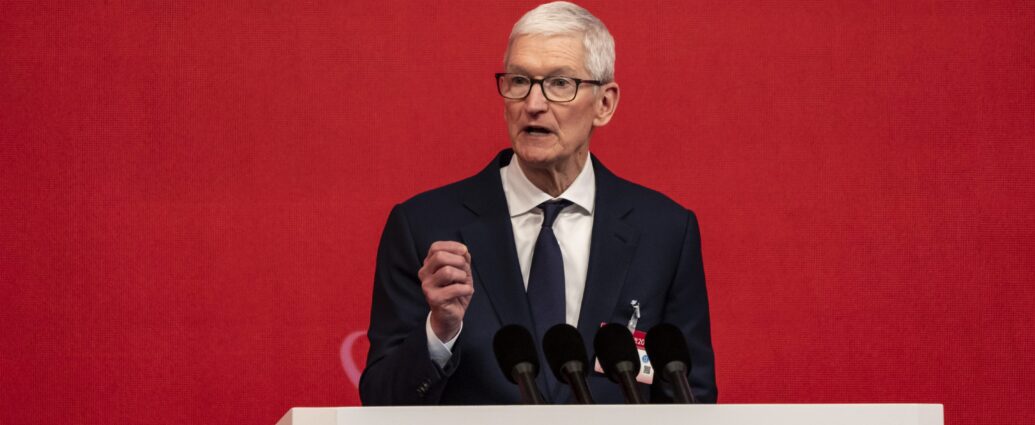
Apple Inc. Chief Executive Officer Tim Cook commended Chinese developers and the company’s partners in the country, days after the ruling party’s flagship newspaper criticized the iPhone maker for monopolistic policies.
Cook, speaking at the China Development Forum in Beijing on Sunday, praised the innovations of Chinese developers and the automation at the country’s manufacturing facilities. He said Apple and China share common goals, including in green development and carbon neutrality.
Apple lowered the fees it collects from app developers in the country earlier this month, a major concession in a hugely lucrative market where the company faced the risk of antitrust intervention by local regulators. Yet after the announcement, the Communist Party’s People’s Daily newspaper called for a further easing of App Store restrictions and urged the firm to fix “monopolistic” practices — highlighting how Apple may continue to face pressure from Beijing.
“Innovation, green development and education are not separate properties — they are deeply connected,” Cook said. “They represent the vision of progress that we at Apple share, and we are committed to collaborating with our partners across China and with all of you to make that vision a reality.”
An “excellently talented developer community” helps to increase prosperity and opportunity across China, and innovation is transforming its manufacturing sector, Cook said. While the US tech giant builds most of its devices in China, it has diversified its assembly to regions such as Vietnam and India.
“There is a Chinese proverb I love — ‘a single tree does not make a forest,’” Cook said. “Together, I believe we can plant that forest.”
Read More: Apple CEO Visits China Amid Growing Pressure on App Store Policy
Apple has seen its sales growth in China rebound in recent months, helped by demand for the latest iPhone edition and consumers switching from rival devices. Revenue from the country jumped 38% to $25.5 billion in the holiday quarter that ended in December.
Speaking at the same event as Cook, Chinese Premier Li Qiang cited Apple as an example of a company with a highly diversified supply chain.
“If we politicize industrial issues and deliberately weaponize the supply chain, we will only increase costs for various companies and weaken development momentum,” Li said. “China is willing to strengthen communication and cooperation with all parties to jointly maintain the stability and security of the global supply chain.”
This story was originally featured on Fortune.com
This post was originally published here


Markets wait for Trump and Iran to follow through on Hormuz threats that carry potentially catastrophic results
Wall Street is bracing for a Monday deadline that President Donald Trump set for Iran to reopen the Strait of Hormuz while the global economy reels from an energy crisis that shows little signs of abating.
Futures tied to the Dow Jones industrial average fell 30 points, or 0.07%. S&P 500 futures were down 0.15%, and Nasdaq futures lost 0.18%.
U.S. oil futures dipped 0.6% to at $97.64 a barrel. The national average gasoline price reached $3.94 a gallon on Sunday, up more than $1 over the past month, according to AAA.
The yield on the 10-year Treasury ticked down less than 1 basis point to 4.386%. The U.S. dollar was up 0.09% against the euro and was down 0.04% against the yen.
On Saturday evening in the U.S., Trump gave Tehran 48 hours to comply with his demand or else face the destruction of power plants, potentially escalating his war to civilian infrastructure.
Iran responded to the ultimatum by warning that such an attack would result in its forces similarly targeting vital infrastructure, including desalination plants that provide much of the region’s fresh water.
Trump’s AI and crypto czar, David Sacks, raised alarms earlier this month about this exact path of escalation as he called on the president to declare victory and “get out” of Iran.
“If you see that type of destruction continue, you could literally render the Gulf almost uninhabitable,” he said in an episode of the All-In podcast on March 13. “I mean you’re not going to have enough water for 100 million people, and human beings just cannot survive very long without water. So that would be a truly catastrophic scenario, and we’re talking about destroying the Gulf states economically and then also from a humanitarian perspective.”
Both sides showed no signs of backing down and further upped the ante militarily. Trump is sending three more amphibious assault ships and 2,500 additional Marines to the Mideast, joining a separate Marine Expeditionary Unit already headed there. There are already more than 50,000 U.S. troops in the region.
Meanwhile, Iran launched ballistic missiles at a U.S.-U.K. base 2,500 miles away on the island of Diego Garcia in the Indian Ocean. The attack was unsuccessful, but it demonstrated that Iran’s missiles have much longer range than previously known and could theoretically reach most of Europe.
On Sunday, NATO Secretary General Mark Rutte backed the Iran war and predicted the alliance would eventually come around to support it too, after several members rebuffed Trump’s demand that they provide naval escorts.
“If Iran would have the nuclear capability, including, together with the missile capability, it will be a direct threat, a existential threat, to Israel, to the region, to Europe, to the stability in the world,” Rutte told CBS News. “So the president doing this is crucial, and I’ve seen the polling, but I really hope the American people will be with him, because he is doing this to make the whole world safer.”
In addition to NATO, Trump got more signs of support from the United Arab Emirates, which has suffered from a barrage of Iranian missiles and drones.
Anwar Gargash, a senior UAE diplomat, suggested an increasingly hardened stance toward Iran that aligns more closely with the U.S. and Israeli stance.
“Our thinking does not stop at a ceasefire, but rather turns toward solutions that ensure lasting security in the Arabian Gulf, curbing the nuclear threat, missiles, drones, and the bullying of the straits,” he wrote on X. “It is inconceivable that this aggression should turn into a permanent state of threat.”
With no evidence of any talks aimed at halting the conflict, the thousands of Marines headed to the Mideast could be involved in a climactic battle to reopen the Strait of Hormuz and crush Iran’s ability to weaponize it again.
Still, some have called for a less dangerous option, namely a naval blockade of Iran’s oil exports meant to pressure the regime to open the strait.
“The US can implode Iran’s economy by shutting down its oil exports,” Robin Brooks, senior fellow at the Brookings Institution, wrote in a Substack on March 13. “That might open up the Strait of Hormuz a lot faster than anything else. Time to implode Iran’s economy and give the Ayatollahs a taste of their own medicine.”
This story was originally featured on Fortune.com
This post was originally published here
A Netflix cooking show is changing how people travel — and restaurants are seeing bookings jump 303%
Asia’s food tourism scene attempts to angle itself between gourmet and authentic street food. Netflix show “Culinary Class Wars” replicates this contradiction.
This post was originally published here




Mortgage Debt in 2026: How Does Your Balance Compare to the Average Homeowner?
This post was originally published here
Not just buying ‘things’: Why China’s emotional economy is on the rise
Amid a prolonged economic slowdown, one segment of the world’s second-largest economy is growing quicker than the rest: China’s so-called emotional economy.
This post was originally published here




Ministers confirm locations for seven new towns in England
Programme is being billed as the most ambitious housebuilding project in England for half a century
Ministers have confirmed the locations for seven new towns, which include under-developed inner-city land, a historic village and an existing new town.
The programme is being billed by the housing and communities department as the most ambitious housebuilding project in England for half a century, with the planned construction of between 15,000 and 40,000 homes in each new town.
This post was originally published here
Here are 4 big things we’re watching in the stock market this week
The Iran war and rising oil prices will remain front and center.
This post was originally published here
Here are 4 big things we’re watching in the stock market this week
The Iran war and rising oil prices will remain front and center.



Car Loan Interest Deduction Limits Explained: What You Need To Know Before You Claim
This post was originally published here







Human Capital vs. Physical Capital: Understanding Their Differences
This post was originally published here

Pricier vet care: Fewer visits but still many $11,000 surgeries
It’s exceedingly expensive to own a pet, prompting owners to delay veterinary visits or reconsider adopting one in the first place. Yet, animal health companies’ earnings keep growing.
That’s down to the unwavering love between owners and their pets.
While some owners might extend the time between their pets’ annual wellness visits to save money, they’ll shell out when their darling is truly sick or hurt, and that care is often the most expensive — and lucrative.
Last year, Matthew Joseph, a 41-year-old New Yorker, spent $11,000 on lifesaving spleen surgery for his now 14-year-old pooch Frankie. “The amount that we spend on Frankie, you could probably buy a Hyundai, or finance one at least.”
Animal diagnostic testing and pharmaceutical companies like IDEXX Laboratories, Inc., Zoetis Inc. and Elanco Animal Health Inc., along with pet store companies like Petco Health & Wellness Co. and Chewy, Inc. are reaping the benefits.
Pet-care costs have been rising faster than overall inflation. The consumer price index for all urban consumers increased 2.4% in February from a year earlier, while pet services — including veterinary care — jumped 5.1%, according to data from the Bureau of Labor Statistics.
Total vet visits declined 3% in the fourth quarter of last year, marking the 16th straight quarter of declines, Bloomberg Intelligence analyst Ann-Hunter van Kirk wrote in a note, adding there’s only low correlation with the performance of pharmaceutical pet companies. Last month, vet visits fell 1.7% year-over-year, according to data provided by Vetsource.
“People in a down economy, they may not be taking their pet to the vet quite as often as they need to, but they also still know the main things that they need to do — those maintenance therapies — and they’re still doing that,” van Kirk said in an interview.
Pet owners are still spending, Zoetis Chief Financial Officer Wetteny Joseph said at the Leerink Global Healthcare Conference on March 9, specifically for visits that incur “higher prices” such as emergency hospital visits.
Essential Visits Only
Andi Lichtenfeld – who, like most owners, doesn’t have pet insurance – only takes her two dogs, three-year-olds Marilyn and Wayne, to the vet for emergencies, or when they don’t seem like themselves. The 37-year-old says this is similar to how she treats herself; if she’s sick, she goes to the doctor. For their vaccines, Lichtenfeld takes them to Petco.
Petco shares surged 35% on March 12 after the company’s forecast beat estimates, although its revenue is still pressured as it works to turn around operations.
IDEXX’s long-term growth should be fueled by “heightened spending by younger consumers and increased pet life expectancy that requires more expensive care,” according to BI’s van Kirk.
“A lot of these companies don’t expect the macro dynamic to change in 2026,” Jefferies analyst Keith Devas said, but “we saw over the last 18 months that the vet visit trends are not very correlated to these companies’ results.”
The lack of correlation between declining vet visits and related companies’ earnings speaks to the growing humanization of our furry friends.
As pets have moved “from the yard to the kitchen into the bedroom,” owners’ bonds deepen and their willingness to spend increases, said Harold Herzog, professor emeritus at Western Carolina University, who studies the psychology behind human-animal interactions.
Treating pets like family has accelerated as more people delay or forgo having children due to cost or personal choice, said Ingrid Tague, a professor at the University of Denver who has written a book about pets in British history. “The more we treat them as people, the more we get caught up in that same kind of consumerist cycle that we have for ourselves.”
For example, pet food used to just be kibble and canned meat, but now includes foods humans could salivate over — ribeyes, salmon fillets and flamboyant multicolored cakes fit for a child’s birthday party.
That explains why many pet owners are willing to stomach rising costs.
“I would never use the word expensive because to me the ROI is better than anything else I would spend,” Joseph said, noting Frankie’s “unconditional love and companionship.”
This story was originally featured on Fortune.com
This post was originally published here

‘Project Hail Mary’ becomes Amazon’s highest-grossing film debut
Project Hail Mary, from Amazon.com Inc.’s Metro-Goldwyn-Mayer studio, was the No. 1 film at the US and Canadian box office this weekend with $80.5 million worth of tickets, scoring the highest grossing debut of any movie this year.
The film’s performance in its opening weekend surpassed Creed III as the best for an Amazon title since the company acquired MGM for $8.5 billion in 2022. Industry tracker Boxoffice Pro had forecast sales of at least $70 million. More than a fifth of Project Hail Mary‘s box office came from Imax Corp. screens.
Since closing the MGM deal, which handed Amazon control of film franchises including James Bond and The Pink Panther, the e-commerce conglomerate has pledged to release more than a dozen pictures in cinemas annually before making them available on its Prime Video streaming service.
Project Hail Mary, directed by Phil Lord and Christopher Miller, is adapted from the novel of the same name by Andy Weir. It follows the adventure of biologist-turned-teacher-turned-astronaut Ryland Grace, played by Ryan Gosling, who wakes up with amnesia aboard a spacecraft.
The film achieved critical acclaim, and its commercial performance ends a string of low box-office hauls for Amazon this year on titles such as Mercy and Crime 101.
Amazon, which hired former Warner Bros. Discovery Inc. executives Courtenay Valenti and Sue Kroll to run its film studio and lead its marketing, is less dependent on the success of its theatrical releases than traditional Hollywood distributors. It uses cinemas primarily as a means to recoup some production and marketing costs before feeding the titles to its Prime user base, which is largely formed of online shoppers.
Amazon’s commitment to theaters helps support chains such as AMC Entertainment Holdings Inc. and Regal Cineworld Group that are seeking more films from Hollywood. Last year, Amazon announced that it would be working with Denis Villeneuve, the director of the Dune trilogy, on a new Bond film.
The domestic box office is up 15.2% so far this year compared with the same period in 2025 thanks to releases including Hoppers from Walt Disney Co.’s Pixar subsidiary and Scream 7 from Paramount Skydance Corp.’s film studio.
Before Project Hail Mary, the best debut of 2026 was Scream 7. The movie, released in February, has since sold $193.8 million worth of cinema tickets, becoming the highest grossing picture in the horror franchise’s history.
The debut of Hoppers earlier in March was also the best for an original Pixar film in a decade.
Amazon’s next big-budget release in theaters this year is Masters of the Universe in June, based on the franchise controlled by toymaker Mattel Inc.
This story was originally featured on Fortune.com
This post was originally published here


Musk says Tesla, SpaceX, xAI chip project to kick off in Texas
Elon Musk said his Terafab project — a grand plan to eventually manufacture his own chips for robotics, artificial intelligence and space data centers — will be built in Austin and jointly run by Tesla and SpaceX.
Musk, the chief executive officer of both companies, said he will start off with an “advanced technology fab” in Austin that will have all of the equipment necessary to make chips of any kind, and test them. Musk, who has no background in semiconductor production and a history of over-promising on goals and timelines, had said before that the company will start with a smaller scale fab before moving to a bigger one.
Musk has said the semiconductor industry is moving too slow to keep up with the supply of chips he expects to need, even as the industry increases output.
“That rate is much less than we’d like,” Musk said. “We either build the Terafab or we don’t have the chips, and we need the chips, so we build the Terafab.” Musk’s project would call for one day supporting a terawatt of computing power per year, the amount he expects the companies to eventually use as he ramps up his investments in AI and robotics.
Musk detailed some specific plans, including producing chips that can support 100 to 200 gigawatts a year of computing power on Earth, and chips that can support a terawatt in space, but gave no timelines for the facility or its output.
Musk has said previously that the facility would produce 2 nanometer chips. The project appears to be planned for an area near Tesla’s existing Austin headquarters and gigafactory, based on a photo shown during the presentation.
Read More: Why the AI Boom Will Make Phones, Cars, Devices More Expensive
Many executives have expressed anxiety about a shortage of chips — particularly memory chips — during the race to build computing power for AI. But it’s rare to try building them. Bringing semiconductor facilities online typically takes tens of billions dollars and requires the purchase of complex machines from multiple providers. Factories can take years to become fully operational.
Musk made the announcement in a downtown Austin venue to an audience that included Texas Governor Greg Abbott. If it eventually succeeds, the project could help elevate Texas’ status as a chipmaking hub. Tesla already has an agreement with Samsung facility near Austin on upcoming chips. The EV company also has existing suppliers, including Taiwan Semiconductor Manufacturing Co. and Micron Technology Inc. that Musk says are also not able to meet all the company’s needs as Tesla pivots its focus to robotics, autonomous driving and AI.
The facility is expected to make two types of chips, one of which will be optimized for edge and inference, primarily for his vehicle, robotaxi and Optimus humanoid robots. The other will be a high-power chip, designed for space that could be used by SpaceX and xAI. SpaceX acquired xAI in February, with the latter operating as a wholly owned subsidiary. Musk said he expects xAI to use the vast majority of the chips.
Read More: Will Putting AI Data Centers in Space Actually Work?
During the presentation, Musk also unveiled a speculative rendering of a future “mini” AI data center satellite, one piece of a much larger satellite system that he wants SpaceX to build to do complex computing in space. In January, SpaceX requested a license from the Federal Communications Commission to launch one million data center satellites into orbit around Earth.
Musk said that the mini satellite he revealed would have the capacity for 100 kilowatts of power.
“We expect future satellites to probably go to the megawatt range,” Musk said.
Raising money to build and launch AI data centers in space is one of the driving forces behind SpaceX’s planned IPO later this year. SpaceX is expected to raise as much as $50 billion in a record-setting IPO this summer which could value it at more than $1.75 trillion, Bloomberg News reported earlier.
Read More: SpaceX Weighs Confidential IPO Filing as Soon as March
The presentation also included some of Musk’s loftier ambitions. He showed an animation of how SpaceX could potentially launch satellites from the surface of the moon, and reiterated his vision for a future filled with “amazing abundance” — something he has been touting in recent months.
“The future I want to see: I want us to live long enough to see the mass driver on the moon,” Musk said, referring to the contraption that would launch satellites from the lunar surface, “because that’s going to be incredibly epic.”
The facility announcement comes as Tesla increasingly works with xAI and SpaceX on artificial intelligence projects. Tesla has already been working with xAI on a project called Digital Optimus or Macrohard, and Tesla also sells its megapack batteries to xAI. Tesla has also integrated xAI’s chatbot, Grok, into some of its vehicles. In January, Tesla announced a $2 billion investment into xAI and a framework agreement for the companies to work together.
This story was originally featured on Fortune.com
This post was originally published here


Poste Italiane launches €10.8bn bid for Telecom Italia
This post was originally published here

Forest ‘bathing’ can reduce stress, improve mood, lower blood pressure and boost the immune system. Here’s how it’s done
For two hours, Claire Jefferies wanted to get away from the war in Iran and the rising gas prices and just commune with nature. And, so, she treated herself to a little forest bathing.
“When I’m here, it’s almost like a protective bubble around me,” the human resources director said amid oaks and flowering magnolias at the J.C. Raulston Arboretum in Raleigh, North Carolina. “It provides a shield.”
The Sunday morning session was led by certified forest therapy guide Shawn Ramsey. Jingling a tiny brass bell, she called her dozen or so charges to gather for meditation, breathing exercises and to commune with nature.
“I invite you to really spend the next 10 minutes just exploring this area,” she said, her own eyes closed. “Really focusing on your breath, on your footsteps. All the natural sounds around you. Maybe the manmade sounds, too. Thinking about the forest’s natural rhythm and how are part of that here in this urban, forested environment.”
Based on the Japanese wellness practice of Shinrin-yoku, the activity has been known to reduce stress, improve mood, lower blood pressure and boost the immune system.
Although the arboretum is in a busy section of a growing city, Ramsey said the benefits of tuning out and getting in touch with nature are the same. She led the group of about a dozen through the various gardens, having them crush conifer twigs between their fingers and smell them, or just touch trees.
“You know, in this day and age, there’s a lot of stress and anxiety and chaos,” she said. “And people are searching for ways to kind of cope with that.”
Transportation safety researcher Alan Mintz came with a friend. He had to be reminded to leave the talk of news at the entrance.
“I think it’s important for people to take the opportunity to exist in natural spaces, both to unwind and relax, so that it can be easier to interact with other people,” he said as he stood in the dappled light filtering through the trees. “And to take a moment to appreciate beautiful things. That way, hopefully, they can carry that forward and have more of an appreciation for other people and other cultures that they might be less experienced with.”
Jefferies had to remind a friend to stop talking about news as they walked beneath the gently waving canopy.,
“That focus back into spending time in nature and the healing power of that, and just remembering that we’re part of something bigger, that we’re all connected,” said the mother of a 9-year-old son. “And that what we do in our actions that we take really matter to the rest of the world. And so there’s no better place to see that than here, where you can see all of the interconnectedness and the ways that this plant life naturally supports one another. Doesn’t take more than they need.”
This story was originally featured on Fortune.com
This post was originally published here





California sheriff running for governor seizes more than a half million ballots from 2025 election
A California sheriff running for governor has seized more than half a million ballots cast in a November special election from county election officials, saying he’s investigating a ballot count discrepancy.
County elections officials have disputed the claims by Riverside County Sheriff Chad Bianco, a Republican. California Attorney General Rob Bonta, a Democrat, called Bianco’s move unprecedented and says it is designed to sow distrust in elections.
Bianco held a news conference Friday saying his office had launched the investigation after receiving a complaint from a local citizens group about the ballot count from a November 2025 special election on redistricting.
In the special election, voters approved a measure to redraw congressional district lines to favor Democrats in the upcoming midterm election. The measure passed in the county by a margin of more than 80,000 votes.
Bianco seized ballots in Riverside County, the inland California county of 2.5 million people where he has twice been elected sheriff. He called the effort “a fact-finding mission.”
“This investigation is simple: Physically count the ballots and compare that result with the total votes reported,” he said Friday.
Bianco is one of two prominent Republicans running for governor in a crowded June primary that includes more than half a dozen Democrats. California runs a top-two primary system that puts all candidates on the same ballot, regardless of party, and sends the two candidates who get the most voters onto the November general election.
Leading California Democrats are worried that their party has so many candidates, they risk splitting the vote and sending Bianco and Steve Hilton, another top Republican, onto the general election. That would be a stunning outcome in the heavily Democratic state.
Bianco said the investigation had “absolutely nothing to do” with his campaign for governor.
“I have a duty to investigate alleged crime in Riverside County,” he said.
The effort came as President Donald Trump has repeatedly disputed the results of the 2020 election, citing unsubstantiated instances of fraud. His administration recently seized ballots and other documents from an election office in Georgia. Some Republicans have mirrored Trump’s rhetoric on voting in their states.
Bonta has repeatedly sent letters to Bianco’s office over the last two months saying his staff is not qualified to conduct a recount. In one of the letters, Bonta wrote that the ballot seizure was “unacceptable” and “sets a dangerous precedent and will only sow distrust in our elections.”
The letters said Bianco seized nearly 1,000 boxes of ballots and elections materials from the county’s elections office with a warrant in February. At issue, Bianco said, is a discrepancy a citizen group reported between the handwritten ballot intake logs and the number of votes reported to the state.
Bianco said the alleged discrepancy amounted to about 45,800 votes — a difference elections officials have refuted at county meetings, saying the machine count and the final count submitted to the state differed by about 100 votes. They argue the handwritten rolls, which were not relied on to check the count, were being kept by temporary elections workers who had worked long days and may have made mistakes.
Bianco said Friday that the count had started and stopped, but would now resume under the supervision of a special master appointed by a judge.
This story was originally featured on Fortune.com
This post was originally published here

Opinion | The Tragedy of Robert Mueller






Invest Your Child’s Future With $3,000: See What It Could Become by Age 18
This post was originally published here


Senate advances Mullin nomination to lead DHS, paving way for confirmation
If approved on Monday, as expected, Mullin would replace Kristi Noem, whom Trump fired in early March
Donald Trump’s nomination of Republican senator Markwayne Mullin of Oklahoma to be the president’s next head of homeland security on Sunday advanced toward final confirmation after the US Senate voted 54-37 to limit debate on the appointment.
The confirmation vote could come sometime on Monday. If approved, as expected, Mullin would replace Kristi Noem, whom Trump fired from the role of homeland security secretary on 5 March.
This post was originally published here


As Trump eyes climactic battle for Hormuz, he could give Iran a ‘taste of their own medicine’ with a naval blockade that implodes the economy
A potentially decisive showdown to wrest control of the Strait of Hormuz away from Iran is taking shape, with thousands of U.S. Marines headed for the Middle East.
President Donald Trump upped the ante over the weekend by vowing to destroy Iranian power plants if the strait isn’t reopened by Monday. Iran responded by threatening to target critical infrastructure around the Gulf, including desalination plants that provide most of the region’s fresh water.
Trump previously suggested warships would escort oil tankers through the strait, but they would still enter an Iranian “kill box.” So with both sides showing no signs of backing down, Trump may choose to expand his war from a mostly aerial campaign to a ground offensive.
U.S. troops could be deployed to areas along the strait to clear out threats to ships in the narrow waterway, which has been largely been closed by attacks from the Iran’s Islamic Revolutionary Guard Corps.
Marines could also land on Kharg Island, which sits farther north along the Persian Gulf coast and is the hub for 90% of Iran’s oil exports. U.S. control of the island could be used a leverage to pressure Tehran to fully open the Strait of Hormuz.
But experts have pointed to the risk ground troops would face in holding any territory, given that Iran has inflicted significant damage on U.S. military bases and embassies throughout the region as swarms of projectiles overwhelm air defenses.
For now, the U.S. military is continuing to pound the Hormuz area in anticipation of the next move, whatever it will be. Apache helicopters and the vaunted A-10 Thunderbolt aircraft have been targeting what remains of Iran’s naval capabilities, such as fast attack boats, while bombers have also destroyed stockpiles of anti-ship missiles.
Analysts have raised another possibility that could avoid putting boots on the ground: a naval blockade that prevents Iranian oil from reaching its destination.
The idea is to turn the tables on Iran and subject it to the same shock that closing the strait has delivered to its oil-producing neighbors, who have slashed their output while their crude has nowhere to go.
“The US can implode Iran’s economy by shutting down its oil exports,” Robin Brooks, senior fellow at the Brookings Institution, wrote in a Substack on March 13. “That might open up the Strait of Hormuz a lot faster than anything else. Time to implode Iran’s economy and give the Ayatollahs a taste of their own medicine.”
While he has been skeptical that the U.S. Navy has enough ships to escort all the tankers that typically transit the Strait of Hormuz, he said it has the resources to blockade Iran’s oil exports.
Removing more supply from global oil markets should send prices even higher, but Brooks argued crude might do the opposite if a U.S. blockade is seen ending the war quickly.
China, which buys most of Iran’s oil, would be incentivized to lobby Tehran to reopen the strait, and a blockade of Iran’s exports would deprive the regime of hard currency needed to prop up its war machine, he added.
“An embargo of Iranian oil, if the collapse in Iran’s economy is deep enough, could convince markets that the closure of the Strait might end sooner rather than later. As a result, Brent might only spike briefly or even fall,” Brooks wrote in a later post.
Meanwhile, Iran’s control of the strait is allowing it to ship even more oil than it did before the war started. The IRGC has also created an alternate route for ships that requires other countries to obtain permission to cross the strait, with at least one instance of a shipper paying $2 million.
Richard Haass, the former president of the Council on Foreign Relations and a longtime national security official, made a similar argument for a blockade this past week.
He proposed an “Open for All or Closed to All” policy that he believes has the best chance to resolve the Hormuz crisis. The veteran diplomat also dismissed naval escorts and ground troops as too difficult.
Blockading Iran’s oil exports would require setting up a 200-mile-wide defensive line across the Gulf of Oman, using ships, aircraft, and drones, Haass said.
He added that the policy would deny Iran its main source of revenue and impose domestic pressures to accept a ceasefire—or risk a larger challenge to the regime’s authority. Any increase in oil prices would also be modest as a blockade would remove relatively small amounts of Iranian oil from the global market.
“Under such a policy, the United States and its partners would announce that no tanker from Iran would be permitted to reach its destination in another country until Iran backed off its threats to and attacks on commercial vessels transiting the Strait,” Haass explained in a Substack post. “In other words, Iran cannot pick and choose who gets the region’s oil and who does not.”
This story was originally featured on Fortune.com
This post was originally published here
US high school student Cooper Lutkenhaus wins 800m to become youngest ever indoor world champion
-
17-year-old took time off high school to win gold
-
Beats Belgium’s Eliott Crestan by 0.14 seconds
US teenager Cooper Lutkenhaus made history on Sunday when he won gold in the 800m to becomes the youngest ever champion at the world indoor athletics championship.
The 17-year-old, who took time off from his classes at Northwest High School in Texas to compete at the championships, won gold with a time of 1min, 44.24sec, 0.14 seconds ahead of Belgium’s Eliott Crestan. Mohamed Attaoui of Spain won bronze.
This post was originally published here






Opinion | Cuba Tries One More Big Con
Opinion | Chicago’s Minimum-Wage Retreat



Why a Dutch-Inspired Iowa Town Is Becoming a Haven for Retirees Seeking Peace Today
This post was originally published here

Arkansas police arrest Kendra Duggar on child abuse charges
Her husband, 19 Kids and Counting’s Joseph Duggar, was recently charged in separate case with lewd behavior against a child
Arkansas police have arrested Kendra Duggar, the wife of reality TV personality Joseph Duggar, on misdemeanor child abuse charges, in the latest scandal to envelop the family featured on TLC’s 19 Kids and Counting.
Kendra Duggar faces four counts each of endangering the welfare of a minor and second-degree false imprisonment, according to the Washington county sheriff’s office in Arkansas. She has a hearing scheduled for Monday.
This post was originally published here
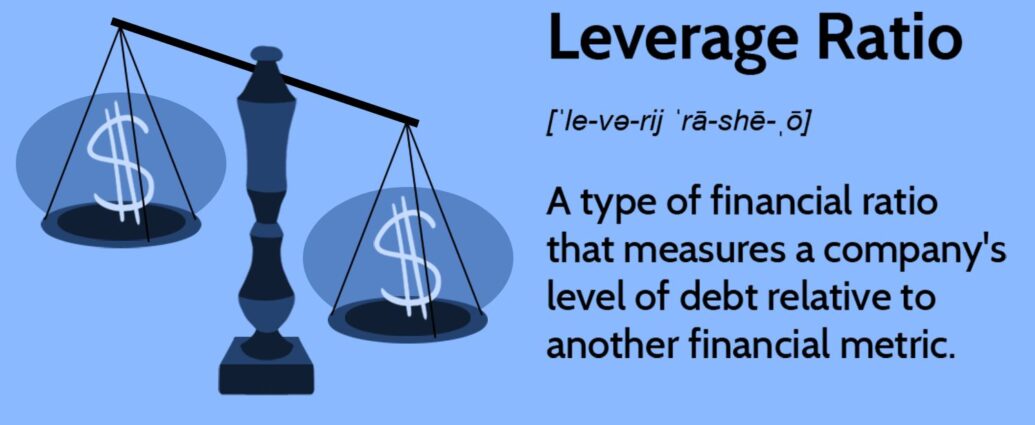
Leverage Ratio: What It Is, What It Tells You, and How to Calculate
This post was originally published here



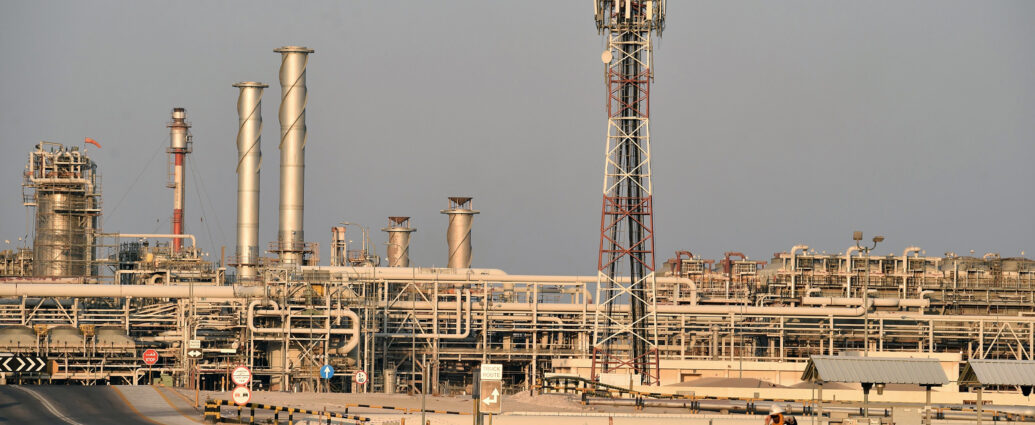
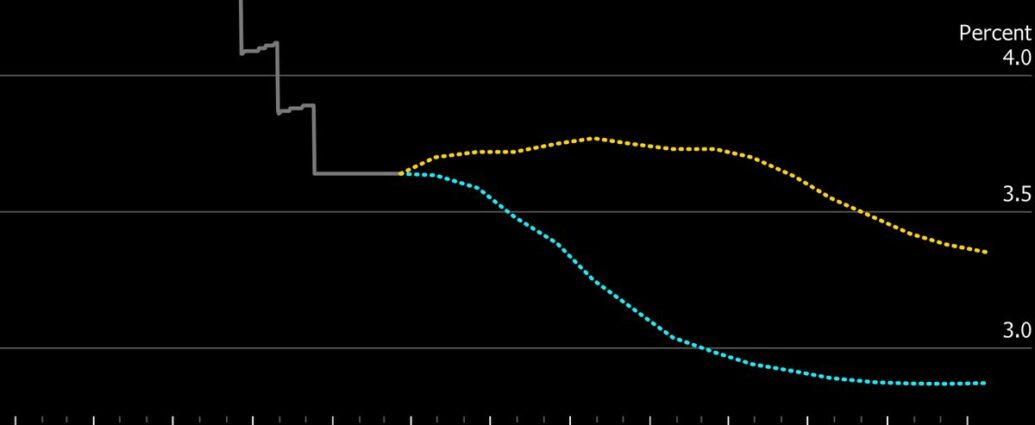


Iran vows to destroy Middle East water and energy facilities if US attacks power plants
Tehran’s response to Trump’s threat signals a potentially dangerous escalation as both sides menace sites relied on by millions
Tehran has said it will “irreversibly destroy” essential infrastructure across the Middle East, including vital water systems, if the US follows through on Donald Trump’s threat to “obliterate” Iran’s power plants unless the strait of Hormuz is fully opened within two days.
As Iranian missiles struck two southern Israeli cities overnight, injuring dozens of people, and Tehran deployed long-range missiles for the first time, the developments signalled a dangerous potential escalation of the war, now in its fourth week, with both sides threatening facilities relied on by millions of people.
This post was originally published here
Moma brand recalls porridge products over possible mice contamination
Customers told not to eat affected pot and sachet products and to return them to place of purchase for refund
Several porridge products in the UK have been recalled over a possible mice contamination at their manufacturing site.
The British porridge and oat drink brand Moma issued a warning for seven versions of its pots and two of its sachets.
This post was originally published here


What Is Capitalism? History, Pros & Cons, vs. Socialism
This post was originally published here


Where Do Americans Aged 65-74 Stand in Wealth Compared to Previous Generations
This post was originally published here





Platykurtic Distributions: Definition, Examples, and Investment Insights
This post was originally published here
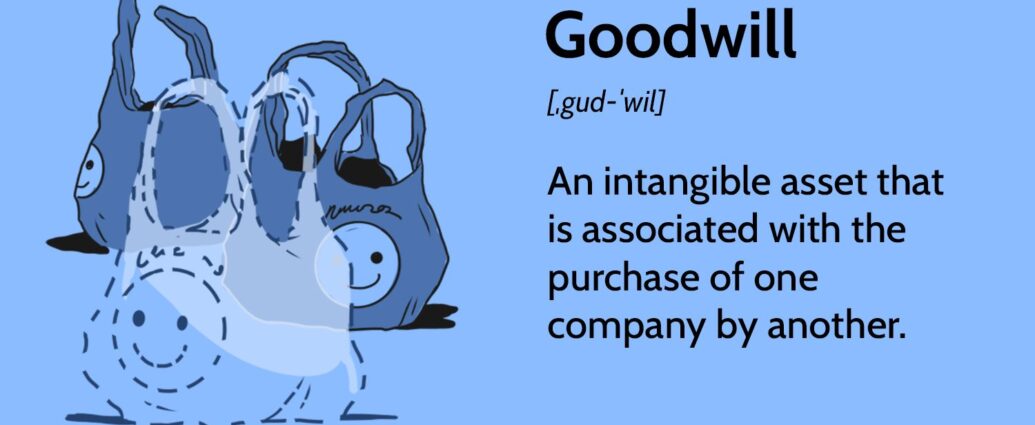
Understanding Goodwill in Accounting: Definition, Calculation, and Impairment
This post was originally published here

Iran war fallout set to filter into economic data
This post was originally published here






British-Iranians in UK report safety concerns to authorities amid Iran war
Accusations of intimidation and harassment within UK diaspora including ‘aggressive’ and ‘coersing’ videos online
Iranians living in the UK have expressed safety concerns to authorities amid heightened tensions within the community linked to the conflict with the US and Israel.
Videos online of individuals allegedly being “aggressive” and “coercing” in London, which is home to one of the UK’s largest Iranian communities, have led to some feeling unsafe, they claim.
This post was originally published here



Gen Z 401(k) Balances Compared to Older Generations Reveal Surprising Trends in Retirement Savings
This post was originally published here

Trump’s border czar says ICE agents could guard exits and check IDs at airport screening areas as long lines plague travelers
Federal immigration agents newly ordered to U.S. airports by President Donald Trump to help relieve security line congestion may guard exit lanes or check passenger IDs as a budget impasse has air travelers frustrated over hourslong waits and screeners angry about missed paychecks.
Trump made clear on Sunday, a day after saying he would use immigration officers for airport security starting Monday unless Democrats agreed on a bill to fund the Department of Homeland Security, that he was going ahead with the plan to assist the Transportation Security Administration.
Hundreds of thousands of homeland security workers, including from the TSA, U.S. Secret Service and Coast Guard, have worked without pay since Congress failed to renew DHS funding last month. Democrats are demanding major changes in the conduct of federal immigration agents and showing no sign of backing down.
White House border czar Tom Homan, named by Trump to lead this effort, has also been meeting with a bipartisan group of senators in recent days over the partial shutdown and while he characterized those sessions as “good conversations,” he said they were “not at a point yet where we’re in total agreement.”
The Senate, convening in a rare weekend session, was expected to advance the nomination of Sen. Markwayne Mullin, R-Okla., to be Trump’s next homeland security secretary. A vote on the confirmation could come as early as late Monday as Mullin has tried to make the casethat he would be a steady hand after the tumultuous tenure of Kristi Noem, Trump’s first DHS secretary.
Meantime, Homan said in Sunday news show interviews that the increased role of U.S. Customs and Immigrations Enforcement at airports — specific duties and numbers — was subject to discussions with the leadership of TSA and ICE “to find out where we can fit in.”
He pledged to have “a plan by the end of today, where we’re sending — what airports we’re starting with and where we’re sending them. … So it’s a work in progress.” The priority, Homan said, was “the large airports where there’s a long wait, like three hours.”
Immigration officers, as an example, could cover exits currently monitored by TSA agents, freeing them to work screening lines.
“ICE agents are assigned at many airports across the country already. They do a lot of investigation, criminal investigation on smuggling at airports,” Homan said, adding that “certainly, a highly trained ICE law enforcement officer can cover an exit and makes sure people don’t go through those exits, entering the airport through the exits. And stuff like that relieves that TSA officer to go to screening and to reduce those lines.”
Another option, he said, was having ICE agents check identification before people enter screenings areas.
“We’re going to be a force multiplier,” Homan said.
While saying to help “wherever we can provide extra security,” Homan said there were limits. “I don’t see an ICE agent looking at an X-ray machine, because we’re not trained in that,” he said.
Trump said in a social media post that on Monday, “ICE will be going to airports to help our wonderful TSA Agents who have stayed on the job” despite the partial government shutdown. He further criticized Democrats.
Travelers at some airports worried about reaching their gates Sunday.
At Atlanta’s Hartsfield-Jackson International Airport, lines wrapped from one end of the airport to the other.
“Everyone just seems to be accepting it for what it is, said 43-year-old Blake Wilbanks, who showed up 2 1/2 hours early for his morning flight to Salt Lake City after reading about the shutdown.
“Hopeful I’m gonna make it,” he said as he waited in a winding security line.
The scene appeared more chaotic at John F. Kennedy International Airport in New York. Large big crowds of anxious travelers piled toward security checkpoints, and TSA staff shouted through megaphones to tell people not to push one another.
For Transportation Secretary Sean Duffy, one concern is the uncertainty that passengers are facing over possible wait times at any airport on any given day.
“Do I have to come an hour and a half early? Do I have to come four hours early? They don’t know until the day of or the afternoon of their flight,” he said. “So if we can alleviate that, again, the president wants to take away that leverage point for Democrats and make travel easier for the American people.”
House Democratic leader Hakeem Jeffries of New York said “the last thing that the American people need are for untrained ICE agents to be deployed at airports all across the country” after criticism about their conduct as part of Trump’s immigration enforcement operations in Minnesota and elsewhere.
Homan appeared on CNN’s “State of the Union” and “Fox News Sunday,” while Duffy was interviewed on ABC’s “This Week” and Jeffries spoke on CNN.
This story was originally featured on Fortune.com
This post was originally published here

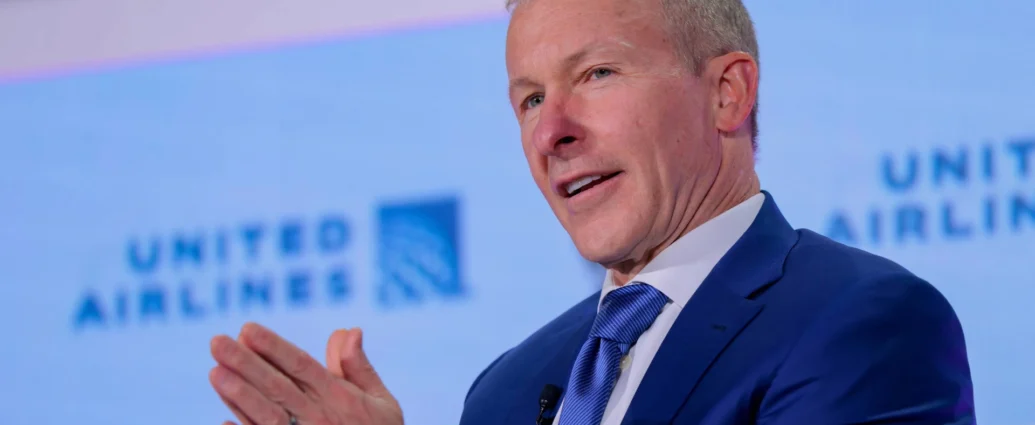




Trump to send immigration enforcement officers to US airports
This post was originally published here

Bill Ackman on Treasury’s Fannie/Freddie Deal: ‘Now That You Have Time, Mr. President, Let’s Stop the Steal!’
Bill Ackman blasted the U.S. Treasury’s handling of Fannie Mae and Freddie Mac on Sunday, arguing the government rewrote the rescue terms through the Net Worth Sweep and diverted all quarterly profits to itself even after the companies had already repaid the bailout. Earlier, in separate remarks calling the trade his top idea for 2026, Ackman outlined a step-by-step path to exit conservatorship that he said could stabilize housing finance and deliver substantial returns for taxpayers.
In a lengthy post on X, Ackman outlined his central argument, saying shareholders are not seeking a “gift” from Washington but are instead asking the government to honor the original senior preferred stock agreement and properly account for the payments.
He contrasted the 2008-era bank rescues, citing a 5% coupon plus warrants equal to 15% of face value, including a $10 billion Treasury investment in Goldman Sachs with warrants on $1.5 billion of common stock, with what he described as harsher terms imposed on the two mortgage firms.
Ackman said Treasury’s support for the pair totaled $193 billion in senior preferred stock, plus $2 billion of commitment fees, carrying a 10% coupon and accompanied by warrants for 79.9% of each company. He added that the companies have paid Treasury $301 billion, which he said includes a blended 11.6% interest rate and full return of the $193 billion principal, plus $25 billion more than the contract required.
Why Ackman’s Push For Fannie Freedom Matters
Ackman argued the accounting outcome is upside down: despite the $301 billion he says has been sent back, …
This post was originally published here
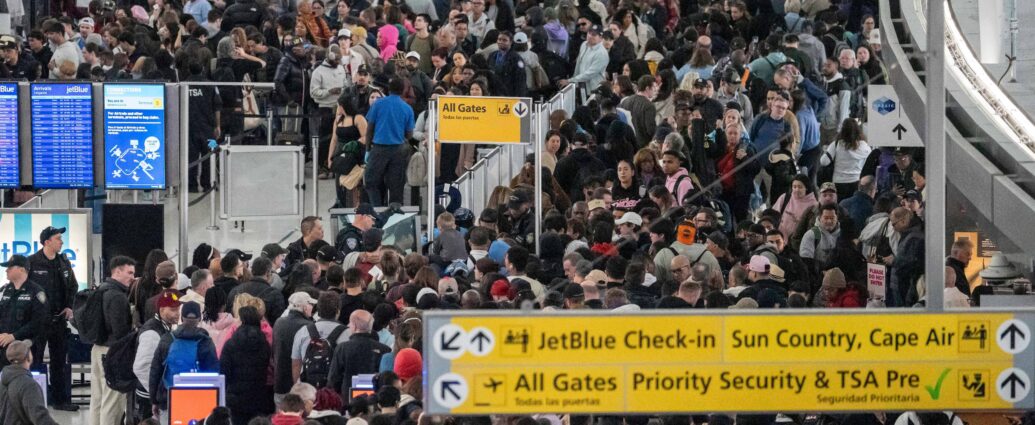
ICE officers set to deploy to airports as delays mount, border czar Homan confirms
Border czar Tom Homan says ICE agents will help the Transportation Security Administration ‘move those lines’ while also enforcing immigration law.
(Image credit: Yuki Iwamura/AP)

This post was originally published here

‘Someone knows something’: Guthrie family pleads for new information
Today show host Savannah Guthrie’s family released new statement asking for help in locating missing mother, 84
Savannah Guthrie and her family have released a new statement about their missing mother, urging Tucson, Arizona, residents to come forward with potential clues about 84-year old’s Nancy Guthrie’s whereabouts.
In their statement on Sunday, the NBC Today show host and her siblings said: “We continue to believe it is Tucsonans, and the greater southern Arizona community, that hold the key to finding resolution in this case. Someone knows something. It’s possible a member of this community has information that they do not even realize is significant.”
This post was originally published here




Natural gas prices in Texas plunge deep into negative territory and producers are burning it off, while the rest of the world braces for shortages
A quirk in global energy markets has created a stark geographic divide between the haves and the have nots, as a glut of natural gas in West Texas has produced negative prices while shortages loom over Europe and Asia amid the U.S. war on Iran.
Over the past week, spot prices at the Waha gas trading hub in the Permian Basin fell as low as -$9.75 per million British thermal units, with expectations that it could hit -$10 when pipeline capacity tightens as operators perform seasonal maintenance later this year, traders told Bloomberg.
That’s because drilling in the prolific Permian Basin yields both oil and natural gas. But while an extensive network of pipelines exists to bring crude to market, there’s less infrastructure to transport natural gas, creating bottlenecks and localized surpluses.
As a result, negative gas prices aren’t that unusual in West Texas, and have been that way more often than not so far this year. But last week saw the lowest weekly average Waha spot price on record.
Since negative prices mean producers have to pay to someone to take the supply off their hands, excess natural gas is often burned off, and so-called flaring events this season are at five-year highs.
Despite the upside-down price environment for West Texas drillers, they aren’t expected to pull back production because oil is lucrative enough to offset losses from gas.
And the recent spike in crude since the U.S.-Israel war on Iran started makes oil even more profitable. West Texas Intermediate has shot up 47% to nearly $100 a barrel in the last three weeks.
By contrast, other parts of the world have seen natural gas prices surge due to disruptions from the Iran war. Tehran has retaliated by largely closing off the Strait of Hormuz, through which 20% of the world’s oil and liquified natural gas flow.
Iran also attacked Qatar’s Ras Laffan Industrial City, damaging two LNG production trains that will impact about 17% of the country’s LNG exports—and repairs may take up to five years.
While most LNG from the Middle East goes to Asia, the supply shock will ripple through global markets as Asia and Europe compete for the remaining gas.
European benchmark gas futures jumped as much as 35% on Thursday to about 70 euros per megawatt hour, or more than $20 per million BTUs, double their prewar levels.
While that’s far short of the record 345 euros per megawatt hour seen in 2022 after Russia invaded Ukraine, the latest price spike comes at a sensitive time for Europe. After heating demand drew down gas inventories during winter, countries must now restock supplies this summer.
In Asia, the situation is so dire that countries have already started looking ways to ration energy, such as implementing four-day workweeks and working from home.
A prolonged closure of the Strait of Hormuz could send LNG spot prices in Asia above $30 per million BTUs in the summer from $26 this spring, analysts told Bloomberg. And if it remains shut in six months, the price could even top $40.
This story was originally featured on Fortune.com
This post was originally published here




Understanding Micro vs. Macro Economics: Key Differences Explained
This post was originally published here

Frustrated passengers lash out at long TSA lines; GOP messages to ‘thank a Democrat’
Airport security delays amid the partial government shutdown have created weekend travel nightmares, with massive TSA lines choking terminals across the country, unpaid officers calling out in growing numbers, and President Donald Trump vowing to send U.S. Immigration and Customs Enforcement (ICE) agents to airports to try to stem the tide of American angst.
“This is insane,” a frustrated passenger told CNN at Atlanta’s Hartsfield-Jackson International, regarded as the busiest airport in the world. “We didn’t think it was going to be this bad.”
“It’s pandemonium out there,” another added in videos posted to social media this weekend.
“We shouldn’t have to deal with this just to get on an airplane,” an X poster raged — a complaint that now captures the mood at airports nationwide as travelers absorb the fallout from Washington’s funding fight.
TSA OFFICIAL WARNS SMALLER AIRPORTS COULD SHUT DOWN AMID DHS FUNDING CRISIS
The chaos is being fueled by deepening TSA staffing shortages during one of the busiest travel stretches of the season due to spring breaks for schools and colleges. Officers are working without pay under the shutdown, and the Department of Homeland Security (DHS) has warned absenteeism, resignations and delays are likely to worsen if the stalemate drags on.
More than 400 TSA workers have already quit since the shutdown began Feb. 14, according to DHS.
The immediate concern for travelers, though, is far more fundamental: getting through the checkpoint before their flight leaves.
DHS SHUTDOWN FORCES AIRPORTS TO TELL TRAVELERS TO ARRIVE 4 HOURS EARLY AMID MASSIVE DELAYS
Among the most eye-popping wait times and airport line scenes reported this weekend:
Atlanta (ATL): Reported wait of 153 minutes early Sunday, with lines described as wrapping around baggage claim.
New Orleans (MSY): Security line reportedly stretched into the parking garage.
Houston (IAH/HOU): Some passengers reportedly faced waits of up to two to three hours, with Hobby Airport hit especially hard by staffing shortages.
JFK (New York): Waits climbed to 75 minutes Sunday morning after being much lower a day earlier.
Newark (EWR): Delays reached 44 minutes at points.
LaGuardia (LGA): Waits rose to around 20 minutes, lower than other major hubs but still up from minimal waits the previous day.
Cincinnati (CVG): Third-party tracker estimates showed waits approaching nearly an hour.
San Juan (SJU): Third-party tracker estimates also showed waits approaching nearly an hour.
AIRPORT CHECKPOINT CLOSURES SPREAD AS TSA WARNS OF SECURITY ‘THREAT,’ MORE TRAVEL DELAYS
The full national picture remains murky because official TSA tools are no longer reliably current.
“Due to the lapse in federal funding, this website will not be actively managed,” a red alert atop the My TSA app reads Sunday. “Click here for more information.”
That link reveals the data has not been updated for more than a month:
AIRLINE CEOS TORCH LAWMAKERS FOR TURNING AIR TRAVEL INTO A ‘POLITICAL FOOTBALL’
“This website was last updated on February 17, 2026 and will not be updated until after funding is enacted. As such, information on this website may not be up to date. Transactions submitted via this website might not be processed and we will not be able to respond to inquiries until after appropriations are enacted.”
DHS has said more than 10% of TSA officers called out on more than half of the past seven days, with some airports averaging absence rates near 20%. At Houston’s William P. Hobby Airport, the rate reportedly climbed above 40% on certain days. Those no-shows have forced lane closures, longer backups and wild swings in wait times from one hour to the next.
For weeks, Republicans in Congress have been sharing the narrative – with photos and videos of TSA security delays – “thank a Democrat.“
Trump even went so far as to call Democrats the “greatest enemy” Americans face, as he continues to declare victory over Iran.
SHUTDOWN SPARKS FLIGHT CHAOS AS TSA LINES SPILL INTO PARKING LOTS WITH 3-HOUR WAITS OR LONGER
“Now with the death of Iran, the greatest enemy America has is the Radical Left, Highly Incompetent, Democrat Party!” Trump wrote Sunday morning on Truth Social.
Trump’s post came after his vow to send ICE agents to overwhelmed TSA security checkpoints at American airports. Coincidentally, Democrats have forced the Senate’s government shutdown for DHS funding over alleged abuse of power by ICE agents in Democrat-run sanctuary cities and states.
But, as Trump and Republicans frequently remind their counterparts, ICE is already fully funded since last summer’s passage of the One Big Beautiful Bill Act, so shutting down DHS appropriations is not accomplishing its stated goals.
HOMELAND SECURITY REACTIVATES MAJOR GLOBAL ENTRY PROGRAM FOR TRAVELERS AMID SHUTDOWN
“On Monday, ICE will be going to airports to help our wonderful TSA Agents who have stayed on the job despite the fact that the Radical Left Democrats, who are only focused on protecting hard line criminals who have entered our Country illegally, are endangering the USA by holding back the money that was long ago agreed to with signed and sealed contracts, and all,” Trump wrote on Truth Social, hailing border czar Tom Homan as the fixer the TSA chaos needs urgently.
“But watch, no matter how great a job ICE does, the Lunatics leading the incompetent Dems will be highly critical of their work. THEY WILL DO A FANTASTIC JOB. The great Tom Homan is in charge!!!”
Democrats blasted the idea, with Sen. Richard Blumenthal, D-Conn., calling it “another reckless, lawless threat to misuse ICE agents,” and Rep. Bennie Thompson, D-Miss., accusing Trump of “manufacturing chaos at airports for political leverage.”
TRUMP SAYS ICE WILL DEPLOY TO AIRPORTS MONDAY TO ASSIST TSA AMID FUNDING STANDOFF
Transportation Secretary Sean Duffy has warned the mess could get much worse, saying current delays may look like “child’s play” if TSA personnel miss another paycheck. Officials have even suggested some airports could face deeper disruptions — or possible closures — if the staffing crisis keeps intensifying.
For now, airports are urging travelers to arrive at least three hours early, even for domestic departures. But for passengers staring down marathon lines, the advice is landing more like a warning than reassurance: the shutdown is no longer just a fight in Washington — it is now a checkpoint crisis playing out in real time at airports across America.
“The current unpredictability is being driven by unpredictable staffing levels, basically, how many TSA officers are showing up for work on any given day,” Sheldon H. Jacobson, , the founder professor of engineering at the University of Illinois Urbana-Champaign and an expert on aviation security and airport security screening, told Business Insider.
THUNE REVEALS REASON DEMOCRATS ARE ‘SCARED’ TO REOPEN DHS
“TSA officers have historically been cross-trained to do many different tasks, so the number that show up is the key factor,” Jacobson said.
ICE agents are not specifically trained for airport security, the domain of TSA, which has 65,000 employees, including 50,000 airport security officers. ICE has played a central role in the Trump administration’s illegal immigration crackdown.
“He seems to have no concept of what the limits are on ICE, and I think America would be absolutely appalled to see ICE agents roaming through airports, just as they’ve been breaking down doors at homes,” Blumenthal told reporters in Washington.
SCHUMER GAMBIT FAILS AS DHS SHUTDOWN HITS 36 DAYS AND AIRPORT LINES GROW
Elon Musk, the world’s richest person, on Saturday offered to cover TSA paychecks “during this funding impasse that is negatively affecting the lives of so many Americans at airports throughout the country.”
Homeland Security historically has shifted resources across agencies during emergency staffing shortages, said Stewart Baker, who was a DHS policy official in President George W. Bush’s administration. Keeping TSA going without paying staff creates “serious trouble” for the agency, Baker said.
Using ICE agents for airport security “may be slower than using trained people, but it would be better than having nobody,” he added.
Reuters contributed to this report.


I ‘raided’ my 401(k) to save my house—and I don’t regret it
This 57-year-old dad touched the untouchable after getting laid off. Turns out he’s a trendsetter.
This post was originally published here















Are SLABS Safe Investments? Analyzing Student Loan Securities
This post was originally published here
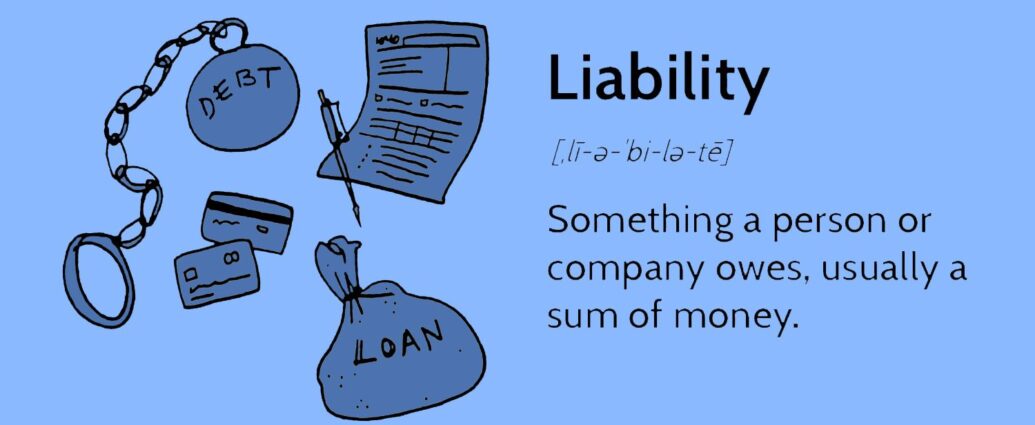
Understanding Liabilities: Definitions, Types, and Key Differences From Assets
This post was originally published here
The economy has a Strait of Hormuz deadline for Trump: Two weeks
Corporate executives are not panicking over a short-term increase in oil prices and Strait of Hormuz closure, but patience may wear thin in a matter of weeks.
This post was originally published here




Kevin O’Leary became a millionaire from a $4.2 billion deal—but said it was ‘very anticlimactic’
Although Kevin O’Leary became a millionaire more than 25 years ago after selling his software company Softkey Products to Mattel for $4.2 billion in 1999, he said he still remembers the exact moment he made it big.
“I get asked all the time, do you remember the moment that you became a millionaire? I do,” the Shark Tank star known as Mr. Wonderful said in a video posted to his LinkedIn in July. “But have to admit, it was very anticlimatic.”
How Kevin O’Leary built his fortune
O’Leary founded Softkey in 1986, and throughout the 1990s his company acquired its biggest competitors like Compton’s New Media, the Learning Co., and Minnesota Educational Computer Co. as well as Creative Wonders, Mindscape, and Broderbund.
This helped Softkey to become the world’s leader in educational, reference, and home productivity software and the second-largest consumer software company in the world at the time with more than $800 million in annual sales, 2,000 employees, and subsidiaries in 15 countries.
While O’Leary’s accomplishment in selling Softkey to Mattel and becoming a millionaire may seem like a major deal, he said it didn’t feel that way.
“Boom, you wake up one day and you say, ‘Wow, this is interesting, but it doesn’t change anything,’” O’Leary said in the LinkedIn video. “That’s the crazy thing. And every millionaire [or] billionaire I talk to says, ‘Yeah, it’s not that big a deal.’”
But that may be O’Leary reflecting on the entirety of his career. In 2003, he became co-investor and director in Storage Now and a founding SPAC investor and director of Stream Global Services in 2007.
He now holds investments in more than 30 private-venture companies, and is the chairman of O’Shares ETF Investments and automated internet-based investment advisory service company Beanstox. And, most famously, he’s been an investor on Shark Tank since the show’s premiere in 2009. O’Leary also owns several companies he founded, including O’Leary Fine Wines and O’Leary Ventures, his private venture-capital investment company.
Why the first million is the hardest
While becoming a millionaire feels like a blip on O’Leary’s radar at this point, he also said in a 2023 video on his YouTube channel that it can feel impossible to make your first million—but meeting a $5 million milestone feels much easier.
“You work your ass off. It’s so hard. What it really takes to do is have the discipline of not buying s*** you don’t need,” O’Leary said in the YouTube video. “To make that first mil is you’ve got to invest it. Market’s going to make you 8%. And then I thought, well my sights are on five [million]. It’s going to be impossible. It wasn’t as hard to get to five [million] as it was to one [million].”
And even though O’Leary has an estimated net worth of about $400 million and pushes pitchers on Shark Tank to really know their numbers and prove their valuation, he insists it’s not about the money to him.
“If you’re very passionate about what you’re doing [you’ll] wake up one morning successful,” O’Leary said in the LinkedIn video. “[The] key is the passion. It’s not the pursuit of greed or money. That doesn’t work. You’re so in love with what you’re doing in business, and you get rewarded for it, particularly if you’re solving a big problem.”
More on Kevin O’Leary:
- Shark Tank’s Kevin O’Leary says if he were 25 today, he’d chase these two booming opportunities in the world of AI
- Shark Tank’s Kevin O’Leary doesn’t care if you work from your basement. He just wants to know if you can ‘execute’
- ‘What a waste of money’: Shark Tank star Kevin O’Leary urges couples to ditch the extravagant wedding and do this instead
This story was originally featured on Fortune.com
This post was originally published here

Interest Rate Risk: Impact on Long- and Short-Term Bonds
This post was originally published here



Trump lauds Viktor Orbán as Europe’s far-right leaders gather in Budapest
US president’s backing comes as Hungary’s PM faces toughest election campaign of 16 years in office
Donald Trump has endorsed Hungary’s prime minister, Viktor Orbán, who faces his toughest electoral challenge next month since taking power 16 years ago, as Europe’s far-right leaders gather for a “grand assembly” in Budapest.
In a video message, the US president told the national-conservative Cpac Hungary conference in the capital on Saturday that Orbàn, who has been trailing in the polls behind a centre-right rival for more than a year, was a “fantastic guy”.
This post was originally published here




Gross Margin vs. Contribution Margin: Key Profitability Metrics
This post was originally published here


Palantir extends reach into British state as it gets access to sensitive FCA data
Exclusive: Allowing US tech firm to analyse intelligence in name of tackling fraud raises fresh concerns over privacy
Palantir is to be granted access to a trove of highly sensitive UK financial regulation data, in a deal that has prompted fresh concerns about the US AI company’s deepening reach into the British state, the Guardian can reveal.
The Financial Conduct Authority (FCA) has awarded Palantir a contract to investigate the watchdog’s internal intelligence data in an effort to help it tackle financial crime, which includes investigating fraud, money laundering and insider trading.
This post was originally published here
Campaign groups rail against Palantir, but the UK contracts keep coming
AI analytics firm has become influential in Whitehall, and FCA deal gives it yet more access to data
Palantir’s latest UK contract takes the AI and data analytics company into the heart of one of Britain’s biggest industries: financial services, which accounts for 9% of the economy.
The Miami-based company embedded its technology in the NHS in 2023, the police in 2024 and the military in 2025. Land and expand, they say in the tech industry. Palantir has followed the script, building contracts worth more than £500m.
This post was originally published here





Economics Defined With Types, Indicators, and Systems
This post was originally published here